Cleaning & Inspections
Buying a South Florida Home with a Fireplace? Questions for the Chimney Inspection

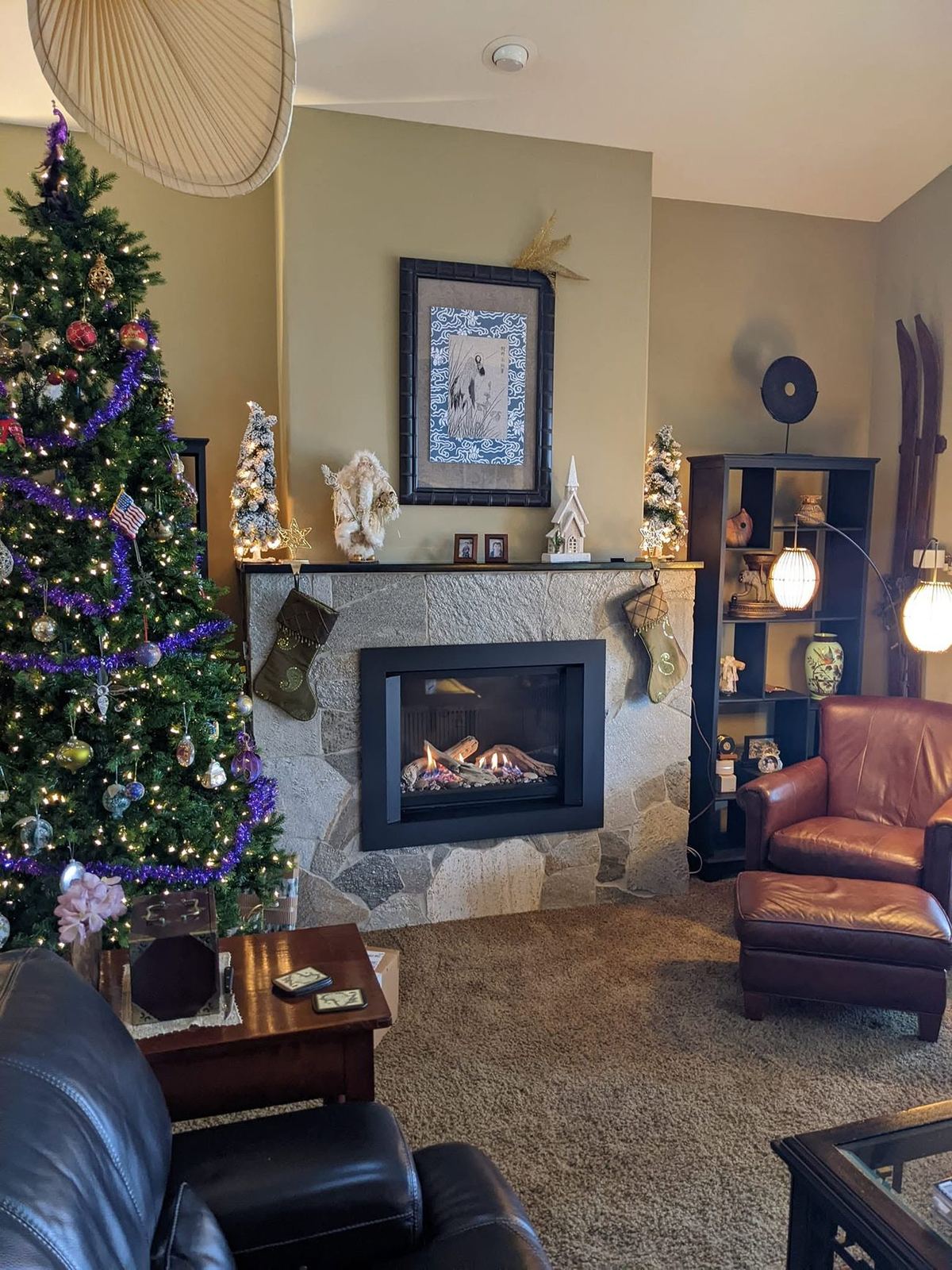
A fireplace can look attractive in a listing photo. Learn what to ask before closing, what an inspection may reveal and how to read its limits.
A listing photo cannot show the flue
A fireplace may be a lovely feature in a home you are considering. It can also be one of the least understood systems in the building. Sellers may not have used it for years. A general home inspection may note that a fireplace exists without examining every relevant part of the chimney or vent. The buyer needs to know exactly what was and was not evaluated.
Start by asking the seller for the type of fireplace, the last inspection or service record, any leak history, and the owner's manual for factory-built or gas equipment. “We never used it” is useful history, but not evidence that it is ready for use. Ask whether a cap, crown, chase cover, damper or gas unit was repaired and whether there are photos or invoices.
A dedicated real-estate chimney inspection can give you a clearer picture before you decide what to do with the fireplace. Discuss timing with your real estate professional so inspection access and any decision fit the contract. This article is not contract advice; it is a guide to better questions about the system.
Identify what you are buying
Is the fireplace masonry and wood-burning? Is it a factory-built unit in a framed chase? Are there gas logs in an old wood-burning opening, or a separate gas appliance with its own vent? The answer changes what must be checked. A buyer should not assume all fireplaces work the same way because the visible opening looks similar.
If the unit has a manufacturer label, ask the inspector to record the model and note whether the accessible installation appears consistent with the equipment. Some older factory-built products can have parts availability limits. A missing manual does not prove a defect, but it may mean more research is needed before operation or repair. A gas connection warrants its own qualified evaluation.
Also ask whether the chimney serves anything besides the visible fireplace. Multiple flues or appliances in one structure can make the exterior look simple while the system underneath is not. A clear report should identify which parts were evaluated for which appliance.
Understand the inspection scope
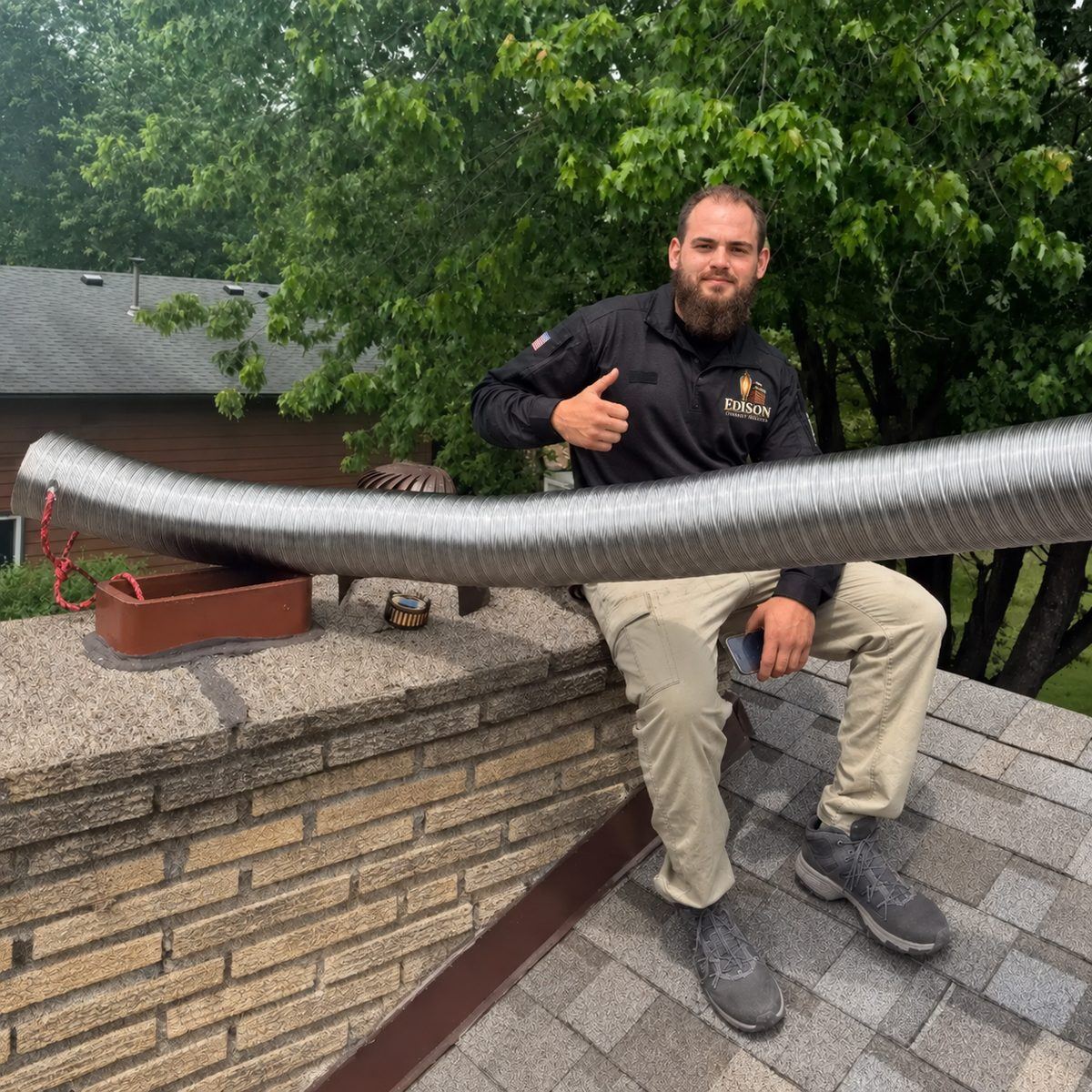
Chimney inspections have different levels depending on the circumstances. A routine inspection of a system with no known change is not the same as a more detailed examination prompted by a property transfer or concern. The Chimney Safety Institute of America provides guidance on these levels. Ask the inspector to describe the scope in ordinary language before the visit.
Does the proposal include accessible interior and exterior areas? Will it examine the flue with a camera where appropriate? Is roof access planned and safe? Are hidden areas excluded? A detailed report should not pretend to see through finished walls. Level 2 chimney inspection may be discussed during a property transfer, but the professional should explain the reason, method and limits for this particular system.
If the property has a condo association or a shared roof, access can be complicated. Find out early who authorizes a roof visit and whether the inspector can reach all relevant components. A report with access limitations may still help, but you need to understand what remains unknown.
Look for water history as well as fire history
In South Florida, rain can affect a chimney or chase even if no one lights the fireplace. Ask about ceiling stains, painted-over marks, rust streaks, a musty smell after storms, deteriorated mortar and roof work around the stack. Do not assume a fresh paint job hides a problem; do ask the inspector to describe visible evidence and its possible explanations.
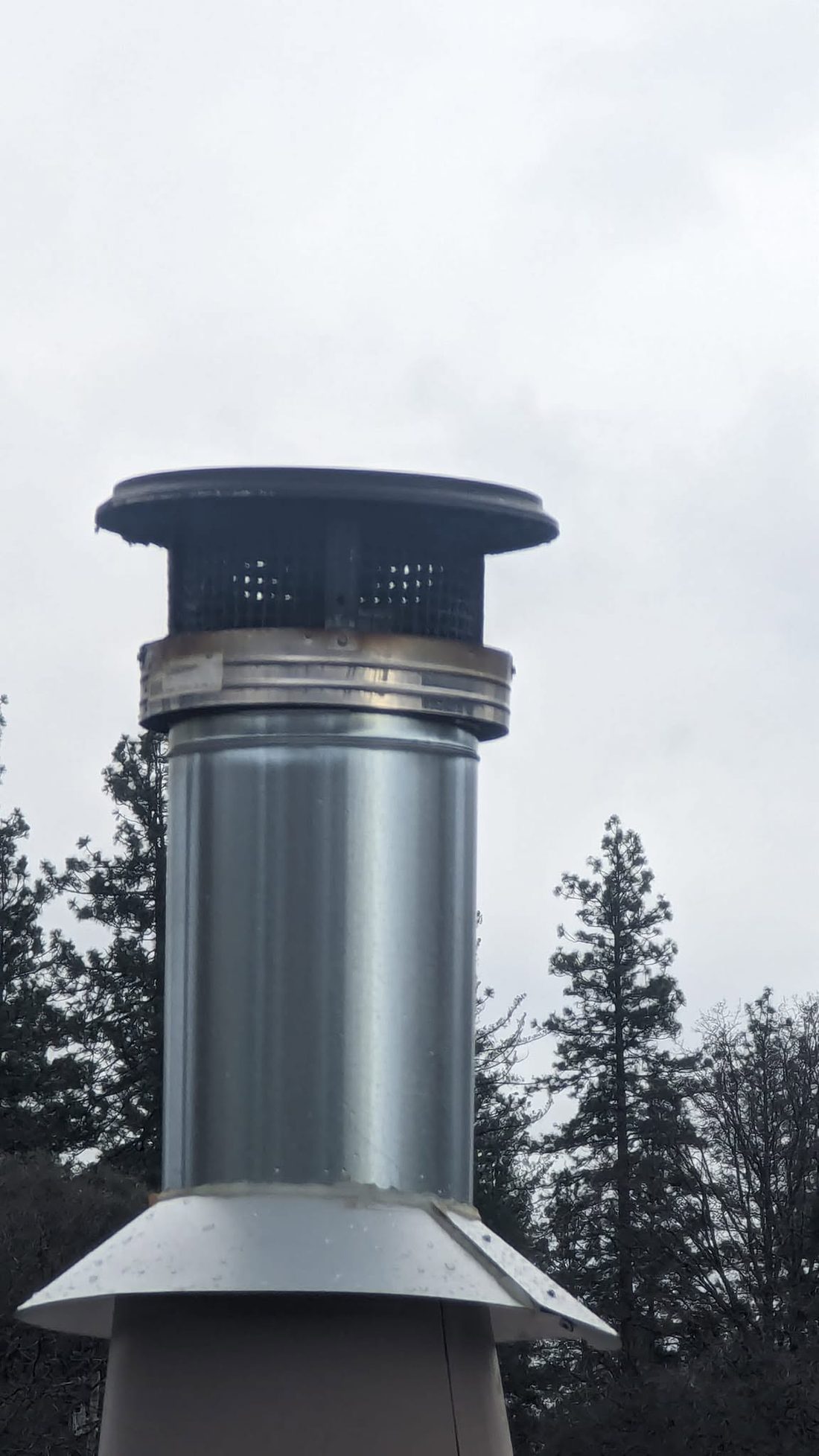
A crown, cap, chase cover and flashing have different roles. One new component does not prove the whole assembly is dry. A service record for “roof repair” may or may not include the chimney joint. Ask what was actually repaired, when, and whether the indoor symptom stopped during later comparable rain.
If there is an active leak, plan for the cost and scope of chimney leak repair as a separate question from whether the fireplace itself is ready to use. Water may affect materials you cannot see from the room.
Read findings without turning every note into a crisis
An inspection report may list maintenance needs, recommended repairs, conditions that require further investigation and areas that could not be accessed. These are not all the same. Ask the inspector which items affect use now, which are water-management issues, and which are observations to monitor. A photo tied to a location is more helpful than a vague phrase such as “chimney bad.”
If a repair is proposed, ask what condition it addresses and whether another trade is needed. Flashing may involve roofing work; a gas issue may involve qualified gas service; a factory-built unit may need manufacturer-approved parts. Do not assume one person can make every repair simply because one person completed the inspection.
Avoid treating a “clean” report as a lifetime certificate. It describes a scope and condition at a point in time. Weather, use and future changes can alter the system. Keep the report for comparison and for the next owner.
Useful questions before the inspection date
Ask the company: What type of visit are you recommending for a property transfer? What areas will be accessible? Will a camera be used and why? What photographs or written findings will I receive? Can you identify the appliance and its vent? Are there additional charges if the system has more than one flue? What happens if weather prevents roof access?
Ask the seller or agent: When was the fireplace last used? Is there a manual? Were there chimney fires, leaks, animal entry or gas-service calls? Was a repair completed or merely recommended? If the answer is unknown, that is not a reason to invent a clean history. Note the gap and ask the inspector what it means for the evaluation.
When comparing estimates, make sure each covers the same scope. A basic visual visit and a more involved flue examination are different services. A lower price may reflect less access rather than an equal evaluation at a discount.
Use the report in the purchase conversation
A useful inspection report can help a buyer plan without turning the chimney professional into a real estate negotiator. Separate immediate use concerns, maintenance items and optional improvements. Ask the inspector to describe each in plain language and, if possible, identify the affected component on a photograph. Your agent can then help you decide how to address the finding under the purchase contract.
If a repair estimate follows the inspection, make sure it states which finding it addresses. A cap estimate may be reasonable but may not resolve a separate flue defect. A roof quote may address a stain but not certify fireplace operation. Keeping these scopes apart prevents a phrase such as “chimney repaired” from being treated as proof that every part of the system was evaluated.
Put the inspection in the calendar early
If a chimney inspection matters to your purchase decision, try to arrange it while there is still time to receive a report and ask follow-up questions under the contract timeline. A same-day verbal impression may be helpful, but it does not replace a written scope and findings. Tell the professional whether the seller has records for recent sweeping, a cap replacement, water work or a fireplace conversion. Those records can focus useful questions; they do not prove the system is currently in good condition.
If access is restricted, note what could not be seen. A camera view of one passage, an exterior view from the ground and a close examination of a roof top are different observations. Ask whether the report recommends another level of inspection or access before anyone uses the fireplace. A buyer can then compare the cost and timing of follow-up with the importance of that system to the purchase. After closing, keep the report with the house documents so the first seasonal maintenance visit has a starting point.
After the report: decide with clear priorities
If the inspector recommends no use until a defect is addressed, follow that advice. If there is a maintenance item, plan it before the first fire. If a hidden area remains unexamined, decide whether more access is practical or whether the uncertainty affects your purchase or renovation plan. Your real estate adviser can help with contract decisions; the chimney professional should explain the technical finding.
Do not start a fire as a final “test” during a walkthrough. A fire can be hazardous in an unverified system and will not tell you whether a flue liner, chase or concealed joint is sound. The aim is information you can use, not a dramatic demonstration.
An attractive fireplace can still be a worthwhile feature. The right inspection lets you enjoy it with clearer expectations about service and repair. Edison Chimney Services can discuss inspection scope and scheduling for a South Florida home at 954-408-2734 or through the form with the property ZIP code.
This guide is general information for South Florida homeowners, not a diagnosis of your specific system. If a fireplace shows smoke indoors, an unusual odour or any sign of unsafe operation, stop using it and request an assessment.