Advice & guides
Rain on the roof. A fireplace that has been quiet for months. A stain that shows up only after a storm. These guides explain what the parts of a chimney do, what to ask during an inspection, and when a symptom calls for professional attention. We write for homeowners — honest limits included.
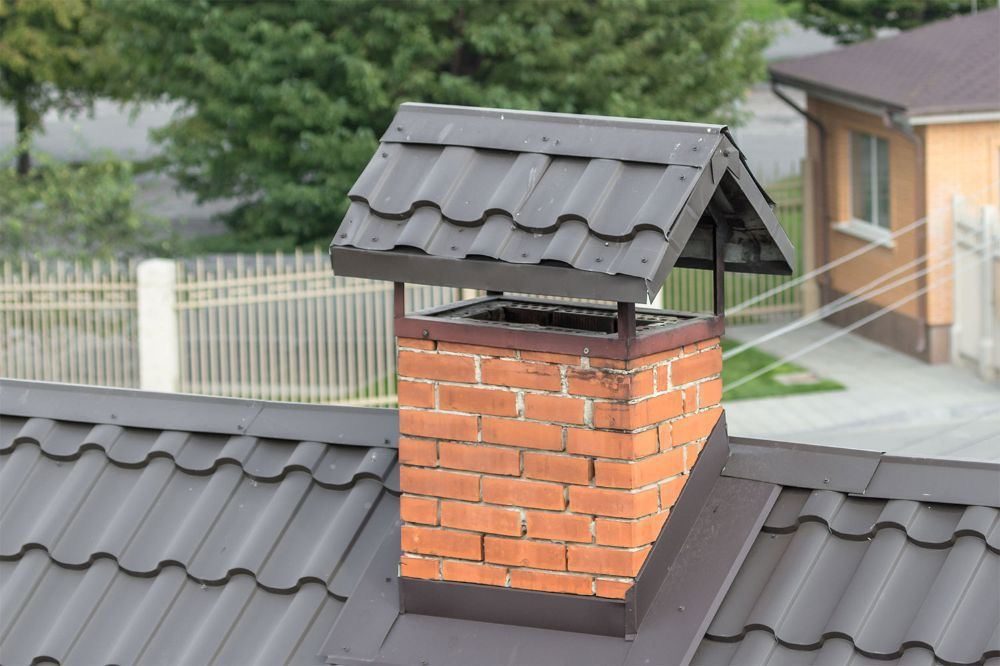
A stain near the fireplace can come from several paths. Learn what to observe after a South Florida downpour and what a thorough inspection should check.
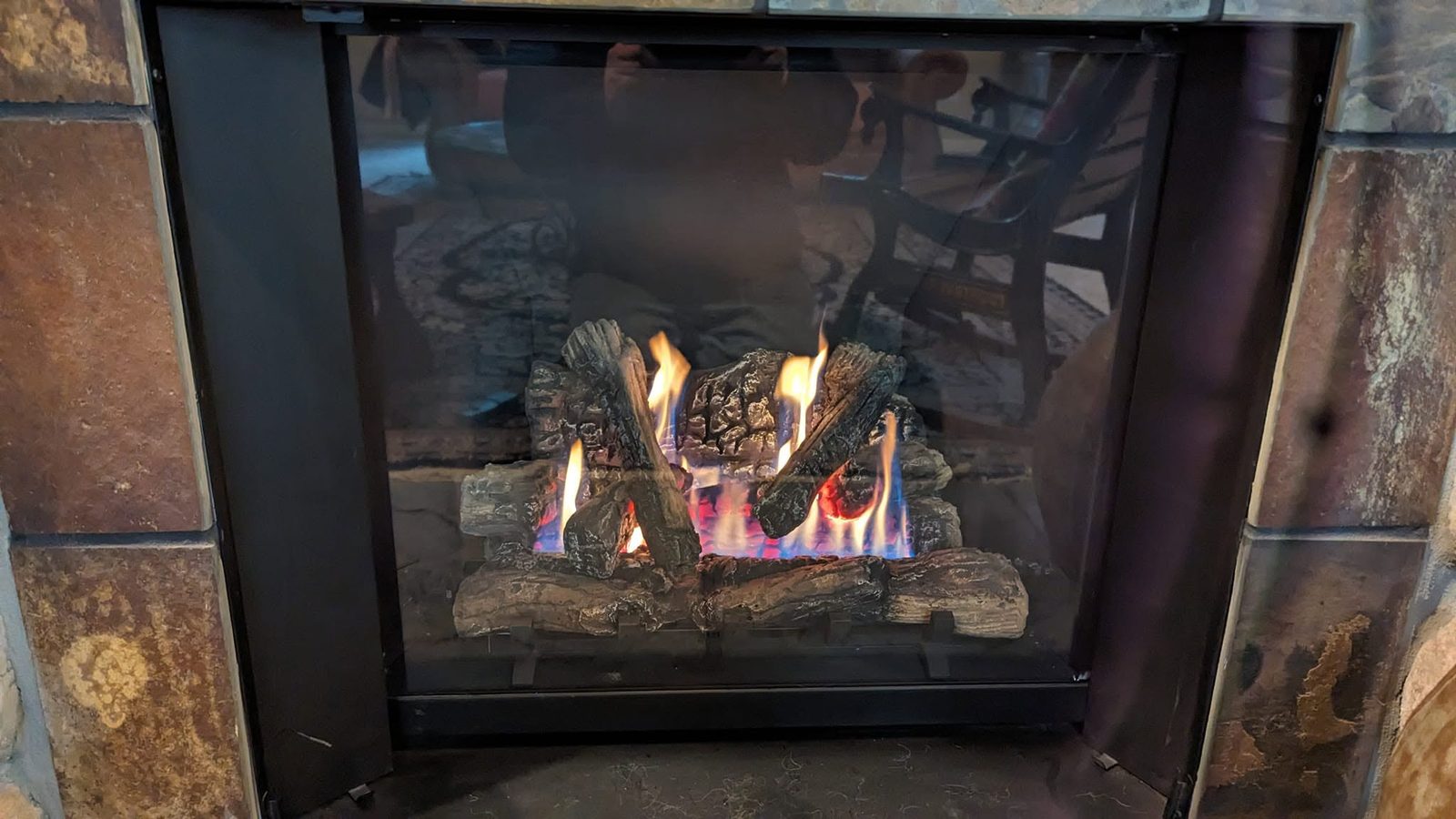
A smell around a gas fireplace is a reason to pay attention, not a reason to guess. Learn the difference between an emergency gas odor and a maintenance question.
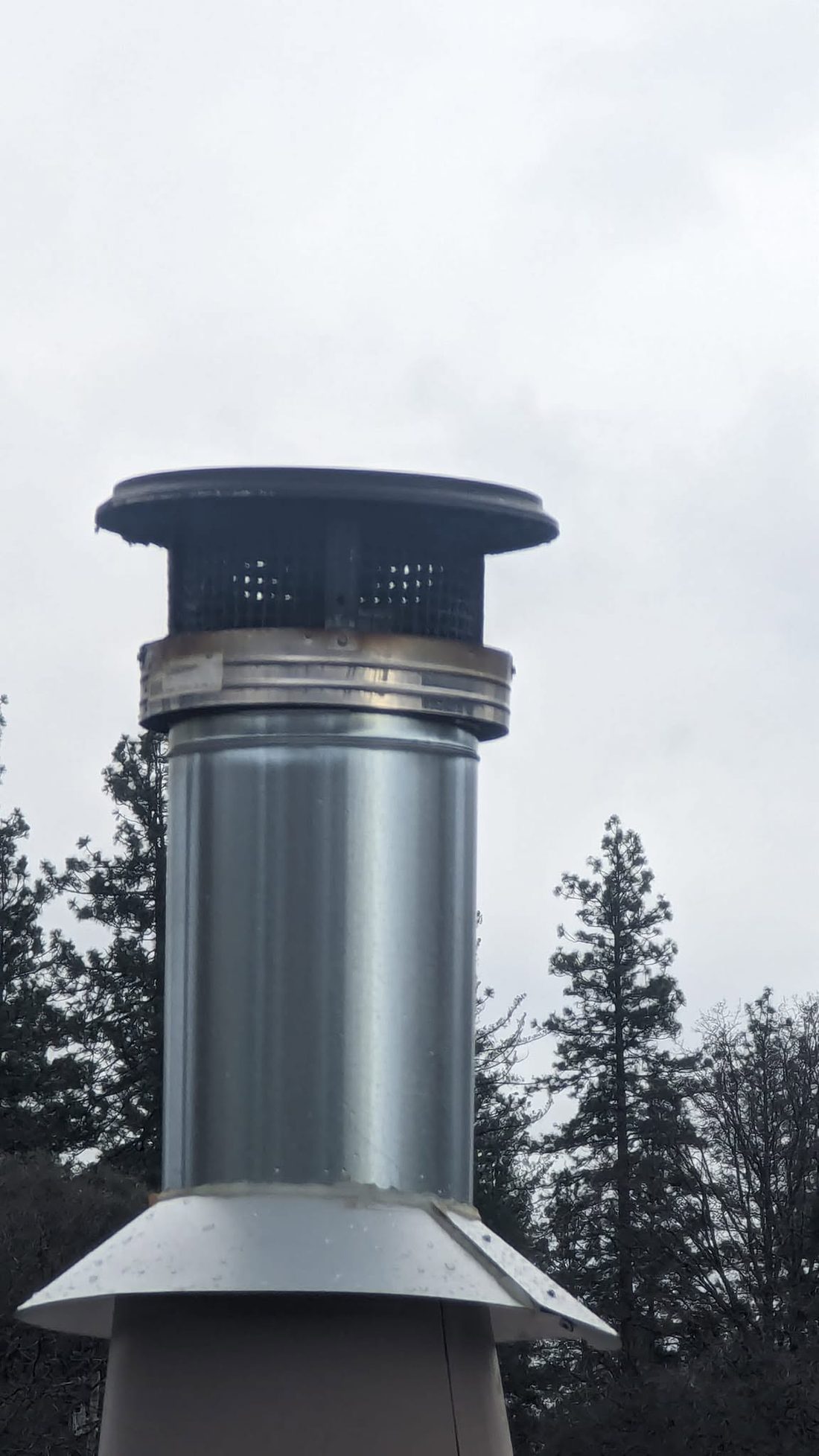
A cap has to fit the flue and the weather around it. Here is how to compare protection, materials and maintenance near the South Florida coast.
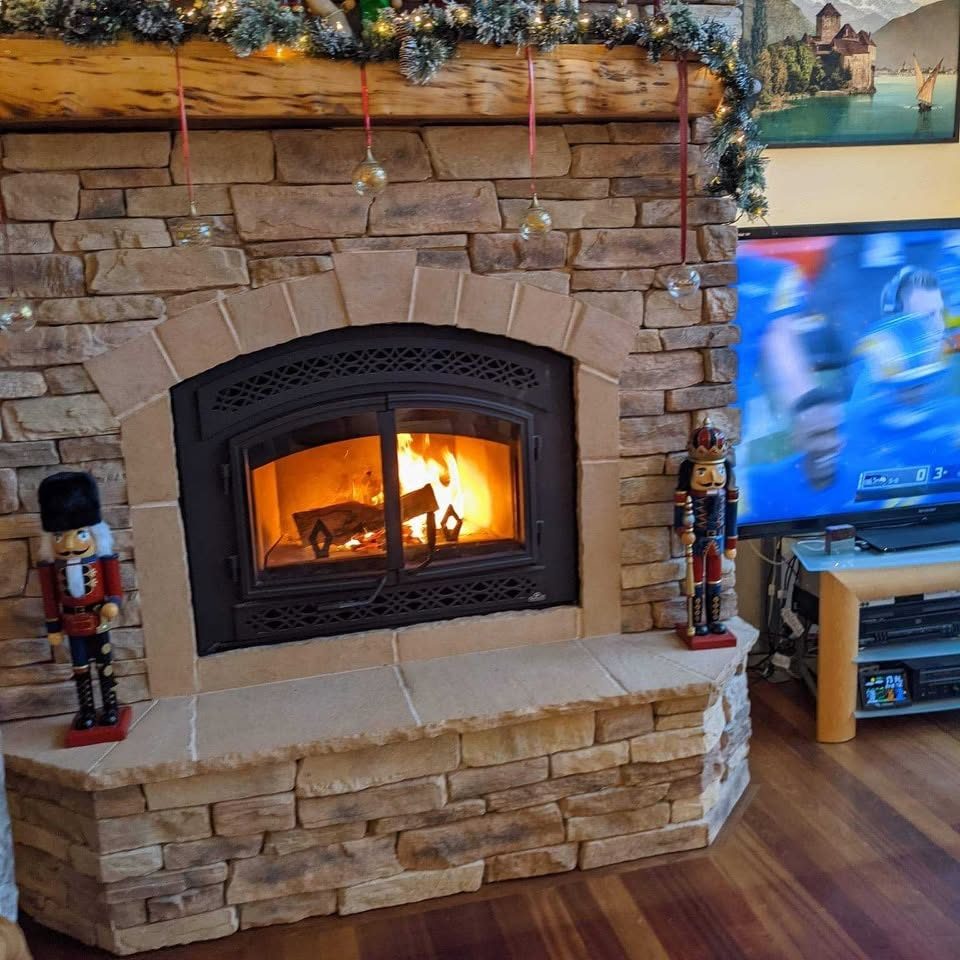
Before the first cool evening, check what months of disuse, rain and humidity may have changed around a wood or gas fireplace.

The top of a masonry chimney takes the weather first. Learn how a crown is assessed and why a thin coating is not the answer to every crack.

“We hardly use it” is useful information, but it is not a complete maintenance plan. Learn the difference between a chimney inspection and a cleaning.
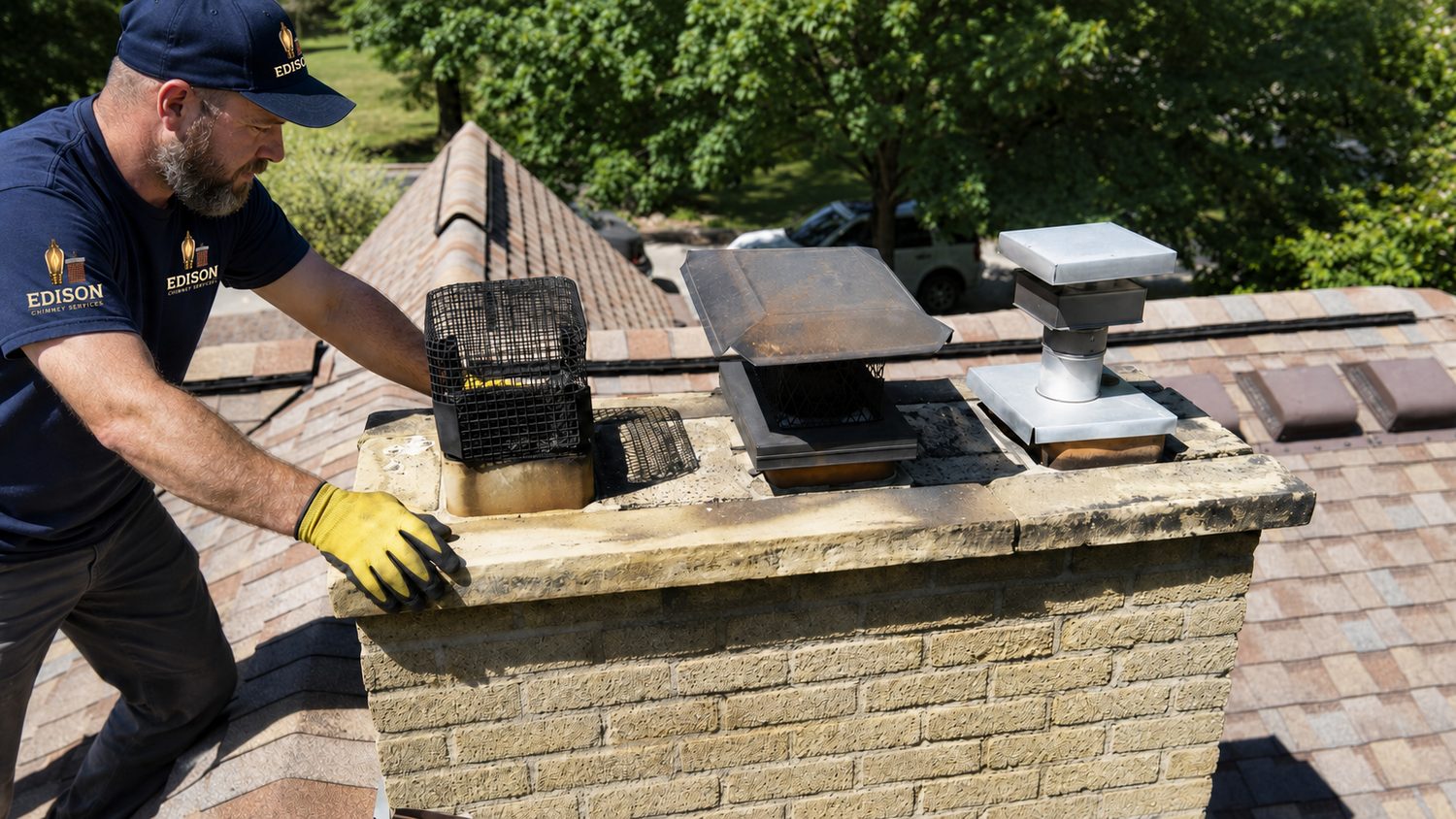
Two different exterior defects can leave a similar mark indoors. Learn how timing, roof shape and exterior condition guide a better leak investigation.

The flame may look similar from the sofa, but these systems operate differently. Learn what to identify before arranging service or choosing a change.

Rust stains around a framed chimney can point to a cover problem. Learn what a chase cover does and why fit and drainage matter.

Hearing movement in a chimney or finding twigs in the firebox calls for caution. Learn the difference between an obstruction, wildlife issue and future prevention.

A fireplace can look attractive in a listing photo. Learn what to ask before closing, what an inspection may reveal and how to read its limits.
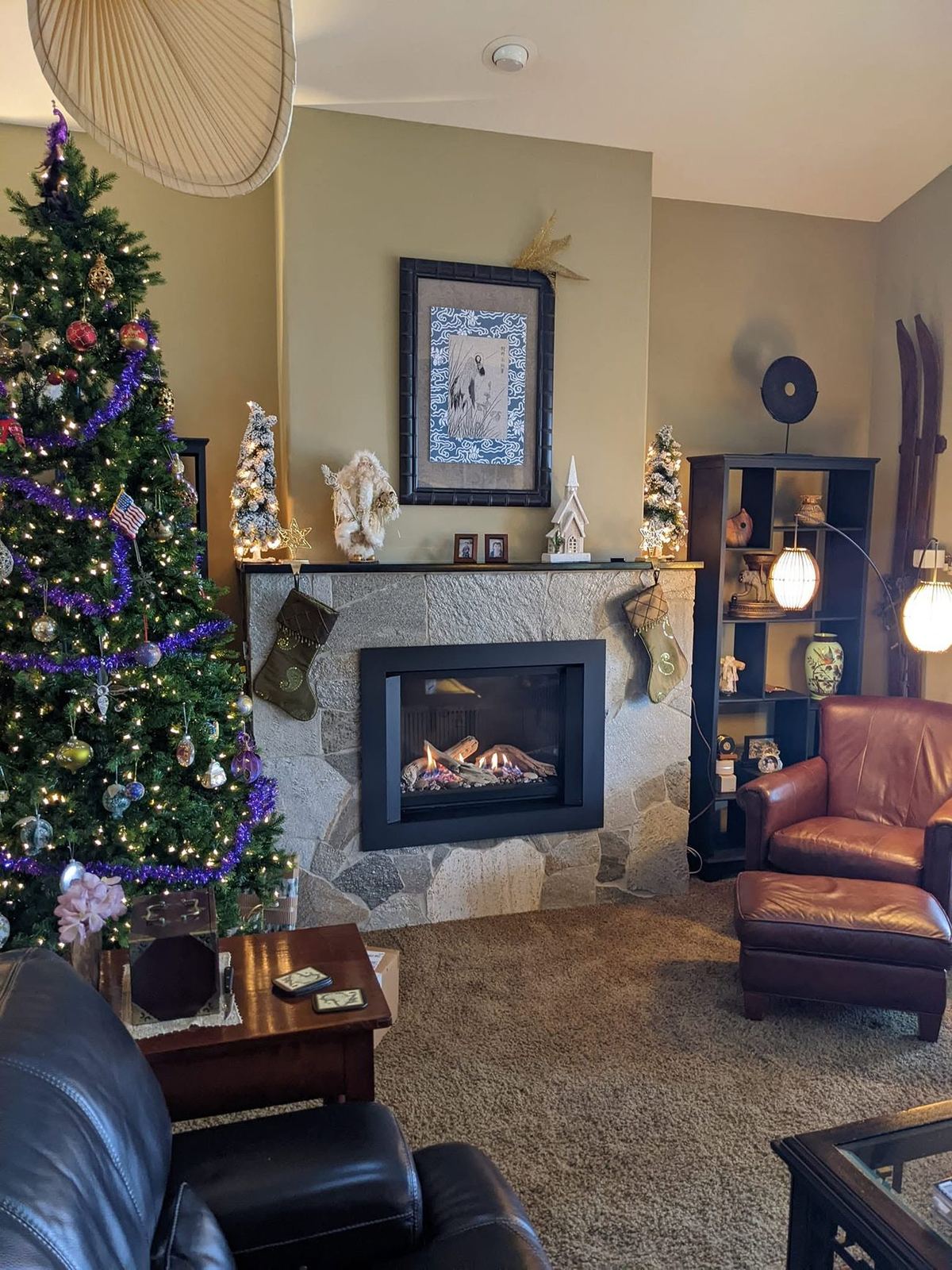
Your fireplace may be in your unit while its vent reaches a shared roof. Learn the access and responsibility questions to settle before service.
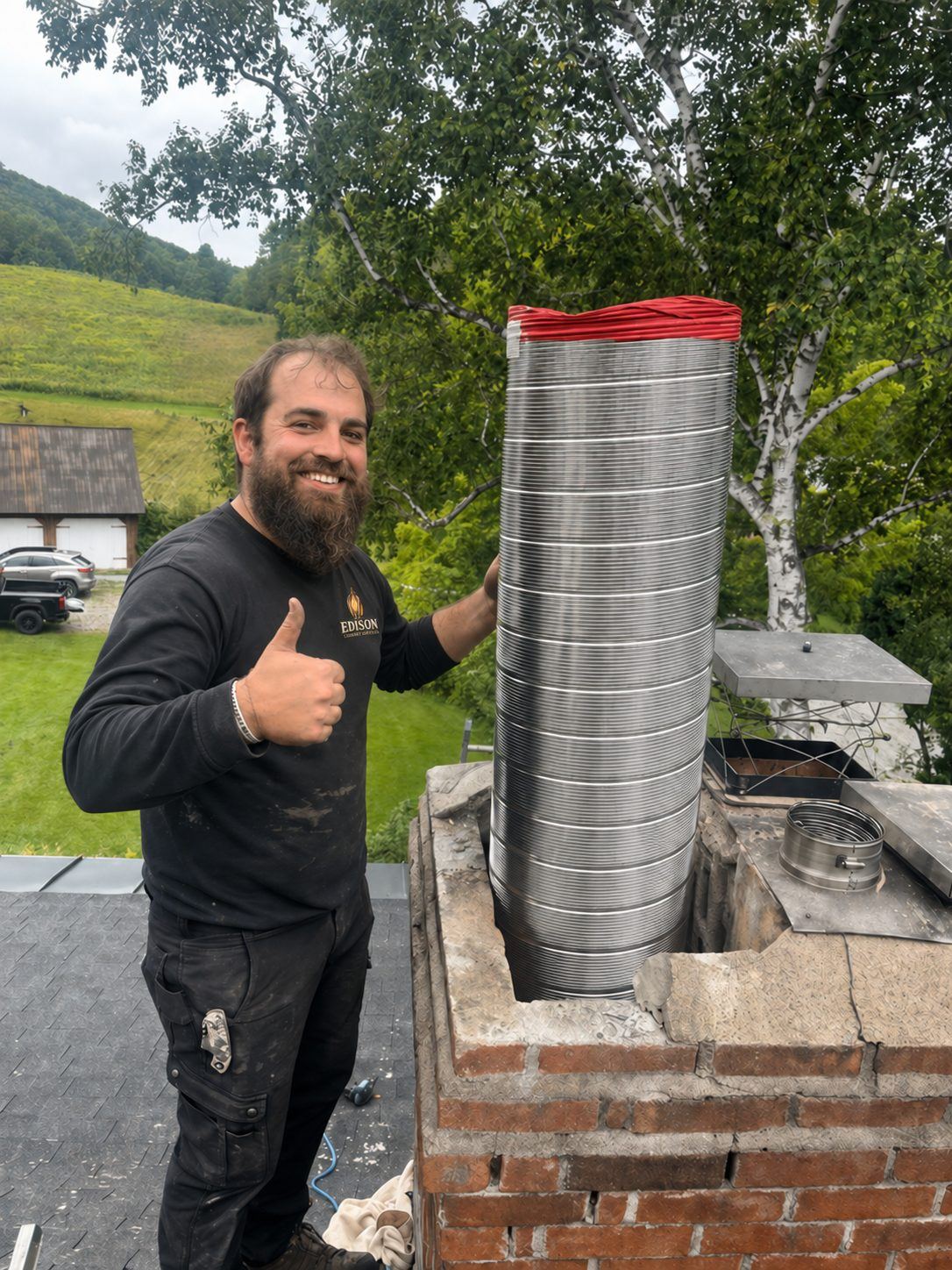
A liner is part of a venting system, not a product chosen by photo. Learn why condition, appliance and sizing must be understood first.

A running fan can change air movement around a fireplace, but it is only one possible cause of smoke spillage. Learn what to observe and when to stop using the system.
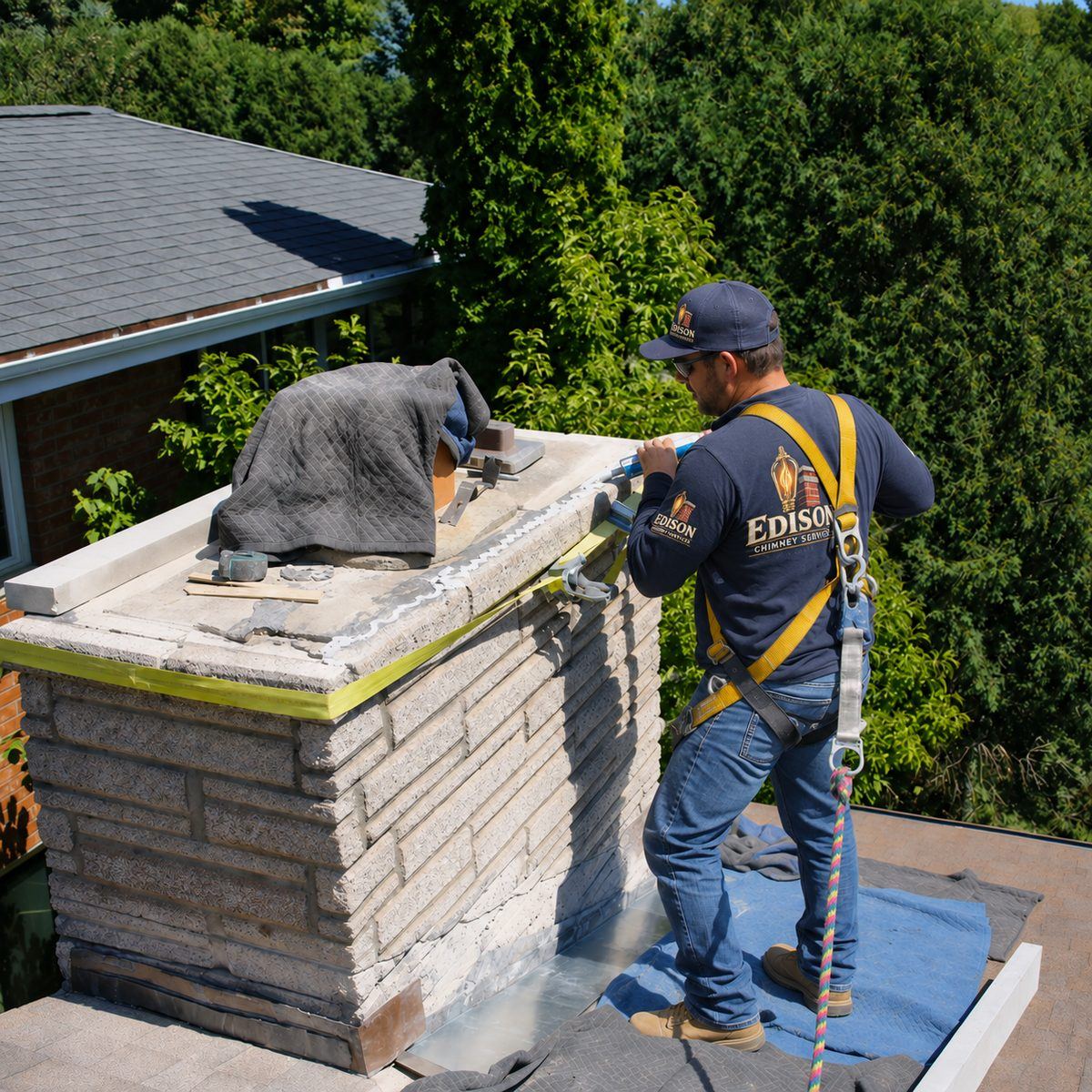
Water repellent can have a role in protecting suitable masonry, but it cannot fix a broken crown, flashing or missing cap.
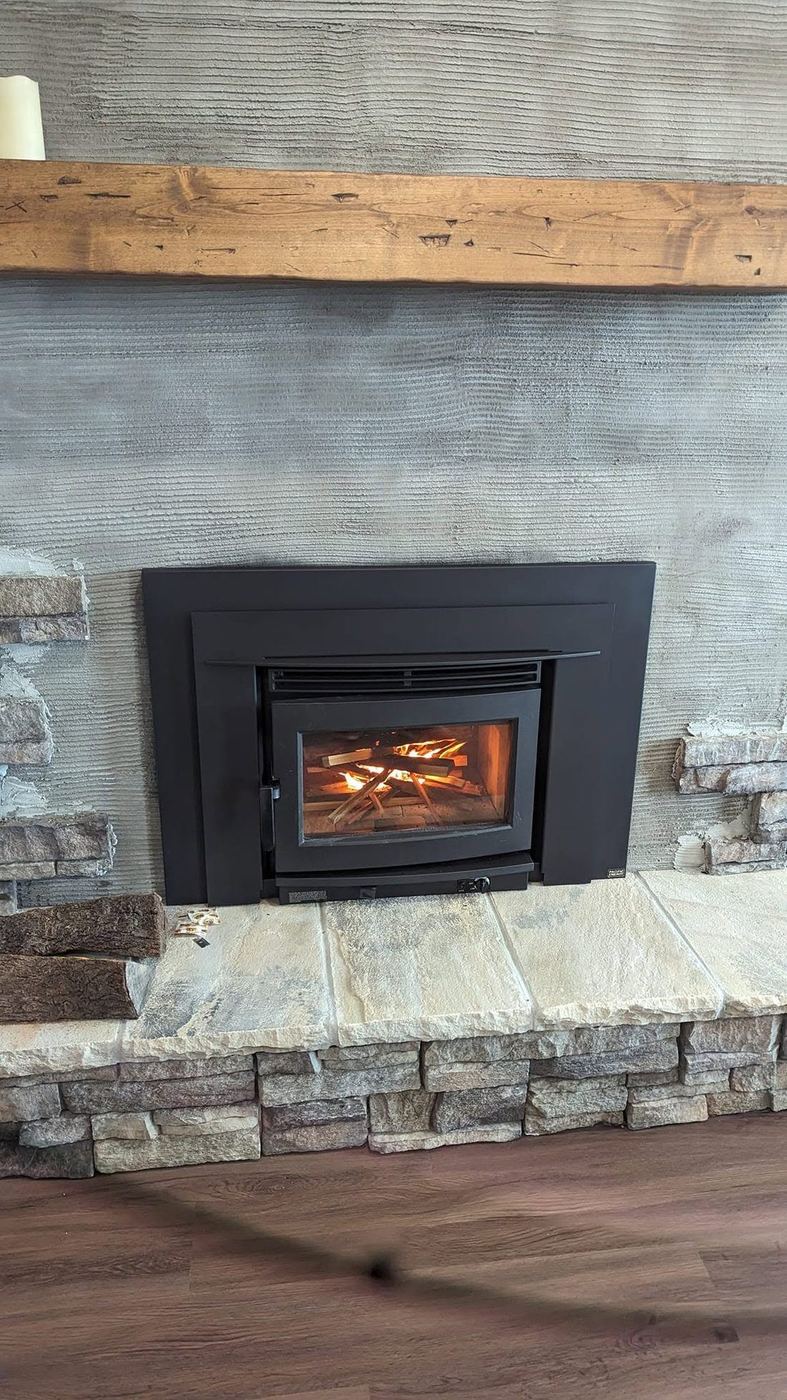
A hard-to-move damper can affect comfort and fireplace operation. Learn the difference between a throat damper and a top-sealing option before choosing a repair.
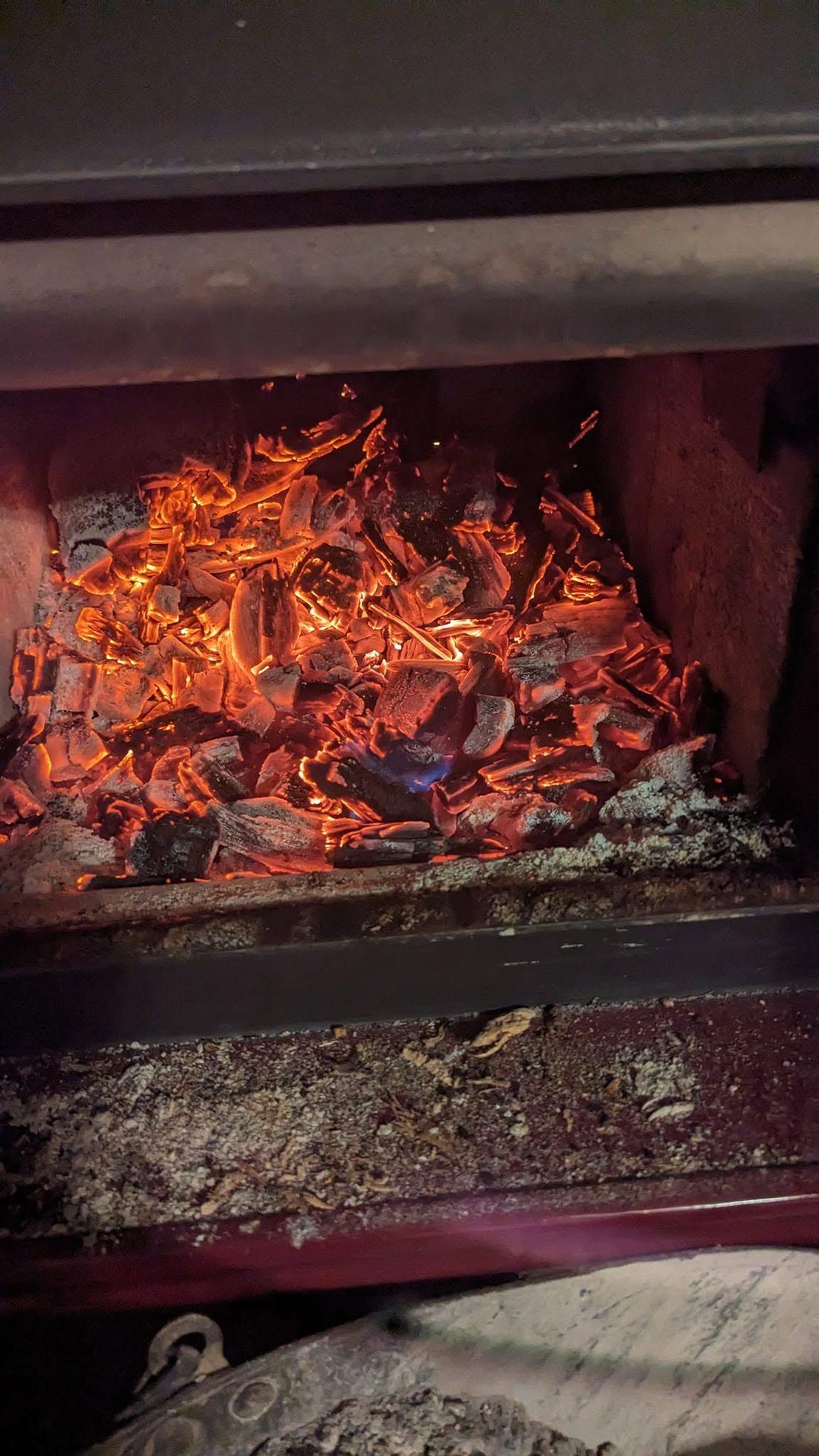
Cracks inside a fireplace do not all mean the same thing. Learn what to photograph, what not to use and why the type of firebox matters.
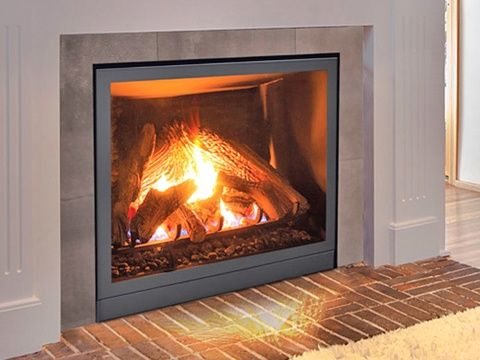
Factory-built fireplaces are engineered as specific systems. Learn why a replacement panel needs more than a similar color and shape.
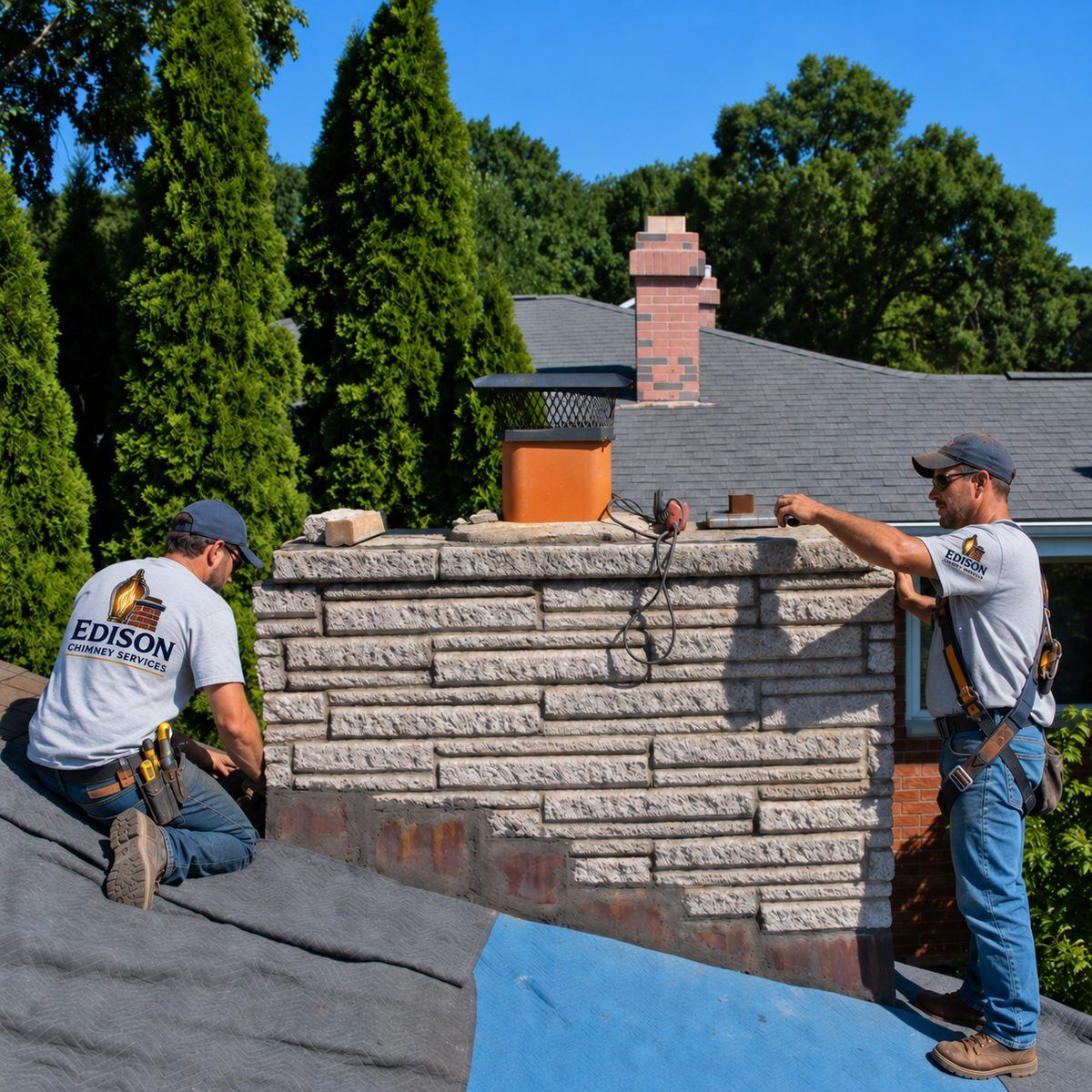
The smoke chamber sits out of sight between the firebox and flue. Learn why its shape and surface are inspected before anyone recommends parging.
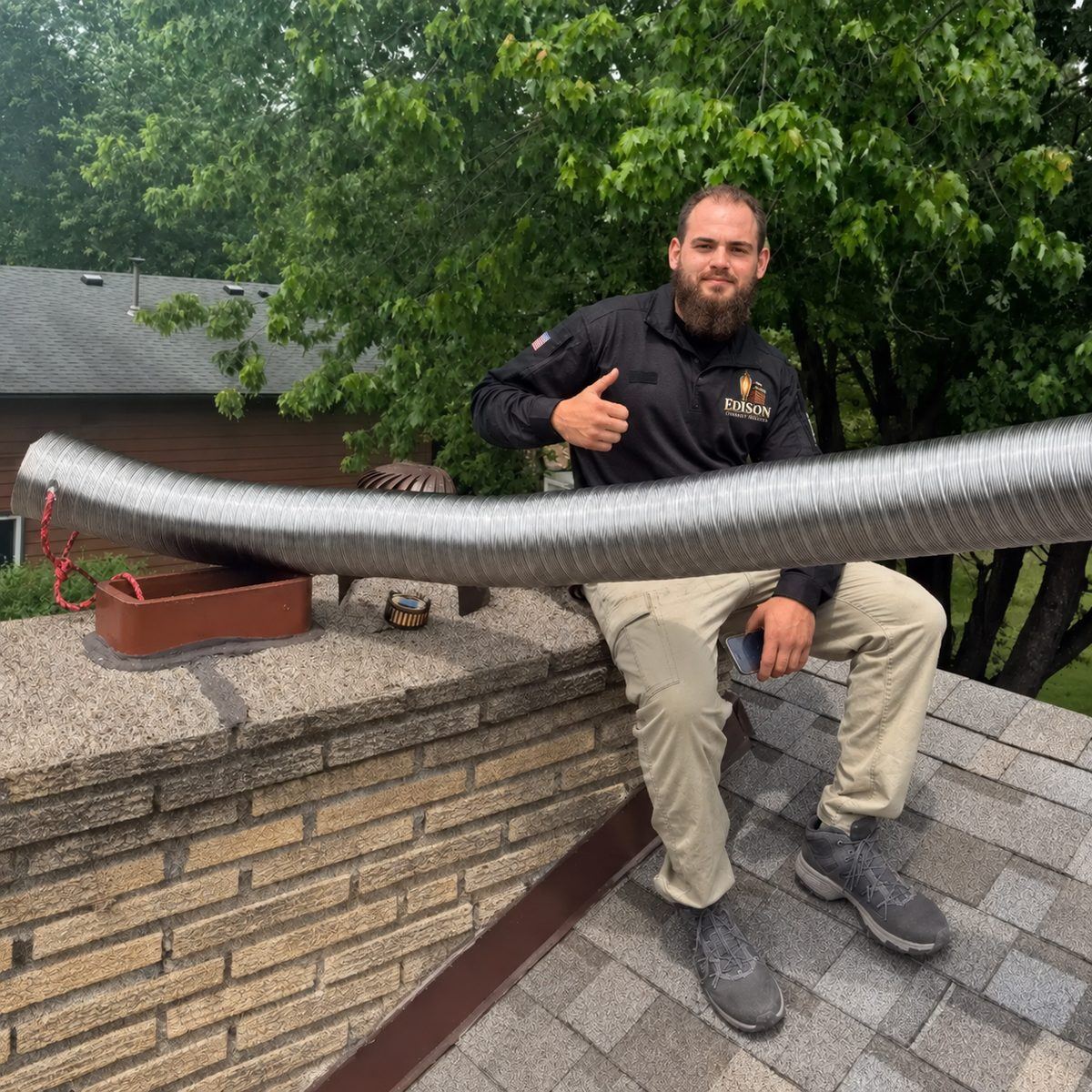
Before storm season, a few safe observations can help you spot changes later. Leave roof work to professionals and keep the fireplace off if damage is suspected.

These products change an existing fireplace in different ways. Compare your goals, opening, vent and future care before choosing from a showroom image.
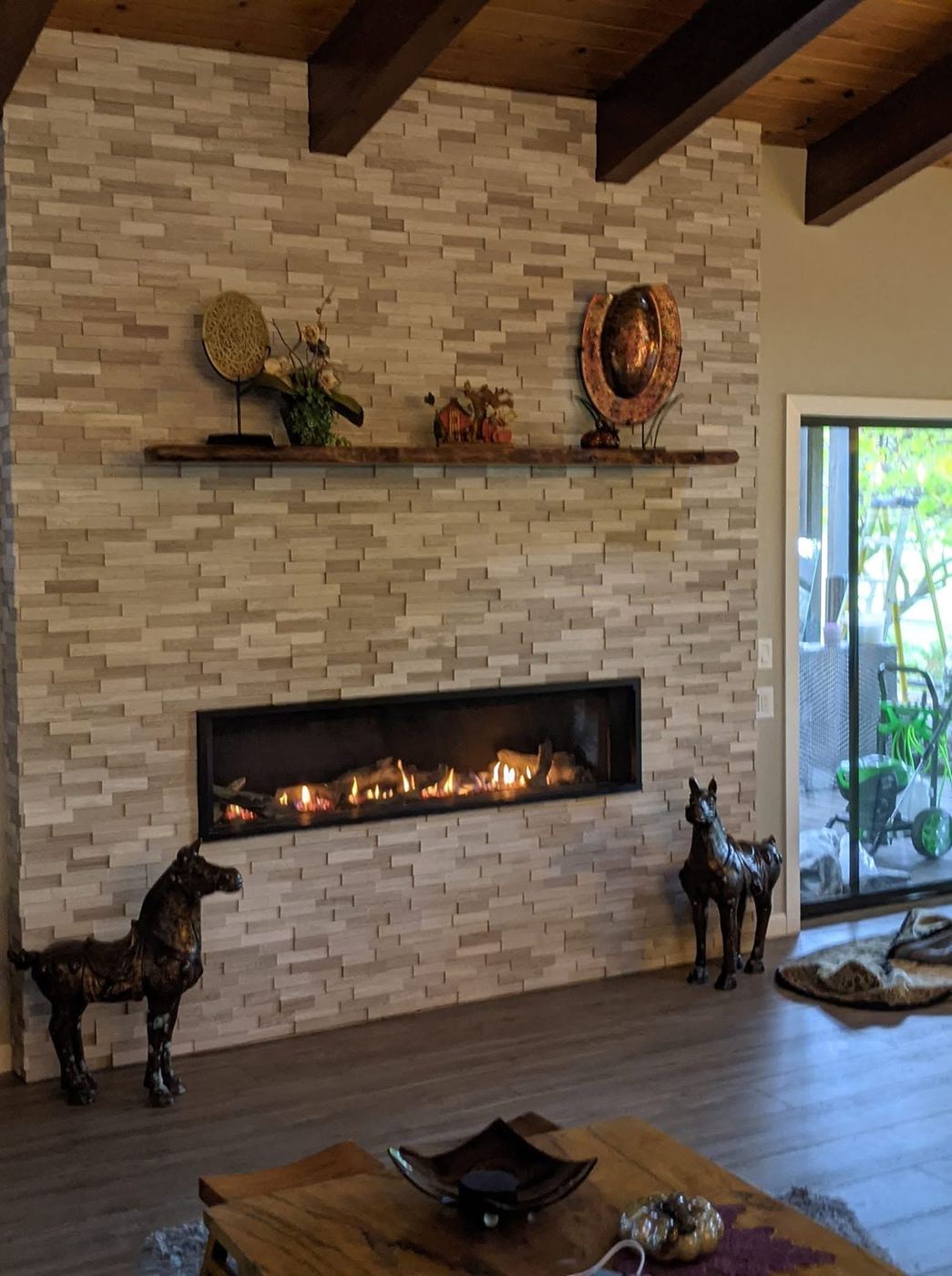
An unused fireplace still has a roof, a vent and exposed parts. Make a simple return-to-use plan for a South Florida vacation home.
A musty fireplace odor after a shower can involve moisture, debris or air movement. Learn how to record the pattern without guessing the cause.
A good estimate connects a symptom, a finding and a scope of work. Learn the questions that help you compare quotes fairly.
A local masonry repair can be smart when the structure is sound. Learn the findings that may lead to a broader rebuild discussion.
Talk to a technician
You don’t need to know the name of every chimney part. Tell us what you notice, whether the system burns wood or gas, and your ZIP code. If a system shows signs it may be unsafe to use, stop using it until it has been evaluated.
Available 24/7 954-408-2734
