Parts & Repairs
Chimney Liners Explained Without the Sales Pitch
A liner is part of a venting system, not a product chosen by photo. Learn why condition, appliance and sizing must be understood first.
A liner is the passage, not a decorative upgrade
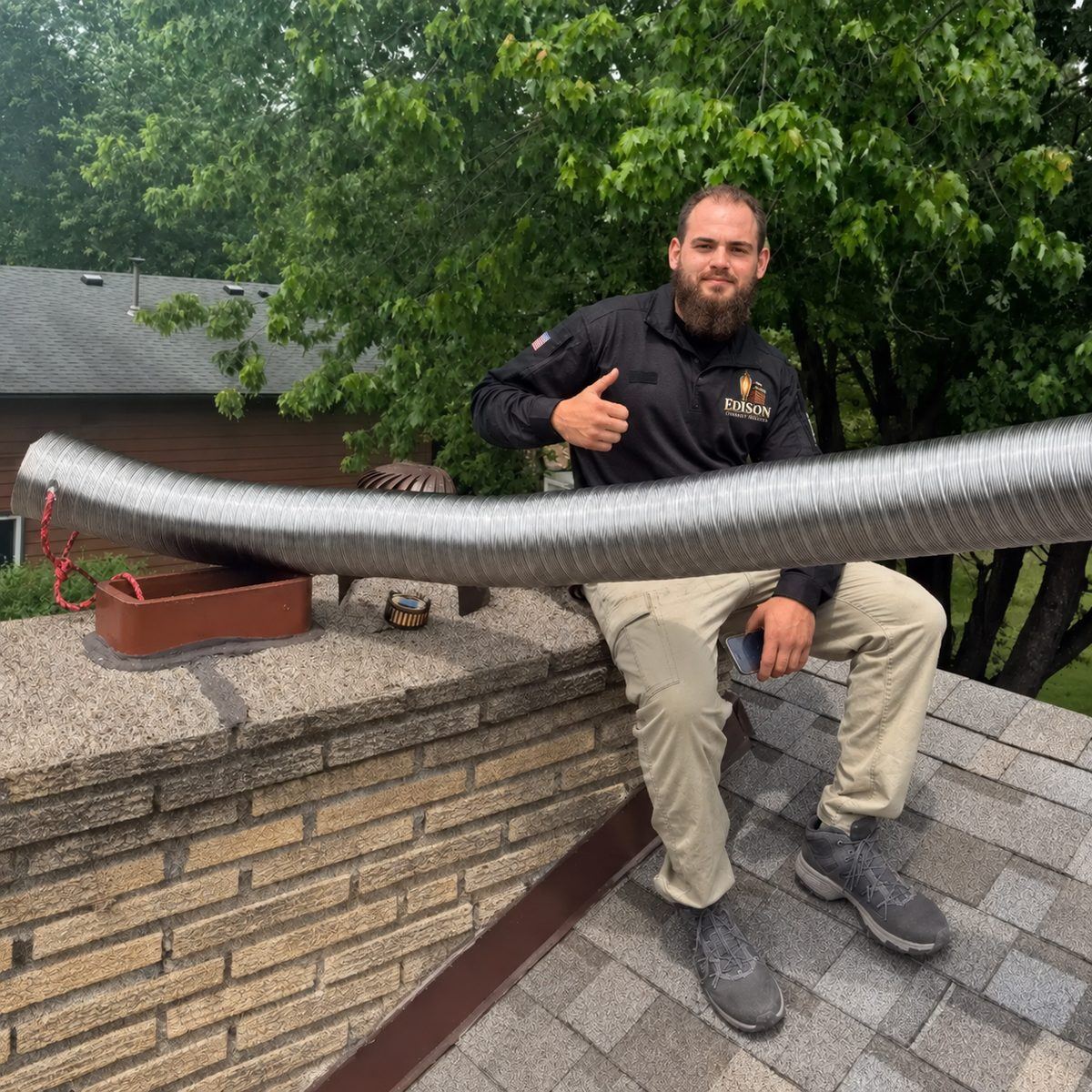
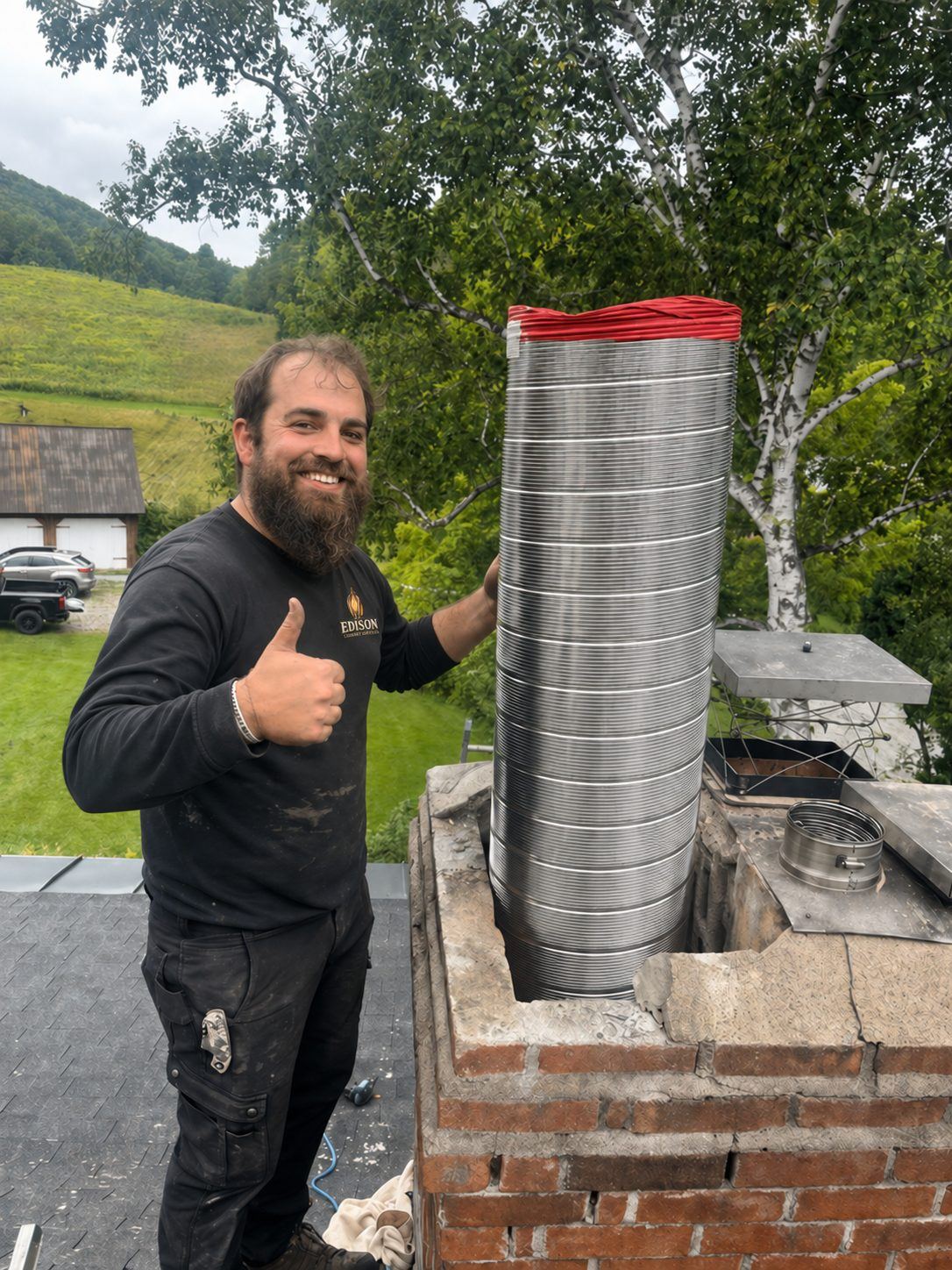
A chimney liner helps form the route that carries combustion products from an appliance toward the outdoors. It is easy to imagine it as a tube that can simply be dropped into any old chimney. Real decisions are more specific. The appliance, fuel, flue size, condition of surrounding masonry and product listing all affect whether a liner is suitable and what work would be required.
When someone recommends chimney liner repair or replacement, ask what problem was actually found. Are existing tiles cracked? Is there an inappropriate connection? Has the appliance changed? Is the flue size unsuitable for the equipment? A quote for “new liner” without a clear reason is difficult to evaluate, even if the price seems attractive.
This article cannot tell you what liner your home needs. It can help you ask for a diagnosis tied to the system you own. Do not use it to measure or install a vent yourself. A liner affects fire and combustion safety, and the details belong with a qualified professional and the appliance's instructions.
Begin with the appliance
A wood-burning fireplace, insert, stove or gas appliance may have different venting requirements. Two appliances that burn the same fuel can also differ. The manufacturer's installation manual and listing matter. If the manual is missing, identifying the exact model is an important step before choosing materials.
A change of appliance can change the question. A flue that served an open fireplace may not be the right vent for a new insert without additional work. A gas conversion also requires assessment of the existing chimney and the proposed product. Do not assume the old masonry passage becomes suitable simply because the new appliance has a smaller connector.
Ask whether the proposed liner is intended for the particular fuel and appliance, how it will connect, and what happens at the top and bottom. A complete scope should not stop at naming the metal in the middle.
What an inspection can show
A professional may examine accessible portions of the flue and, when appropriate, use video equipment to document internal conditions. A camera can reveal some cracks, gaps, offsets or obstructions that a room view would miss. It cannot turn an inaccessible area into a fully known condition without the right access and interpretation. Level 2 chimney inspection may be part of a change in use or a more detailed evaluation, depending on the circumstances.
Ask for photographs or a written explanation of the finding. Where in the flue is the issue? Is it a local defect or a broader condition? Does the proposed liner solve that specific problem, or is there surrounding masonry that also needs attention? If the inspector cannot access a portion, the report should say so.
A smoky fire or damp smell alone cannot prove the liner is defective. Draft, fuel, moisture, cap and house air pressure can all influence symptoms. The assessment should leave room for these alternatives rather than forcing every complaint into a relining sale.
Material, size and shape are not interchangeable
Liner systems use materials chosen for particular applications. Stainless steel products, clay tile and other listed options have different roles. A new liner must suit the appliance and installation conditions. The correct sizing is not simply “small enough to fit down the chimney.” Too many bends, an unsuitable diameter or an improper connection can affect performance.
A homeowner does not need to calculate venting specifications. Ask the installer to show how the selected system matches the manufacturer's requirements and the existing structure. If the old flue has an offset or a narrow passage, ask how that affects the plan and what access is needed. If the chimney has multiple flues, confirm exactly which one the work covers.
An estimate should include the top termination, connection to the appliance, any insulation or preparation required by the chosen system, and treatment of the old material if relevant. If some work depends on what is found after opening an area, ask how changes will be approved.
Water problems can complicate a liner discussion
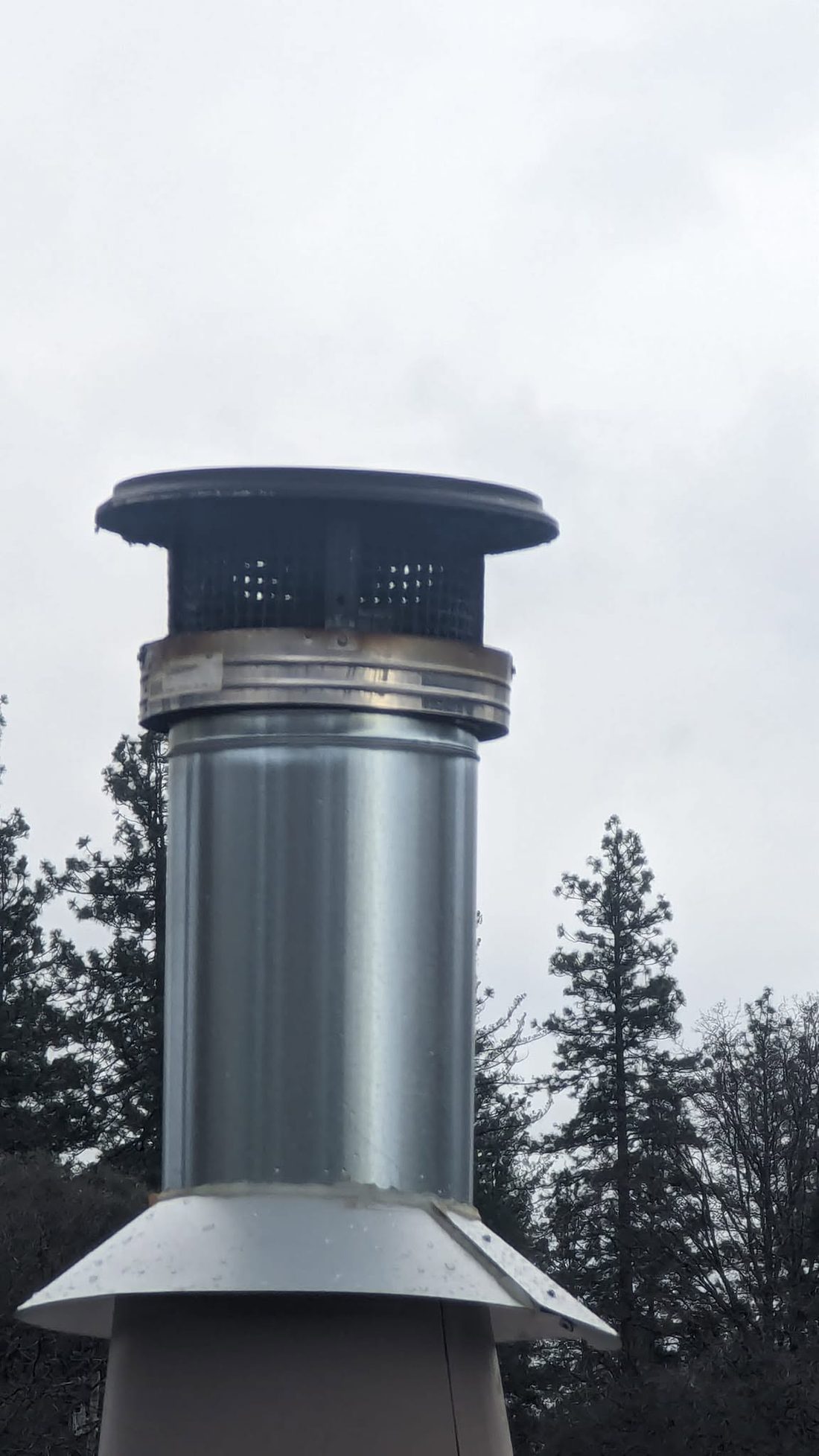
In South Florida, an exterior chimney can receive rain and humidity while the appliance is idle. A new liner does not replace a sound cap, crown, flashing or masonry. If the chimney has active water entry, that issue may need a separate repair. Installing an interior component into a persistently wet structure without a plan for the water path may leave the homeowner with another problem.
Ask about visible staining, rust or deteriorated joints. Does the inspector think water is entering? What evidence supports that? Will chimney leak repair be part of the project or a separate recommendation? Keep those scopes distinct. A roof detail and a venting detail can both matter, but they are not the same repair.
An old stain does not by itself prove active leakage. Photographs from later rain events can help determine whether the condition is ongoing. A sensible proposal recognizes what is known and what must still be checked.
Compare a repair with replacement fairly
Some defects may require a comprehensive liner solution; others may involve a different component. Ask whether any local repair is appropriate for the identified system and why it is or is not recommended. The answer may depend on the product, the extent of damage and applicable instructions. Avoid a universal claim that all cracks can be patched or that every older chimney must be relined.
If two contractors propose different solutions, compare their inspection findings first. Are they addressing the same flue and appliance? Did both see the same area? Does one quote include access and top work that the other excludes? A useful comparison is about the entire vent route, not just the per-foot material price.
Keep records of the selected product and work performed. They matter if the appliance is later changed or the property is sold. Future service should not have to guess what was installed behind finished walls.
How to read two very different liner proposals
Suppose one bid lists a liner material and total footage, while another includes inspection findings, flue preparation, a specific appliance connection, top termination and documentation. The second may cost more, but it also describes a different scope. Ask both contractors to answer the same questions: Which appliance is being served? What condition makes a new liner necessary? What happens to any existing material? Which related masonry or water problems are outside the quote?
A proposed liner also has to fit the actual path. An offset, a narrow section or an unknown transition can change access and method. The professional may need to document a condition before confirming the final scope. That is a reasonable limitation if it is explained in advance. A promise that every chimney can be relined in a fixed time from a single exterior photo should invite more questions.
Finally, ask what record you will receive after installation: product identification, the flue served, connection details and any inspection notes. This matters years later when a new appliance is considered. A future technician should not have to guess which product is hidden in the masonry or whether it was selected for wood, gas or another use. Good documentation is part of a useful venting repair.
A liner quote should identify its destination
A chimney may contain more than one flue. Before accepting a liner proposal, ask the contractor to point out the passage involved and the appliance connected to it. The job description should state where the liner starts, where it terminates and what happens at the connection to the appliance. If the fireplace is being changed to a different fuel or appliance, the proposed vent has to be assessed for the *new* installation, not selected simply because a liner fit the old opening.
Photographs of the interior can be difficult for a homeowner to interpret. Ask the inspector to label any crack, gap, offset or obstruction that supports the recommendation. If the view is incomplete, ask what further access or inspection would be needed. A clear scope can still contain an honest condition about concealed work; it should explain what would trigger a change in price or method. The record of the finished liner and appliance connection is worth keeping with the property documents.
Questions to put on the table
What prompted the liner recommendation? Which flue and appliance does it serve? What were the inspection findings? What liner system is proposed and why is it compatible? How will it connect at both ends? Are there needed repairs to the chimney structure? Who handles permits or other required approvals? What is excluded? These are reasonable questions for any homeowner.
If the installer cannot answer a question immediately, ask for the relevant manual or product documentation. A written follow-up is better than a confident guess. If the appliance is unsafe to use in its current condition, leave it off while options are reviewed.
Edison Chimney Services can discuss an inspection and explain whether liner work is appropriate for the system. Call 954-408-2734 or use the form with your ZIP code and, if known, the appliance model.
This guide is general information for South Florida homeowners, not a diagnosis of your specific system. If a fireplace shows smoke indoors, an unusual odour or any sign of unsafe operation, stop using it and request an assessment.