Gas & Installation
Pilot, ignition and venting issues handled as qualified professional work — with safety first, always.
My gas fireplace won’t light or behaves oddly — what’s wrong, and what has to be left to a professional?
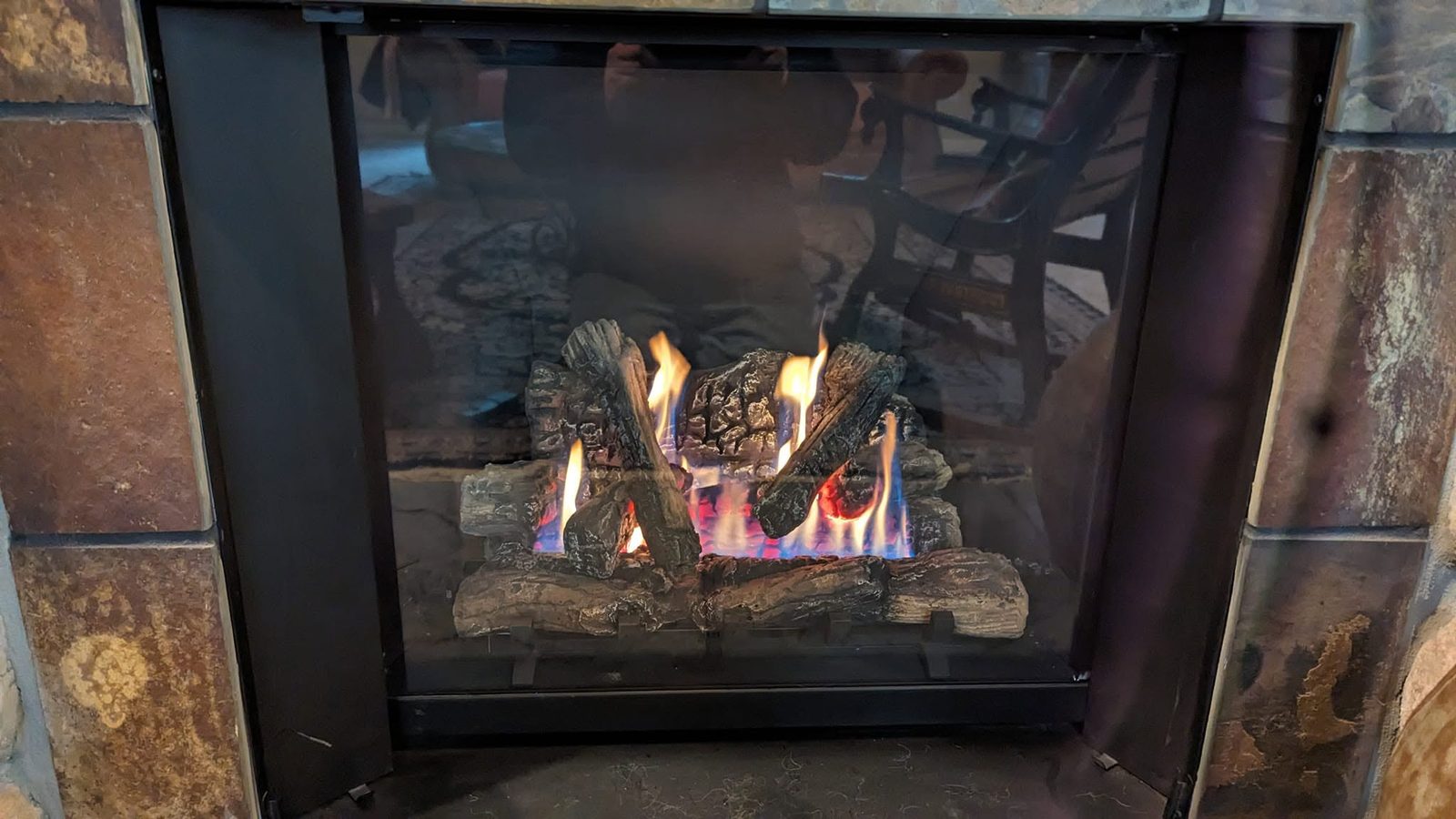
A gas fireplace is a fuel-burning appliance, so its service and repair are qualified professional work — not a place for online part-swapping. When it will not light, the flame looks wrong, or it behaves unpredictably, the causes usually sit among the pilot and ignition, the burner, the gas components and the venting. A smell by itself does not name a part, which is why we work from the model and the symptoms rather than a forum thread.
Before anything else, safety: if you smell a strong gas odour, leave the area with everyone in the building, then call 911 and your gas utility from somewhere safe. Do not search for the leak or operate switches. A website cannot tell you whether gas is present.
Two rules come before any troubleshooting. First, a strong rotten-egg or sulphur gas odour means leave and call your utility — the emergency instructions take priority over a service appointment. Second, carbon monoxide has no smell, so a CO alarm means get everyone outside and follow the alarm and emergency guidance. Working CO alarms are part of using any fuel-burning appliance safely.
Once an immediate emergency is ruled out, the remaining odours and faults are things a qualified professional can investigate methodically.
Frequent issues include a pilot that will not stay lit, an ignition that clicks without lighting, a burner that flames unevenly, a thermocouple or thermopile problem, or a unit that shuts off on its own. Others are about the glass, the logs or media, or the venting that carries combustion products out. Each is diagnosed against the specific make and model, because gas components are not interchangeable across units.
The gas fireplace inspection is the structured version of this — checking components and venting within the technician’s scope — and it often precedes a repair.
We do not give homeowners DIY gas-line instructions, and we do not treat gas connections as a do-it-yourself task. Where required, gas work is handled by qualified professionals. This caution is not bureaucratic — it is how gas appliances are kept safe. If a repair is outside a safe scope, we say so rather than improvise.
Gas fireplaces vary enormously between makes and models, and their components are not interchangeable. A fix that is correct for one unit can be wrong or unsafe for another, which is why a responsible repair works from your specific model and its documented requirements rather than a generic online walkthrough. That discipline is part of what “qualified work” means for gas.
It also shapes what we will and will not do. Where a repair falls outside a safe scope, or where the situation calls for the utility, saying so plainly is not caution for its own sake — it is how gas appliances are kept safe.
We don’t quote prices online because the right scope depends on the system. These are the factors that usually move an estimate:
If you smell gas, leave immediately with everyone in the building and call 911 and your gas utility from a safe place. If a CO alarm sounds, get outside and follow emergency guidance. Do not use the fireplace until a professional has cleared it.
For a gas fireplace, have ready:
Common causes include the pilot assembly, thermocouple/thermopile or ignition. These are diagnosed against your specific model. It’s qualified work, not a DIY part swap.
Leave the area with everyone, then call 911 and your gas utility from somewhere safe. Don’t look for the leak or flip switches. Emergency guidance comes first, always.
Yes. Carbon monoxide has no smell, so working CO alarms are an essential safeguard for any fuel-burning appliance.
Gas connections are qualified professional work. We handle gas appliance service within a safe, professional scope and never provide DIY gas-line instructions.
Talk to a technician
You don’t need to know the name of every chimney part. Tell us what you notice, whether the system burns wood or gas, and your ZIP code. If a system shows signs it may be unsafe to use, stop using it until it has been evaluated.
Available 24/7 954-408-2734
