Parts & Repairs
When Is a Chimney Rebuild More Sensible Than Another Patch?
A local masonry repair can be smart when the structure is sound. Learn the findings that may lead to a broader rebuild discussion.
A patch is useful when it solves a bounded problem
If one mortar joint is worn while surrounding brick and structure remain sound, a focused repair may be sensible. If the crown is damaged but the stack below is in good condition, rebuilding the whole chimney may be unnecessary. A recommendation for chimney rebuild should explain why the damage is too broad or the underlying support too poor for repeated local repairs.
Homeowners often hear “patch versus rebuild” as a choice between cheap and expensive. The more useful distinction is between a local defect and a system whose condition makes local work short-lived or insufficient. That judgment requires inspection. A photograph of one cracked brick cannot describe the back face, interior flue or roof joint.
Ask the contractor to mark which areas are sound, which are damaged and what will be removed or retained. If the proposed work is partial, define the boundary. “Rebuild chimney” can mean very different amounts of work on two houses.
Look for a pattern, not a dramatic image
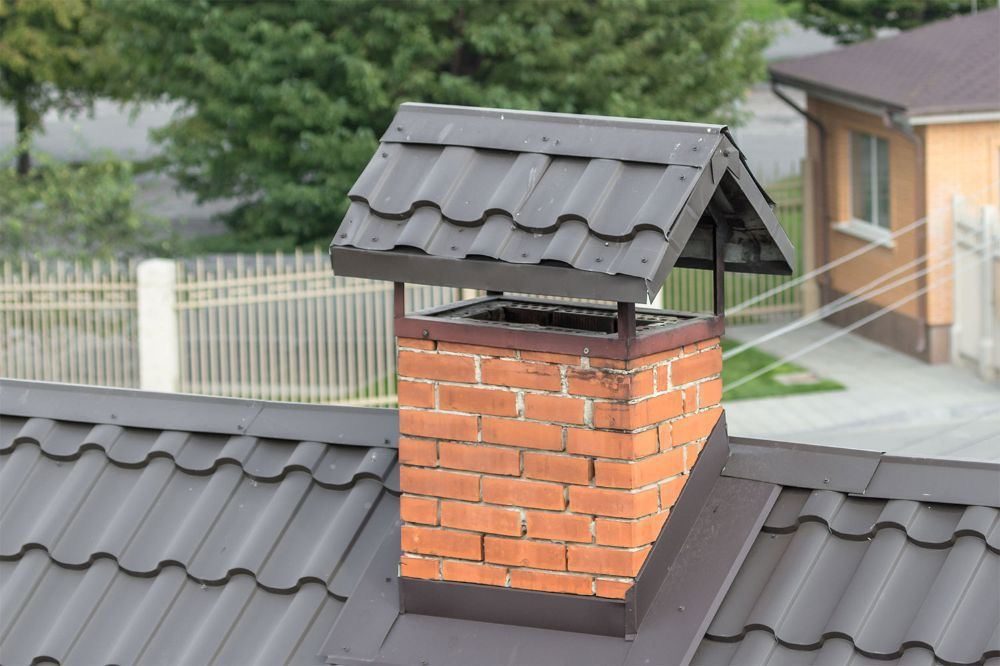
One loose brick may be a localized issue. Many spalling bricks, widespread missing joints, movement, repeated water entry or a failing crown may point to a larger concern. A professional should evaluate the structure rather than count cracks from the street. Condition below roofline and the relationship to the flue can matter too.
Do not climb on the roof to pull at a brick. From the ground, photograph fallen pieces, new exterior staining or a change in the chimney's apparent shape. If a part appears unstable, keep people away from the area below and arrange prompt professional evaluation. Avoid using the fireplace until the system's condition has been assessed.
Chimney masonry repair may still be part of the answer when damage is limited. The question is whether the material left behind provides a sound base for the proposed repair.
Water can make repeated patching frustrating
A mortar patch may fail repeatedly if rain continues to enter through a damaged crown, cap or roof connection. A rebuild can also fail to solve an indoor stain if flashing is left defective. Either decision should follow a water-path assessment when moisture is part of the complaint.
In South Florida, frequent warm-season rain can expose a weak detail many times. Near the coast, metal caps or flashing may face additional wear. These regional conditions do not mean every older chimney needs rebuilding. They make it important to separate water entry, material deterioration and structural condition.
Ask whether the estimate includes a new crown, cap, flashing coordination and treatment of the masonry interface. A scope that rebuilds brick but ignores why it got wet can leave the owner disappointed.
The flue is its own question
The visible brick stack and the interior flue are related but not identical. A chimney may need exterior masonry work while the flue remains suitable, or an internal venting problem may exist when the outside looks acceptable. Level 2 chimney inspection or another appropriate evaluation may be recommended when conditions warrant a deeper look.
If a rebuild is proposed, ask what happens to the flue and connected appliance during and after the work. Will the same liner remain? Does it need additional evaluation? What access is required? A contractor should explain the entire affected system rather than talking only about the exterior brick that homeowners can see.
Do not light a fire to see whether a structurally questionable chimney still draws. Draft is not a structural test and does not prove gases are following a safe route.
Partial versus full rebuild
A partial rebuild may address a failed section above a sound base. A larger rebuild may be considered when damage extends farther or the remaining structure is unsuitable. The exact boundary and engineering or permit requirements depend on the actual home and local rules. Avoid a universal number of courses or feet from a blog article.
Ask the contractor to show the intended start and stop points on photographs. What will support the new work? Which materials will be reused? How will the top shed water? Is roof work coordinated? If hidden conditions could change the scope, how will that be documented and approved?
Two estimates can differ because one assumes a sound base and another includes work lower down. Clarify the inspection findings before comparing prices. Do not choose the lowest figure if it leaves an essential damaged section behind.
Cost and disruption deserve plain language
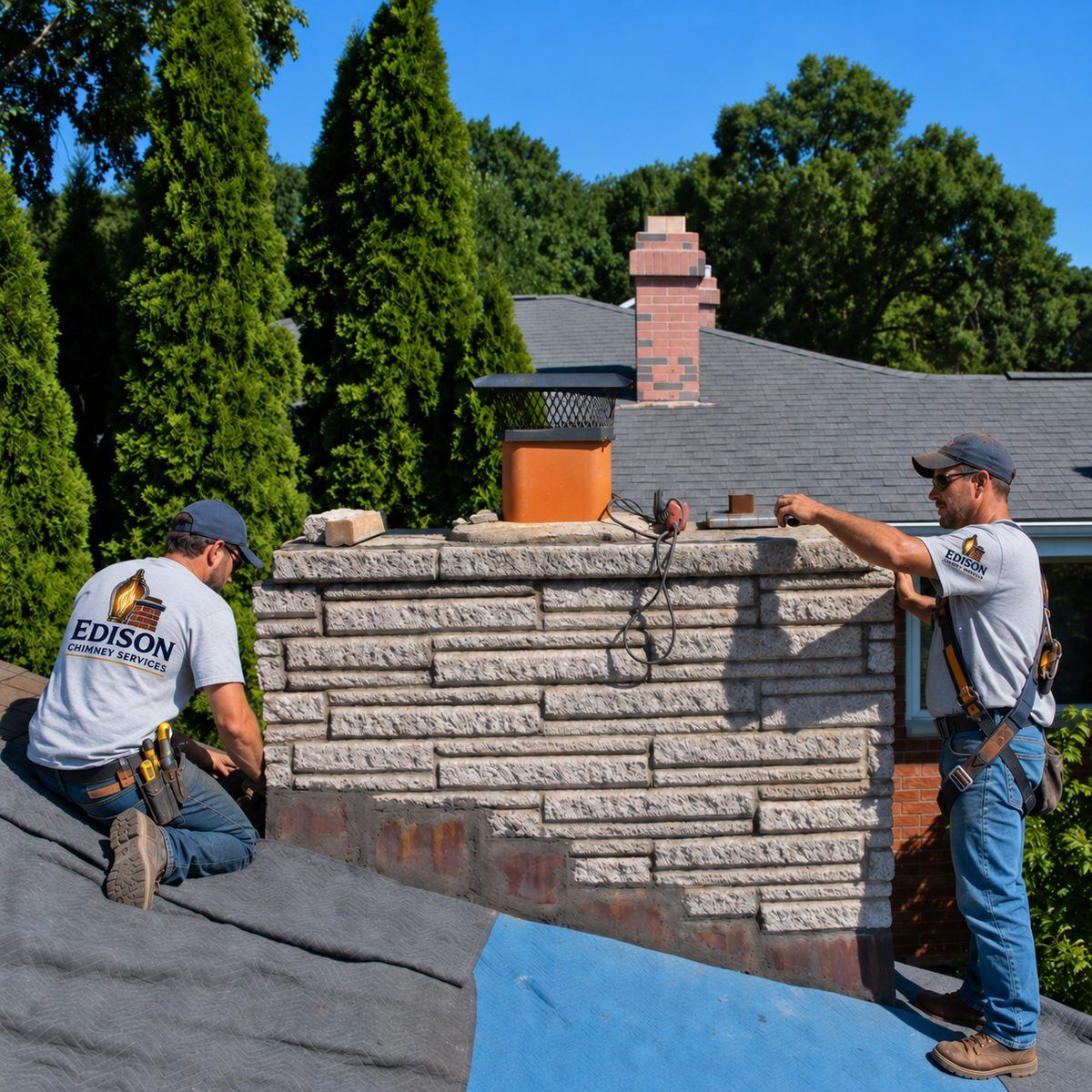
A rebuild may involve roof access, temporary protection, removal of damaged material, new masonry, a crown, cap and coordination around flashing. Size, access, material selection and hidden condition affect the quote. A focused patch has a smaller scope, but it should also have a stated purpose and realistic limitation.
Ask how the home and roof will be protected during work and what happens if rain arrives mid-project. Ask whether the fireplace must remain unused until inspection and completion. For a condo or HOA property, determine who authorizes exterior work before a crew is scheduled.
Keep dated before, during and after photographs. They help you see what was actually repaired and provide a baseline for future inspections. A short written explanation of the materials and work is more valuable than a promise that “everything is new” when only part of the stack was changed.
When a second opinion is especially useful
A major rebuild is a substantial project. If the finding is not obvious to you, ask for photos, an explanation of the affected area and a written scope before agreeing. A second qualified opinion can help distinguish a broad structural concern from a local defect. Provide both professionals the same history and symptoms so their recommendations can be compared fairly.
A second opinion should not be a hunt for the cheapest answer regardless of evidence. Ask what each inspector could access. One may have a close roof view while another judged from the ground. One may have evaluated the flue and the other only exterior masonry. Differences in access can explain differences in scope; neither estimate is truly comparable until those gaps are understood.
What a good finished project record looks like
The record should identify the part of the stack rebuilt, materials used, crown and cap work, any roof coordination, photographs of the stages and whether the flue was evaluated afterward. It should state what was outside the job. If interior water damage needs separate work, note that too. A finished chimney photograph from the street cannot show every concealed detail.
Keep the record with the home's roof and fireplace documents. If a stain reappears during a later South Florida storm, dates and before-and-after photos help everyone evaluate whether it is the old path, a new roof issue or another part of the system. Documentation will not prevent weather, but it makes the next decision clearer. A major repair should leave the homeowner understanding what changed, not just looking at new brick.
Stage the decision when the condition is still hidden
An exterior chimney can look worn while concealed sections remain unknown. If the visible evidence supports opening a limited area before setting the final scope, ask how that discovery step will be priced and documented. A contractor should explain what condition would justify repairing the existing masonry, rebuilding only the top, or replacing a greater height. This protects both sides from treating a guess as a fixed diagnosis.
Ask what happens to the flue, cap, crown and roof connection under each option. A partial rebuild may meet sound masonry below; a larger rebuild may involve vent components and coordination with roofing work. The comparison should include access, protection of the house, disposal, materials, the point at which the structure is closed and how water is directed away afterward. If permits or another qualified trade are required, clarify who handles them before approving work.
When repeated patches have failed, bring dates and photographs of the original symptoms and earlier repairs. A new contractor can then look for the shared water route or underlying defect. Rebuilding can be the responsible choice in some conditions, but it should follow a documented finding and a comparison with a targeted repair. The finished report should state the actual extent of work, not simply “chimney rebuilt,” so future inspections have a reliable baseline.
A decision based on evidence
A local repair is reasonable when it addresses a limited defect on a sound structure. A rebuild becomes more plausible when damage is widespread, the remaining material cannot support a durable repair or repeated patches have not addressed the underlying cause. Neither outcome should be decided from a single indoor stain or one distant photo.
Ask for the findings, alternatives, tradeoffs and limits in writing. Edison Chimney Services can inspect the system and discuss whether a focused repair or broader work fits its condition. Call 954-408-2734 or use the form with your ZIP code and what you have observed.
This guide is general information for South Florida homeowners, not a diagnosis of your specific system. If a fireplace shows smoke indoors, an unusual odour or any sign of unsafe operation, stop using it and request an assessment.