Seasonal Home Care
Who Maintains a Fireplace in a Condo or HOA Property?
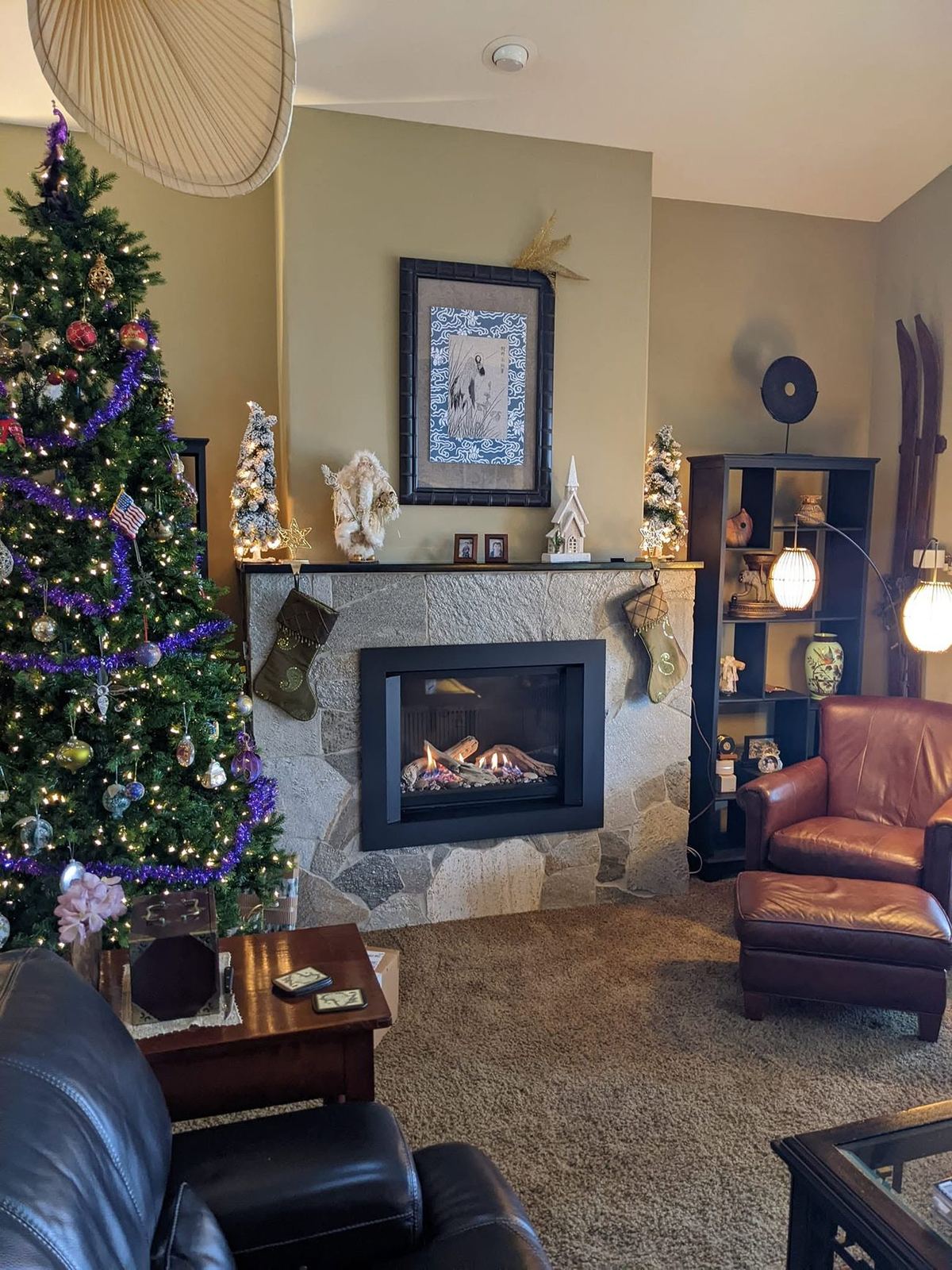
Your fireplace may be in your unit while its vent reaches a shared roof. Learn the access and responsibility questions to settle before service.
The fireplace is in your living room; the vent may not be
A condo owner can see and use a fireplace inside the unit, yet the vent may pass through a wall or reach a roof controlled by the association. A townhome community may have its own rules about roof access. These arrangements change what can be inspected during one visit, who authorizes exterior work and how a repair is coordinated. There is no universal answer for every South Florida HOA.
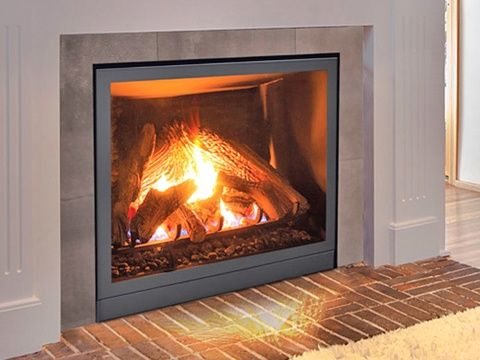
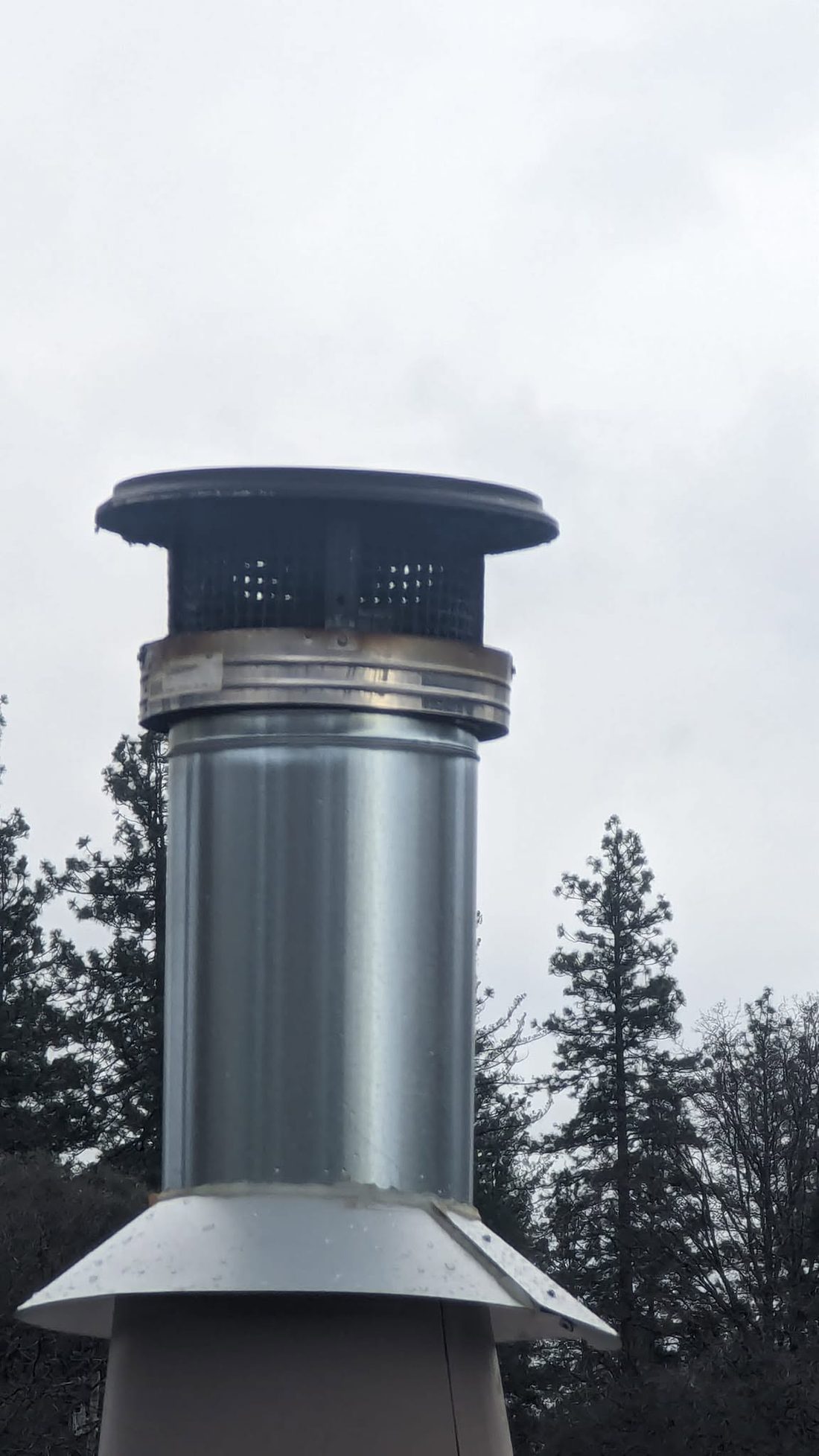
Before scheduling fireplace repair, identify the equipment and the property arrangement. Is it a gas appliance with a manufacturer label? A wood-burning masonry fireplace? A factory-built unit in a chase? Does the vent terminate on a roof, an exterior wall or another location? If you do not know, share a safe photo and ask for help identifying it. Do not remove a panel or enter a shared mechanical space just to answer a form question.
Next, ask the property manager for the actual rules. The declaration, maintenance agreement and association policy may assign different responsibilities to the unit owner and association. A chimney company can explain the technical condition it sees, but it cannot determine ownership of the repair from a website article.
Start with documents rather than assumptions
Find the owner's manual, any inspection report, a record of a previous service visit and association guidance on roof or exterior access. If the building was converted or renovated, ask whether the equipment changed. A gas log set and a sealed gas fireplace may look similar to a casual observer but require different maintenance and venting.
A good question to the association is: “Who grants access to the termination or chimney top for inspection, and what notice is required?” Ask whether a contractor needs proof of insurance, a scheduled roof-access window, an escort or a specific approved trade. Do not assume a technician can simply arrive and climb onto a shared roof. Clarifying this before the appointment can avoid an incomplete visit and an extra charge.
If the association says it maintains the exterior, still tell them about a symptom in your unit. An interior stain or odor may be the first sign of a problem they cannot see from outside. Keep a dated photograph and send the observation through the usual maintenance channel.
Separate the system from the finishes
A fireplace problem can involve the appliance, its vent, surrounding wall, roof penetration or water entering from nearby building materials. The decorative mantel and painted surface are not the whole system. If a ceiling stain appears after rain, an inspector may need access beyond your living room. If a gas unit fails to ignite, the issue may be inside the appliance, but a professional may still need to evaluate venting.
Ask the person assessing the problem to say what was observed, where it is located and what remains inaccessible. A report that cannot reach a roof termination should state that limit. Gas fireplace inspection is most useful when the actual model and access are known; a room-only view may not answer an exterior vent question.
For a shared building, a clear diagram or photographs can help everyone communicate. Label the unit, vent route if confirmed and area of visible concern. Avoid drawing a route through walls based on a guess. The building may have as-built records or a manufacturer installation plan.
When an odor or alarm changes the priority
If you smell a strong natural-gas odor, leave the area and call 911 and the gas utility from a safe place. Do not wait for HOA approval or submit a routine service form first. If a carbon monoxide alarm sounds, leave and follow emergency instructions. Carbon monoxide has no smell, so an odor-free room does not rule it out. Tell the association after emergency responders have been contacted.
For a non-emergency musty smell or a stain after rain, keep the fireplace off until the concern is evaluated. Note whether the symptom is limited to your unit or whether neighbors report something similar, but do not enter another unit or promise a shared cause. A series of nearby symptoms may be useful to the property manager and inspector.
Avoid operating a questionable fireplace repeatedly to demonstrate the problem. A written timeline, photos and model number are often enough to begin a visit. The technician can then choose an appropriate diagnostic approach.
What the service scope should say
Before authorizing work, ask: Is the inspection limited to the unit? Will the exterior vent or roof be accessed? Who arranged permission? Does the quote cover appliance parts, chimney components, roof materials or only a diagnosis? If a second trade is required, who coordinates it? A good written scope prevents the unit owner and association from assuming the other party has handled a critical step.
If a part needs replacement, confirm it matches the actual model. Many factory-built and gas systems have manufacturer-specific components. A generic screen, glass front or vent fitting can be inappropriate even if it appears to fit. Ask for the model and proposed part information in the service record.
If the association plans exterior work, share the fireplace inspector's findings before a roofer or siding crew begins. Conversely, tell the fireplace professional about any recent roof work. Timing can explain a new water symptom but does not prove fault.
A seasonal-home complication
South Florida buildings include many homes occupied for only part of the year. A fireplace may sit unused while a slow water problem develops. If you are away, arrange for someone authorized to report a new stain or musty smell. Keep the manual and service history accessible to the person managing the property. Give clear instructions that a guest should not light an unverified fireplace.
A quiet season does not automatically require an expensive overhaul. It does mean the next use should not rely entirely on a memory of how the unit behaved the year before. Ask what inspection is appropriate for the equipment and its history, and settle roof access early if an exterior check is needed.
Document who approved the visit and what areas were inspected. If a problem spans unit and shared structure, a clear record is more valuable than several people repeating different versions of a phone conversation.
Make a shared-access appointment work
When scheduling, ask the manager for the name and phone number of the person who can open the roof or equipment room. Confirm the access window and whether keys, an escort or advance paperwork are needed. Give the technician that information before the visit. If roof access is unavailable, ask which interior observations can still be made and whether a second visit will be required.
Afterward, request a report that labels each finding by location: inside your unit, along the vent path if visible, or on a shared exterior component. This can help the owner and association discuss responsibility without asking the technician to interpret governing documents. It also reduces the chance that each party assumes the other has already approved a repair.
Name the system when you ask for permission
A condo request saying only “fireplace repair” may not tell the manager whether the contractor needs entry to the unit, a shared roof or another resident's area. Give the unit number, equipment type if known, the symptom, the proposed inspection areas and the contractor's access request. Ask the association what documents it needs before work and who may authorize roof access. For some buildings, the chimney path may pass through spaces that an individual owner cannot enter without an escort.
If the problem is water, preserve photographs of the stain and note the rain dates. If there is a smoke or gas safety concern, stop using the unit and follow emergency guidance if appropriate; a paperwork dispute should not be resolved by continuing to operate a questionable system. For ordinary service, get the permission and scope in writing. A report that shows which component was observed gives both the owner and the association a more concrete basis for deciding the next step under their documents.
A useful first message to the manager
You can say: “We have a fireplace in Unit ___. There is a stain beside it after rain / the gas unit is not operating normally. A contractor may need to see the exterior vent or roof area. Please tell me the access process and which portions the association maintains.” Attach a dated photo and the appliance model if known. Ask for the response in writing.
The manager may not know the technical answer immediately. That is fine. Their role in this step is to provide access and responsibility information. The technician's role is to identify the system and describe its condition within the inspection scope. Keeping those roles distinct helps the repair move forward.
Edison Chimney Services can discuss the equipment and what access a visit may need. For a non-emergency question, call 954-408-2734 or use the form with your ZIP code and property type. Bring the association's access instructions to the scheduling conversation.
This guide is general information for South Florida homeowners, not a diagnosis of your specific system. If a fireplace shows smoke indoors, an unusual odour or any sign of unsafe operation, stop using it and request an assessment.