Parts & Repairs
A Damper That Will Not Close Properly
A hard-to-move damper can affect comfort and fireplace operation. Learn the difference between a throat damper and a top-sealing option before choosing a repair.
First identify which damper you have
A damper is a movable part that controls an opening in a fireplace system. Many older masonry fireplaces have a throat damper above the firebox. Some systems use a top-sealing damper at the chimney top. The location, operation and repair options are different. A homeowner saying “the damper is stuck” has given a useful symptom, but not yet a complete description of the equipment.
If a damper will not open fully, do not light a fire. Smoke and combustion gases need a suitable path out of the home. If it will not close, the issue may affect unwanted air movement, odors or rain entry depending on the system. Chimney damper repair should start by identifying the damper type, condition and cause of the problem.
Do not force a handle with a tool or climb up to a top-sealing unit. A bent linkage, corrosion, debris or deterioration elsewhere can all make a damper behave oddly. Applying force may create another problem without revealing the cause.
A throat damper lives near the firebox
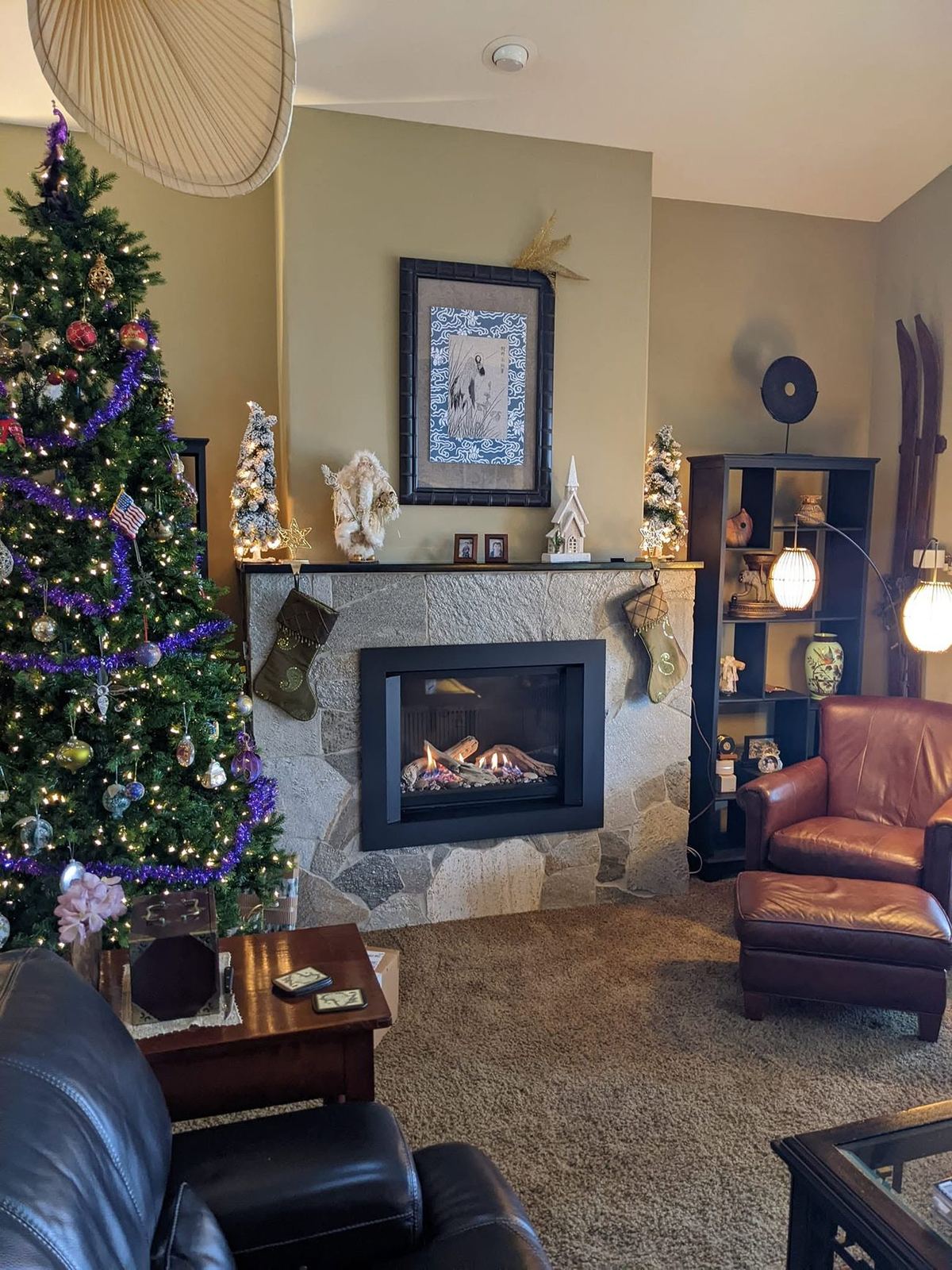
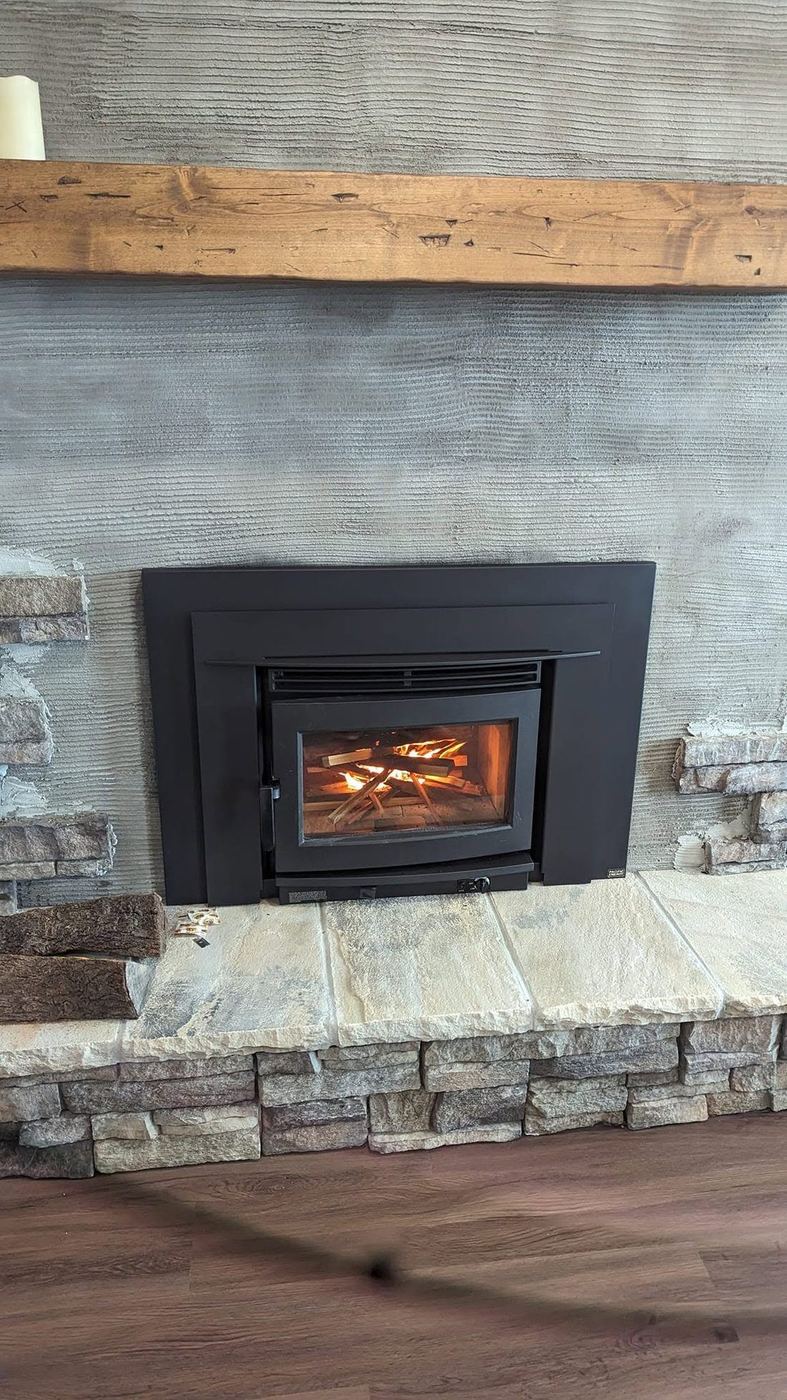
In a typical masonry fireplace, the throat damper is above the opening where it can be operated from the room. Deposits, wear or corrosion may make its plate difficult to move. A professional can inspect the accessible mechanism and the surrounding area to see whether cleaning, repair or replacement is appropriate.
A homeowner can note how the handle feels and whether the plate appears to move from a safe viewing position. Do not put your face into the smoke passage or work inside a sooty fireplace without appropriate protection. If you cannot tell whether the damper is open, leave the fireplace off and ask for help. The correct position for use should be explained during the service visit.
A throat damper that closes does not necessarily seal the chimney as tightly as a new window. That does not automatically make it defective. Compare the actual function and condition with your concern rather than purchasing a new product because an advertisement promises a perfect seal.
A top-sealing damper works differently
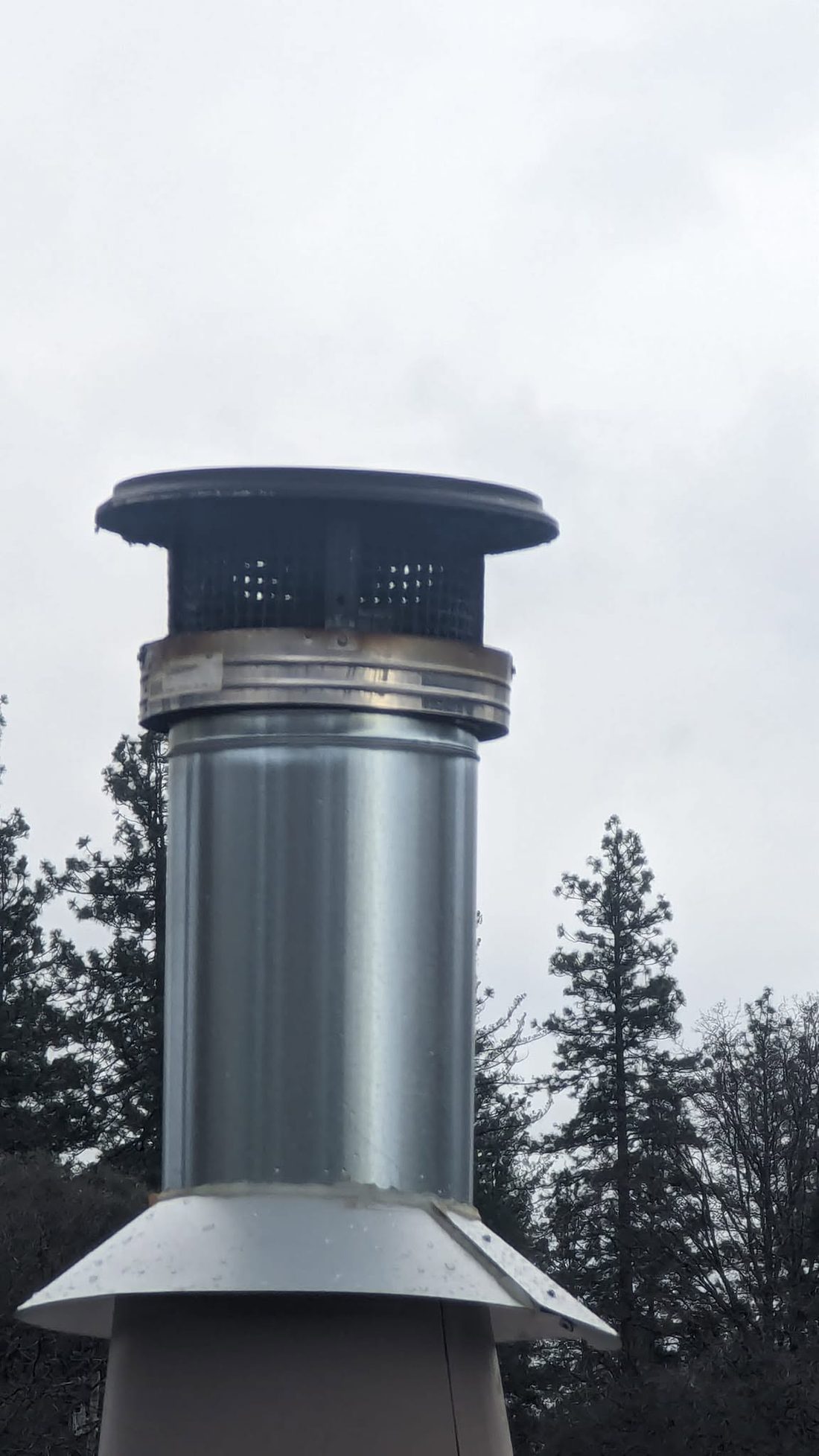
A top-sealing damper is installed at the chimney top and is typically operated by a cable or similar control from below. It may be discussed when an existing throat damper is worn or when a homeowner is concerned about air and odor entering through the flue while the fireplace is not in use. It has to suit the flue and the appliance served.
A professional should identify whether a top-sealing option is appropriate for the system. It cannot be selected solely because it appears to solve a room draft. A gas appliance or gas log set may have specific venting requirements. The manufacturer's instructions and actual installation must be considered before changing how the top of a flue closes.
Ask how the top unit would be mounted, how it is operated, how it interacts with the cap and how it can be inspected later. A product may be useful for one fireplace and unsuitable for another. Chimney cap installation can also be related, but a cap and damper perform different jobs.
The smell or draft may have more than one source
A musty odor near a fireplace may come from water, debris, soot or air moving down a flue. A damper that does not close may make the odor more noticeable without causing the water entry at the top. Likewise, a cold sensation near the hearth may involve the damper, room pressure or a gap elsewhere. Replacing the visible control may not solve all of it.
Tell the technician when the symptom occurs. Is it after rain? When the air conditioning or kitchen exhaust runs? In a vacant seasonal home? Do you see water marks or debris? Those clues may prompt chimney odor troubleshooting or a broader inspection in addition to damper work.
Do not mask an odor with fragrance and assume the system is ready for use. If there is smoke spillage or a carbon monoxide alarm, stop using the fireplace and follow emergency guidance. An ordinary damper appointment is not an emergency response for an alarm.
South Florida's long idle months
A wood fireplace here may be closed for much of the year. Rain and humidity still reach the exterior top, and an unused flue can accumulate debris if it is not properly protected. A stiff damper discovered on the first cool night should not be forced open so guests can enjoy a fire. Plan a check ahead of the season.
If the home is near the coast, exposed top components and fasteners may face more corrosion. A throat damper inside the structure has different exposure. Ask the professional which part is actually deteriorated instead of assuming coastal air explains every stuck mechanism.
A top-sealing damper can also be affected by weather. If it no longer responds to its control, the issue may be at the cable, seal, hinge or mount. A roof visit should be planned safely rather than attempted by the homeowner.
Questions for the repair estimate
Which damper is installed now? What is preventing normal operation? Is the plate or its support sound? Would a focused repair restore use, or is a replacement more appropriate? If proposing a top-sealing unit, is it compatible with the vent and fuel? What happens to any existing cap? Will the professional document its open position and show you how to use it?
A clear estimate distinguishes material and installation from a broader chimney inspection. If the flue has deposits, damage or water intrusion, ask whether these are separate findings. Replacing a damper does not clean or reline a chimney.
After the visit, keep a photo of the operating control and written instructions for everyone in the household. If the fireplace is in a rental, make sure guests are not expected to guess the position. A simple instruction can prevent accidental use with a closed damper.
Operation and maintenance after a repair
Ask the technician to show you the normal open and closed positions of the repaired damper while the fireplace is cold. If the control is a cable, ask how it should feel and what change would signal a problem. If it is a throat handle, ask whether any ordinary cleaning is recommended by the product or system instructions. Keep a simple written note near the appliance manual, not a sign that could be mistaken for permission to use an uninspected fireplace.
A damper can be left open accidentally when the fireplace is inactive or left closed before someone lights a fire. In a seasonal home, that is an easy mistake when different people visit at different times. Make sure anyone authorized to operate the fireplace knows the control, but do not ask an untrained guest to force a stuck one. If the unit has gas logs, confirm the exact venting and damper requirements for that product before giving instructions.
After a damper repair, pay attention to the symptom that led to service. Does the plate move normally? Is an odor after rain still present? Does a stain grow? The repair may have corrected the mechanism while another water or air-movement issue remains. Report that distinction to the technician. It helps determine whether the original work failed or whether the damper was only one part of the problem.
A damper is one part of the air path
Suppose the handle moves normally but cold air still seems to enter the room. The damper might not seal fully, yet the sensation could also be affected by another opening, room pressure or the fireplace design. Ask for an explanation of what was observed at the damper itself. A photograph of a plate that is bent or a cable that no longer moves is stronger evidence for a specific repair than a general complaint of draft alone.
For a top-sealing damper, ask how it works with the existing cap and chimney top. A modification at the top can affect how the system opens and closes, so the proposal should name the hardware and the passage it serves. For a throat damper, discuss access and whether deposits or corrosion need to be addressed before deciding on replacement. If the fireplace has a gas log set, do not assume that the same closed position is appropriate for that installation. The manufacturer's requirements and applicable professional assessment govern the answer.
After a repair, have the technician demonstrate the control while everything is cold. Write down the normal position before the next winter evening. A clear operating instruction is a practical part of the job.
A practical decision
Do not use a fireplace whose damper will not open properly. For a damper that will not close, describe the air, odor or water concern as well as the mechanical symptom. Ask for an evaluation of the actual damper and related components. The answer may be repair, replacement or a broader inspection.
Edison Chimney Services can discuss the symptoms and a suitable service visit. Call 954-408-2734 or use the form with your ZIP code and the type of fireplace if known.
This guide is general information for South Florida homeowners, not a diagnosis of your specific system. If a fireplace shows smoke indoors, an unusual odour or any sign of unsafe operation, stop using it and request an assessment.