Cleaning & Inspections
Lighting a Fireplace After a Long Florida Summer
Before the first cool evening, check what months of disuse, rain and humidity may have changed around a wood or gas fireplace.
The first cool evening is a poor time to discover a problem
A fireplace in South Florida may go untouched through months of warm, humid weather. Then a cooler night arrives and someone wants to light it right away. It is an understandable impulse, especially if the fireplace looked fine the last time it was used. But the appearance of the room cannot tell you what changed in the flue, on the roof or inside a gas appliance while it sat idle.
A little preparation before that evening gives you time to ask questions. Rain may have exposed an exterior defect. Debris may have entered an open flue. A damper may no longer move as it did. A gas unit may have a control issue that needs a person familiar with the model. None of these is a reason to assume your system has failed. They are reasons to approach the first use as a check, not a test fire.
If you see water, nesting material, damaged firebrick, a broken glass panel or signs of a previous chimney fire, do not light the fireplace. Arrange chimney inspection or the appropriate appliance evaluation before use. An inspection is especially useful when you cannot say when the system was last checked.
Start with the room and the owner's manual
Begin where you can stand safely. Look at the firebox or appliance front in good light. Note loose material, discoloration, a new stain, debris and any odor. Take a photograph of the whole opening and a close-up of anything that concerns you. Do not put your head into the flue, remove secured gas components or go on the roof. A homeowner's observation is useful without becoming a do-it-yourself service visit.
Find the manual if you have one. A factory-built or gas fireplace has model-specific instructions for operation, maintenance and replacement parts. A label can help identify it, but only look where it is safely accessible. If the home changed hands, ask the seller or property manager whether there are prior inspection notes. An older report does not certify today's condition, yet it can tell a technician what kind of system was present and what was previously recommended.
Check that smoke and carbon monoxide alarms are present and working according to their instructions. Carbon monoxide has no odor, so a normal-smelling room is not a safety test. If an alarm sounds, leave and call emergency services. This is not a situation for a service request form.
A wood-burning fireplace needs a clean path
A wood-burning system needs a clear, suitable route for combustion products to leave the home. Soot and creosote can accumulate with use, while a flue that has been idle can still collect debris or admit rain if the top is not protected. The number of fires you remember having last winter is only part of the picture. An inspection can consider deposits, visible damage and whether cleaning is needed.
Chimney sweeping removes deposits and debris from the parts it is meant to clean. It does not repair cracked masonry or prove that every hidden component is sound. Ask what was inspected along with the cleaning and whether anything needs separate attention. A good report makes that distinction understandable.
When the system has been evaluated for use, follow the appliance instructions and burn only suitable dry wood. The U.S. Environmental Protection Agency advises using dry, seasoned wood to reduce smoke. Do not burn trash, treated wood or cardboard packaging to clear a chimney. A large, smoky fire is not a cleaning method. If smoke enters the room, stop using the fireplace and have the cause assessed.
Gas units are not “maintenance-free”
Gas fireplaces can be convenient, but they still have burners, controls, glass, venting and manufacturer-specific requirements. A unit that worked months ago may need a check before a new season of use. Dust or a small operating issue may be straightforward, while an unexplained odor or ignition problem deserves more careful evaluation. Do not keep trying to light a unit that will not operate normally.
Know the difference between maintenance and an emergency. If you smell a strong rotten-egg or sulfur-like odor suggesting natural gas, leave immediately and call 911 and the gas utility from a safe place. Do not use switches or try to locate a leak. If a carbon monoxide alarm sounds, get outside and follow emergency guidance. For a non-emergency issue with the unit off, gas fireplace inspection can examine the model, symptoms and appropriate next step.
A gas log set in a masonry fireplace, a direct-vent insert and a factory-built fireplace are not the same product. Do not rely on an online “reset” video for a different model. Tell the technician what equipment you have, or say that you are unsure and provide a safe photo of the front and model label.
Rain and humidity can matter even when no fire was lit
South Florida's warm season brings frequent showers and thunderstorms. Water can enter through a cap, crown, chase cover, masonry or roof connection, depending on the structure. It may leave a mark high on the wall, damp material in the firebox or a musty smell that appears after rain. A short dry spell can make the stain less obvious without fixing the source.
If you notice a water pattern, photograph it and note the date before repainting the wall or cleaning every trace away. Do not assume a closed damper keeps the whole system dry. The damper is only one component. Chimney leak repair should address the route water takes, not just the visible finish indoors.
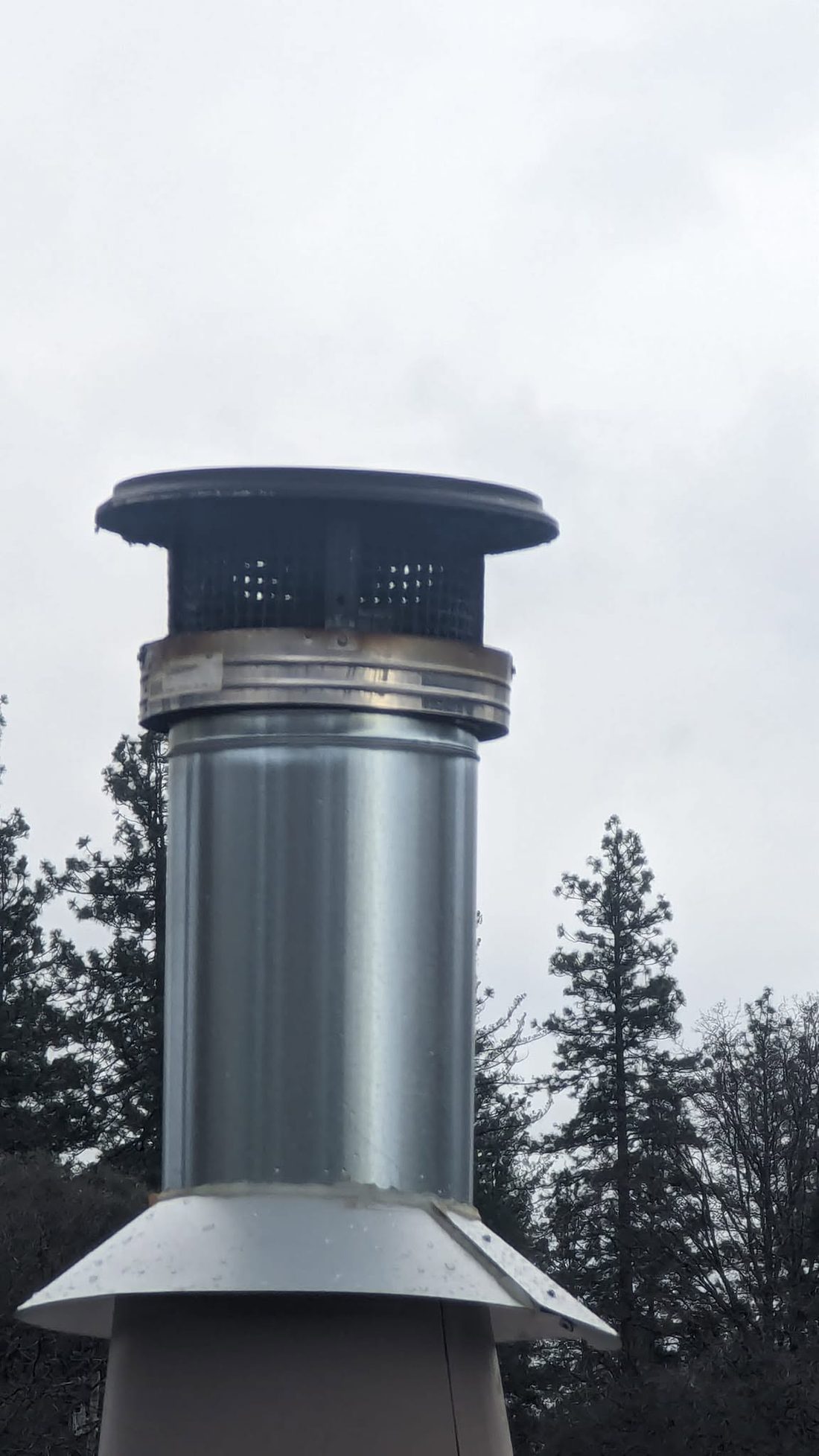
Coastal air may add wear to exposed metal, but do not generalize from the neighborhood to the condition of your cap or chase. A close inspection of the actual part is more useful than a claim that all South Florida chimneys rust. If the fireplace is in a condo or managed property, check who can authorize roof access before scheduling exterior work.
An easy preparation list for homeowners
A week or two before you expect to use the fireplace, gather the manual, any prior inspection notes and the approximate date of last use. Look from the room for water, debris and damage. From the ground, note whether a cap appears missing or shifted, but do not climb for a closer look. Test alarms according to their instructions. If the fireplace uses gas, find the model information without taking it apart.
Next, write down questions: Has the flue been checked for obstruction? Does the unit need cleaning? Is the damper functioning? Are the visible cracks cosmetic or related to a damaged component? What is safe to do now, and what must wait? These questions help a technician focus on the actual system. They also give you a way to understand a recommendation instead of accepting a vague “tune-up.”
If someone else owns or manages the property, share the observations with them. A seasonal home may have a long gap between use and the next visit. A short record of what was seen, when it rained and what service was performed prevents details from being lost.
What to expect from an inspection conversation
The scope depends on the kind of fireplace and why the visit was requested. A routine check of an unchanged system is not the same as a deeper evaluation after a property sale, damage or a change in equipment. Ask the professional to explain what was accessible, what was examined and what was not. If a camera scan or a more involved inspection is recommended, ask what question it is meant to answer.
A responsible recommendation may be simple cleaning, a particular repair, further investigation or an instruction not to use the system until a defect is addressed. The answer should connect to observable conditions. “It is old” by itself is not enough to explain why a component needs replacement. Conversely, “it looks clean” from the room is not enough to rule out a problem in the flue.
Keep any photos and report. They help the next person understand the system's condition and can make future changes easier to spot. Ask how often the equipment should be checked in light of your use and the manufacturer's instructions, rather than assuming there is a universal schedule for every type of fireplace.
Enjoy the fireplace after you know what you have
The aim is to enjoy a cool evening without treating the first fire as a diagnostic test. Give yourself time to identify the appliance, notice visible changes, and arrange service where the history is uncertain or a symptom appears. Never use a flame to test a suspected leak or blockage. If there is an emergency gas odor or an alarm, leave and call the appropriate emergency responders.
For a non-emergency seasonal check, Edison Chimney Services can talk through what you have noticed and help arrange an appropriate visit. Call 954-408-2734 or leave your name, phone number and ZIP code in the form.
This guide is general information for South Florida homeowners, not a diagnosis of your specific system. If a fireplace shows smoke indoors, an unusual odour or any sign of unsafe operation, stop using it and request an assessment.