Cleaning & Inspections
Does an Infrequently Used Florida Fireplace Still Need Cleaning?

“We hardly use it” is useful information, but it is not a complete maintenance plan. Learn the difference between a chimney inspection and a cleaning.
Low use changes the question; it does not end it
A South Florida homeowner may light a wood fire only on a few cool evenings each year. Compared with a house that burns wood every night for months, that sounds like a light workload for the chimney. It is. But “hardly used” is not the same thing as “nothing can change.” Rain, animals, debris, a damaged cap or an old repair can affect a flue while no fire is burning.
Cleaning and inspection answer different questions. Chimney sweeping removes appropriate soot, creosote and debris from a system when needed. Chimney inspection looks at condition, visible defects, accessibility and the reason for the visit. Often the two belong in the same maintenance conversation. Neither word should be used as a vague label for work no one explains.
The practical starting point is your history. When was the fireplace last used? How much wood was burned? What kind of wood? When was it last evaluated? Has there been a leak, renovation or storm damage? A professional can use that context and the current condition to explain whether cleaning is needed and what inspection scope is appropriate.
Deposits come from use, but condition can change without it
Wood fires create smoke and particles that move through the flue. Some materials can collect on the interior surface. The amount depends on fuel, fire conditions and the system, not merely the calendar. A fireplace used only a few times may have relatively little buildup, but it may still have other problems. An unused chimney with an open top can collect leaves or nesting material. A wet crown can allow moisture into masonry. A damper can become difficult to operate.
This is why “we did not burn anything last year” is helpful but not decisive. It might affect whether a full sweep is needed. It does not prove the chimney is clear or the structure sound. If you find debris, water, a persistent smell or signs of an animal, do not light a fire to see what happens. Ask for an assessment first.
It is also possible to need cleaning even when the room looks neat. The visible firebox is only the lower portion of the system. Conversely, dark staining near the opening is not by itself proof of a dangerously dirty flue. Avoid making either claim from a single photo.
What an inspection should explain
Ask the technician what kind of system you have and what areas are accessible for the proposed visit. Is it a masonry fireplace, a factory-built unit, or something else? Does another appliance share a chimney structure? Are there visible defects in the firebox, damper, flue or top? If the scope is limited, what would require a deeper look?
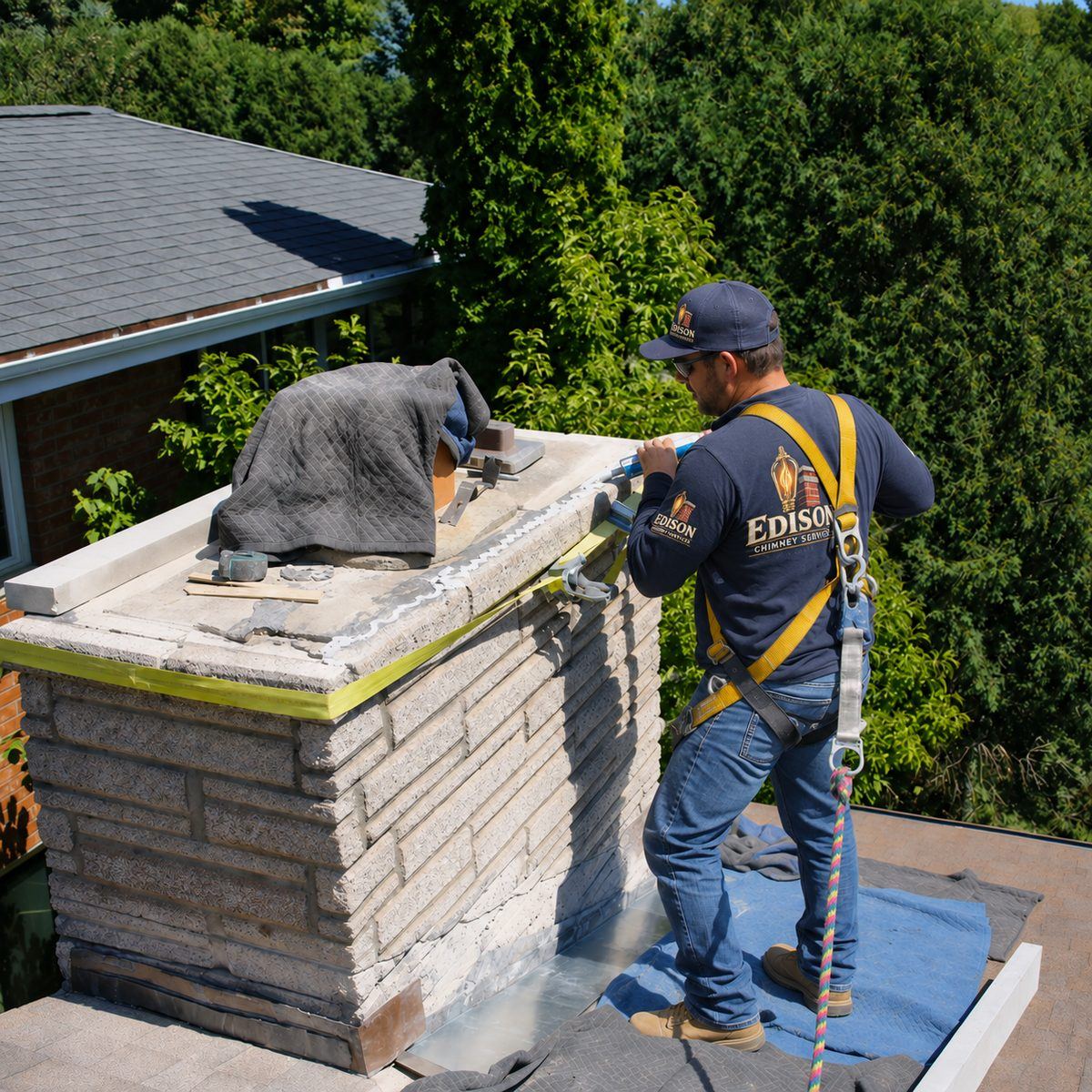
There are recognized inspection levels for chimney systems. A routine visit for an unchanged system differs from a more detailed evaluation after a property sale, a change in appliance, an event or a suspected defect. A homeowner need not memorize the definitions. Ask what the level includes and what problem it is intended to answer. A report should not say “passed” without explaining what was actually observed.
If a camera examination is suggested, ask why. A camera can help document areas that cannot be evaluated from the room, but it is a tool within a professional inspection, not a magic answer to every concern. The equipment, access and reason for inspecting should determine the method.
What cleaning does and does not do
A proper sweep addresses deposits and debris in the parts included in the job. The professional should protect the living area, explain the scope and tell you if something prevents a complete cleaning. Ask what was removed and whether the process revealed a damaged component. Cleaning may make the system more ready for use, but it cannot fill a crack, replace a cap or repair a leak.
Be careful with products marketed as a substitute for an inspection or sweeping. A product that changes a deposit does not tell you whether the chimney is blocked or structurally sound. The Chimney Safety Institute of America discusses this distinction in its homeowner materials. A maintenance plan should be based on an actual evaluation of the system.
If the fireplace burns gas rather than wood, do not assume a wood-flue sweep is the right service. Gas units have different equipment and manufacturer instructions. Tell the company what you have before booking, or send a clear photo of the appliance front and any safely accessible model label.
Florida weather is part of the maintenance history
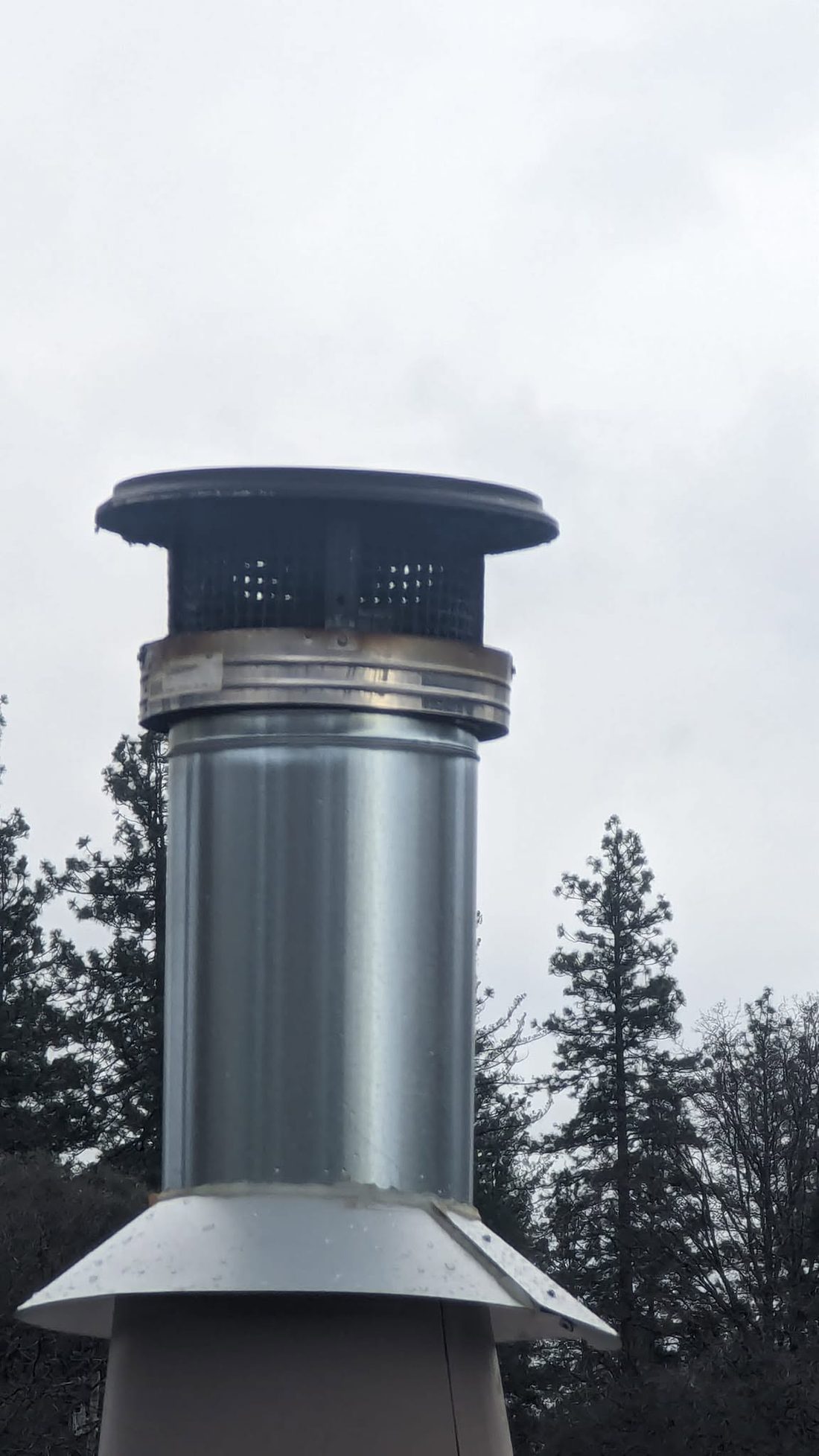
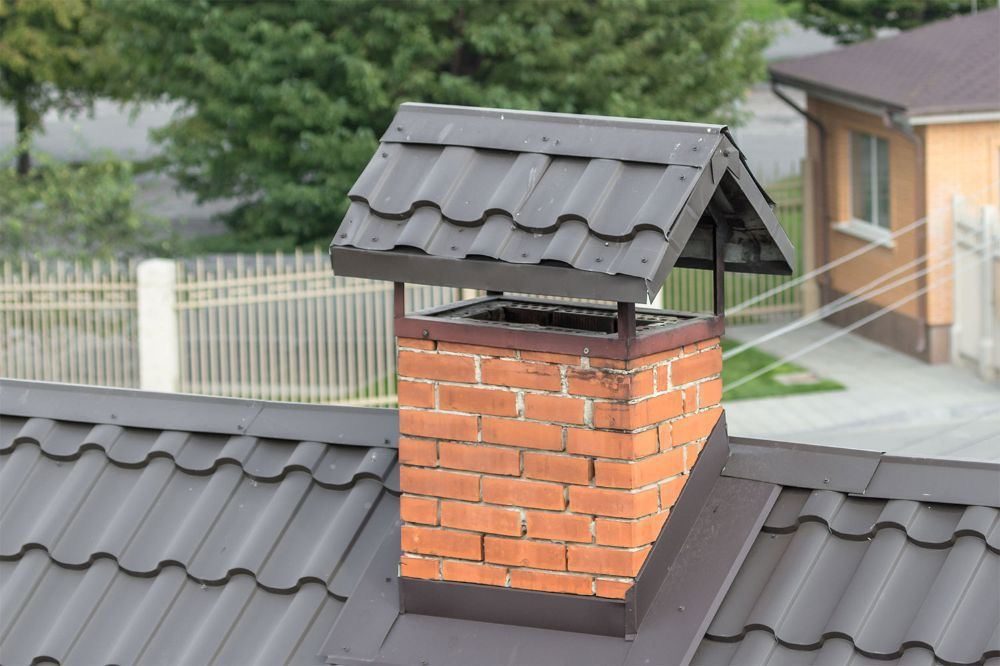
Warm, humid months and frequent summer rain are ordinary features of South Florida weather. Exterior details are exposed all year even if the firebox is quiet. A masonry chimney may have a crown, cap and roof flashing to check. A factory-built unit may have a chase cover and listed vent parts. These are different systems and should not be treated as one generic “chimney.”
If a stain appears after rain, record it before the room is repainted. If the firebox smells musty after a storm, mention it. If a cap was displaced during wind, do not assume the flue below is clear. These observations can shift the conversation from routine cleaning to finding a water or debris issue. They can also help avoid paying for a service that does not address your main concern.
Coastal homes may have additional wear on exposed metal. Inland homes can also have leaks or damaged tops. The neighborhood is context, not a diagnosis. A technician should look at the individual structure.
What to ask before booking
Start with a plain statement: “We use our wood fireplace about three times a year, and I do not know when it was last inspected.” Add any symptom. Ask whether the appointment includes an inspection, a cleaning, or both; whether additional findings will be discussed before extra work; and whether you will get notes or photos of important conditions. If the company cannot say what “service” includes, ask for a clearer description.
Find out whether the technician needs roof access or the owner's manual. If a condo association or property manager controls the roof, handle that permission early. Keep pets and children away from the work area, and make sure the fireplace has not been used immediately before the visit unless the company gives a suitable cooling interval.
Ask about the recommendation after the visit. Was cleaning actually needed? Was anything observed that changes the advice before future use? What could not be inspected? A useful answer helps you decide how to maintain *this* system, rather than repeating a rule meant for every fireplace.
A few common misconceptions
“We hardly use it, so a quick fire will burn out the cobwebs.” A fire is not a safe test for a blocked or damaged flue. “It was cleaned when we bought the house, so it must still be fine.” Cleaning then says little about changes since. “The hearth looks clean, so the vent is clean.” The part you see from the room is not the whole path. “A cleaning guarantees safety.” It does not replace an inspection of relevant components.
The opposite extreme is not helpful either. A company should not insist on sweeping a barely used fireplace without explaining what was found and why the work is recommended. Ask for a reasoned assessment. If there is an urgent sign—smoke entering the room, water damage, a carbon monoxide alarm or debris falling down—stop using the fireplace and address that concern first.
The right maintenance schedule depends on use, condition, equipment and manufacturer guidance. Professional organizations recommend regular inspections, but a real visit should still tell you what was observed at your home.
Keep the next season simple
Once you know what type of fireplace you have and have a clear service record, put a reminder in your calendar before the next cool season. Record whether the system was inspected, whether sweeping was actually performed, and any advice about use. That small note is more useful than a memory that someone “looked at it sometime last year.”
An invoice should name the work performed
When a crew leaves, ask whether the visit was an inspection, a sweeping, or both. Those are different services. If the flue was not swept, a clear record can explain why. If an obstruction or damage prevented normal cleaning, keep the finding and any use restriction in writing. The next person who works on the fireplace should not have to guess what the previous appointment covered.
The useful answer
An infrequently used fireplace may need an inspection even when it does not need much cleaning. It may need cleaning if deposits or debris are found. Do not choose between the two based solely on how many cool nights South Florida had last year. Give the professional your use history and ask for a clear scope.
Edison Chimney Services can help you sort out the next step for a wood-burning system and explain what the visit finds. Call 954-408-2734 or send the service request form with your ZIP code and any visible concerns.
This guide is general information for South Florida homeowners, not a diagnosis of your specific system. If a fireplace shows smoke indoors, an unusual odour or any sign of unsafe operation, stop using it and request an assessment.