Gas & Installation
Approved caps and guards — fitted only after a safe, removal-first process, never sealing an animal inside.
How do you keep animals out of a chimney the right way — without trapping one inside?
An uncapped or poorly capped flue is an open invitation to birds, squirrels, raccoons and other wildlife, especially during nesting season. Keeping them out is straightforward in principle — an approved cap or guard — but the order of operations matters enormously: you never seal a chimney without first making sure nothing is inside. Prevention comes after removal, not instead of it.
So animal entry prevention is really two steps: confirm the flue is clear (and safely remove anything that is not), then fit an approved cap or guard so it does not happen again.
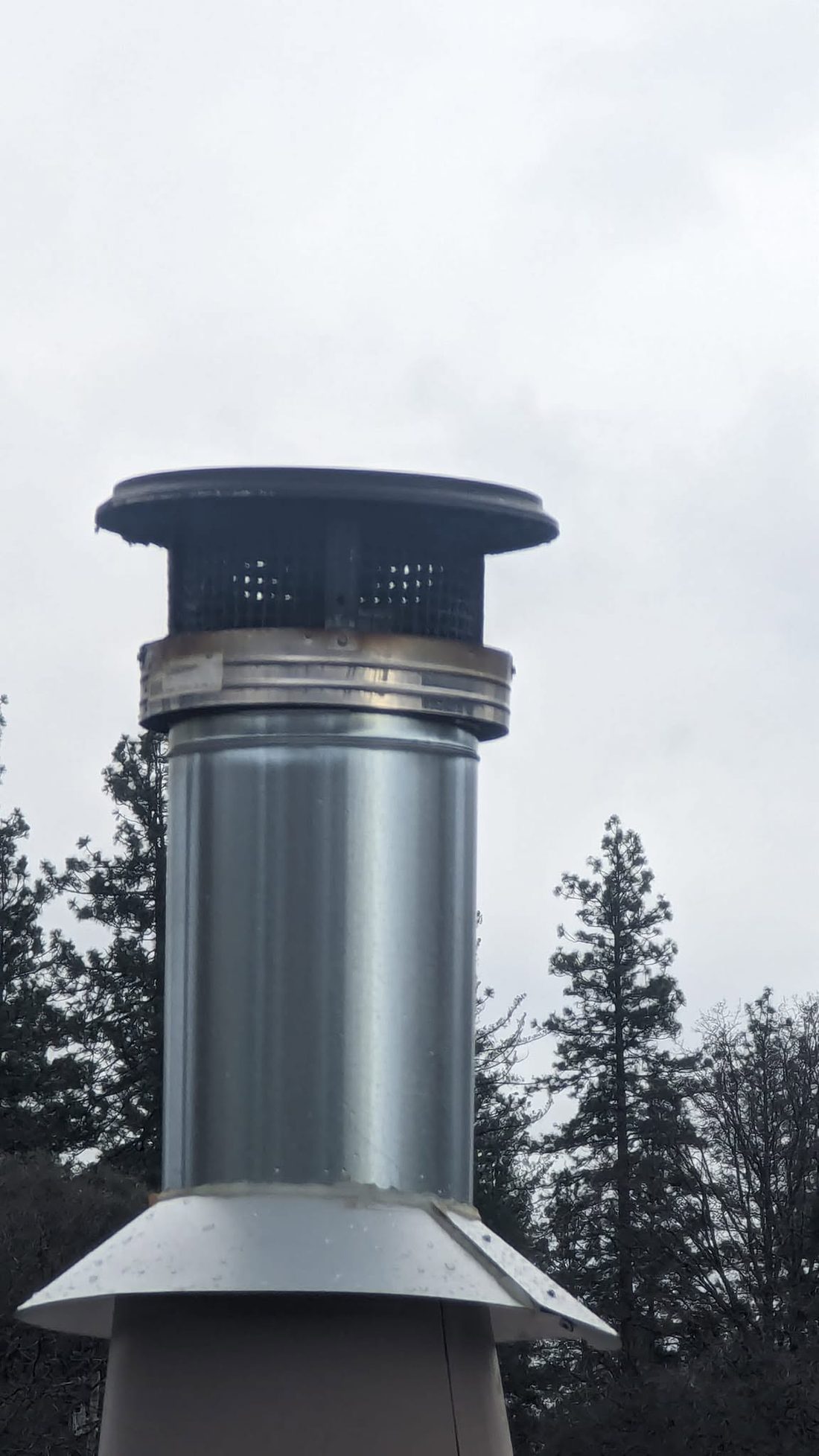
If there is any chance an animal or nest is in the flue, that has to be resolved before anything is sealed. Trapping an animal inside is both inhumane and a problem in its own right — a distressed animal, an odour, and a blockage. It also matters legally and seasonally, because young may be present during nesting season. The right first move is to confirm what is there and arrange safe, humane, lawful removal.
Never light a fire to “smoke out” an animal, and never cap a flue you have not confirmed is clear.
Once the flue is clear, an appropriate cap with proper screening — or a purpose-made guard — keeps animals out while still allowing the chimney to vent. The screening has to be sized and secured correctly: too open and it does not exclude wildlife, too restrictive or badly fitted and it interferes with the draft or admits water. Matching the cap to the flue is the same care that goes into any cap installation.
For coastal homes, the material matters too, since salt air is hard on exposed metal.
Animal entry often shows up first as a smell or a draft problem rather than a sighting. Nests block the flue, droppings create odours, and the whole situation can be mistaken for a chimney odour or draft issue. Preventing entry in the first place avoids that chain of problems — which is why a sound cap is one of the highest-value small investments on a chimney.
Timing is part of doing animal exclusion responsibly. During nesting season, a flue may hold young that cannot leave on their own, which makes confirming what is inside before sealing not just humane but necessary. The correct sequence — confirm, remove safely and lawfully, then cap — protects the animal and protects you from the mess and odour of trapping one in your chimney.
Once the flue is genuinely clear, a well-fitted, properly screened cap is one of the most cost-effective protections on the whole chimney, closing the door on the entire cycle of nests, odours and blockages that animal entry sets off.
We don’t quote prices online because the right scope depends on the system. These are the factors that usually move an estimate:
If you suspect an animal is in your chimney, do not light a fire and do not seal the flue. Have it confirmed and safely removed first, then capped.
Before capping to exclude wildlife, note:
No. Sealing an animal inside is inhumane and creates its own problems. It must be safely and lawfully removed first, then the flue capped to prevent a repeat.
An approved, properly screened and correctly sized cap or guard. The screening has to exclude wildlife while still letting the chimney vent and shed water.
Animal entry often shows as an odour or draft issue before you ever see the animal. A nest or droppings in the flue can be the hidden cause.
Yes. Salt air corrodes exposed metal, so a corrosion-resistant cap lasts longer near the ocean — the same consideration as any coastal cap installation.
Talk to a technician
You don’t need to know the name of every chimney part. Tell us what you notice, whether the system burns wood or gas, and your ZIP code. If a system shows signs it may be unsafe to use, stop using it until it has been evaluated.
Available 24/7 954-408-2734
