Rain & Leaks
Flashing or Masonry? How Rain Reaches the Ceiling Near a Chimney
Two different exterior defects can leave a similar mark indoors. Learn how timing, roof shape and exterior condition guide a better leak investigation.
The same ceiling stain can have two very different routes
A brown mark beside a chimney does not tell you which exterior material failed. Water can cross a roof-to-chimney joint when flashing is damaged. It can also enter higher up through cracked masonry or a crown and emerge near that same interior ceiling. If the roofer says “it is the chimney” and the chimney contractor says “it is the roof,” the homeowner is left with a bill and no clear path forward.
The useful question is, “How would water get from that defect to this stain?” Answering it requires looking at both sides of the problem: the interior pattern and the exterior details. In South Florida, a short afternoon downpour, a day of steady rain and a wind-driven storm can stress different joints. Keep notes on the conditions when a stain appears. Do not assume a dry wall the next day means the exterior opening closed.
Chimney flashing repair and chimney masonry repair are different scopes. One addresses the meeting point of roof and chimney; the other addresses deteriorated brick or mortar. A sound estimate should identify which condition was found and why it is linked to the indoor symptom.
What flashing is supposed to protect
Flashing is a set of details at the junction of roofing and chimney. Its role is to guide water over the roof surface rather than behind the joint. A finished roof can have multiple layers and transitions. The part you see from a ground photograph may not show the whole condition. Loose, bent or poorly integrated metal can be a problem; so can adjacent roofing that no longer drains as intended.
Roof slope and where the chimney sits on it matter. Water approaching the high side of a chimney takes a different route from rain running past its lower edge. Wind can push water across a joint that looks dry during a calm shower. A technician should consider these conditions instead of pointing to a single bead of old caulk and calling that the entire repair plan.
A proper discussion may involve a roofer when roofing materials need work. Ask who is responsible for which part of the joint and what the proposal includes. A chimney specialist may identify the concern, but a repair involving roof covering should be coordinated by the appropriately qualified trade. Avoid a vague estimate that leaves that boundary unclear.
What masonry deterioration can do
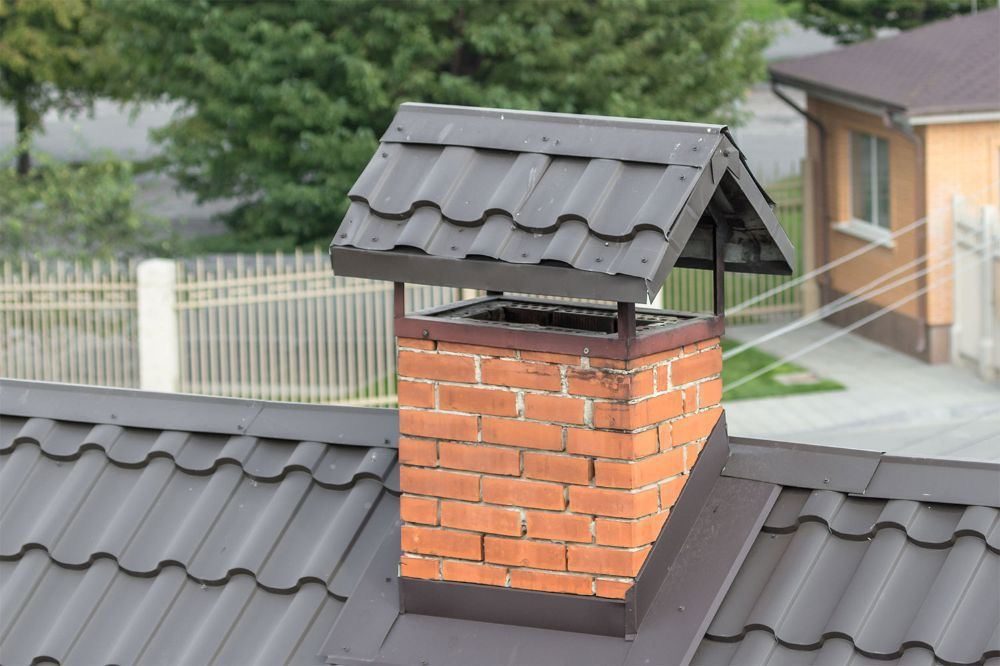
Brick and mortar make up the visible chimney stack, but they are not a single waterproof block. Cracked units, missing mortar and an unsound crown can let moisture reach the structure. Water may move within materials before it becomes visible indoors. A damaged face on one side of the chimney can produce a mark that appears to be below a roof seam.
A professional may find that local repointing or brick repair is appropriate. If many areas are loose or spalling, a broader masonry discussion may be needed. The cause of repeated wetting matters. Patching a joint while water keeps entering from a broken crown can leave the homeowner with another stain after the next storm.
Look for patterns from a safe place: exterior streaks, visibly missing mortar, pieces of masonry on the ground or a cap that appears shifted. These are observations, not a complete diagnosis. Do not climb onto the roof to press a crack or inspect the high side. A safe photograph and a written description of the weather help the professional plan the visit.
Read the timeline, not only the photograph
A stain that appears immediately when rain hits the roof may point the investigation toward an exposed joint, but it does not prove one. A stain that develops hours later may reflect water traveling through material before it reaches the room. The direction of the wind, the length of the storm and earlier wet weather can change both patterns. Building materials can hold moisture, which makes the timing less direct than many people expect.
Keep a simple log: date, duration of rain, wind if you noticed it, exact location of the mark and whether the fireplace opening or hearth is damp. Photograph the same area from the same angle after each event. Tell the technician about any roof replacement, exterior painting or prior work on the chimney. If one repair improved but did not end the issue, that history may show there are two paths rather than one failed contractor.
Avoid using a hose to spray random areas from a ladder. A poorly controlled test can force water under materials in a way natural rain does not, or make several surfaces wet at once. If water testing is appropriate, it should be planned and documented by the professional doing the investigation.
Do not forget the top of the chimney
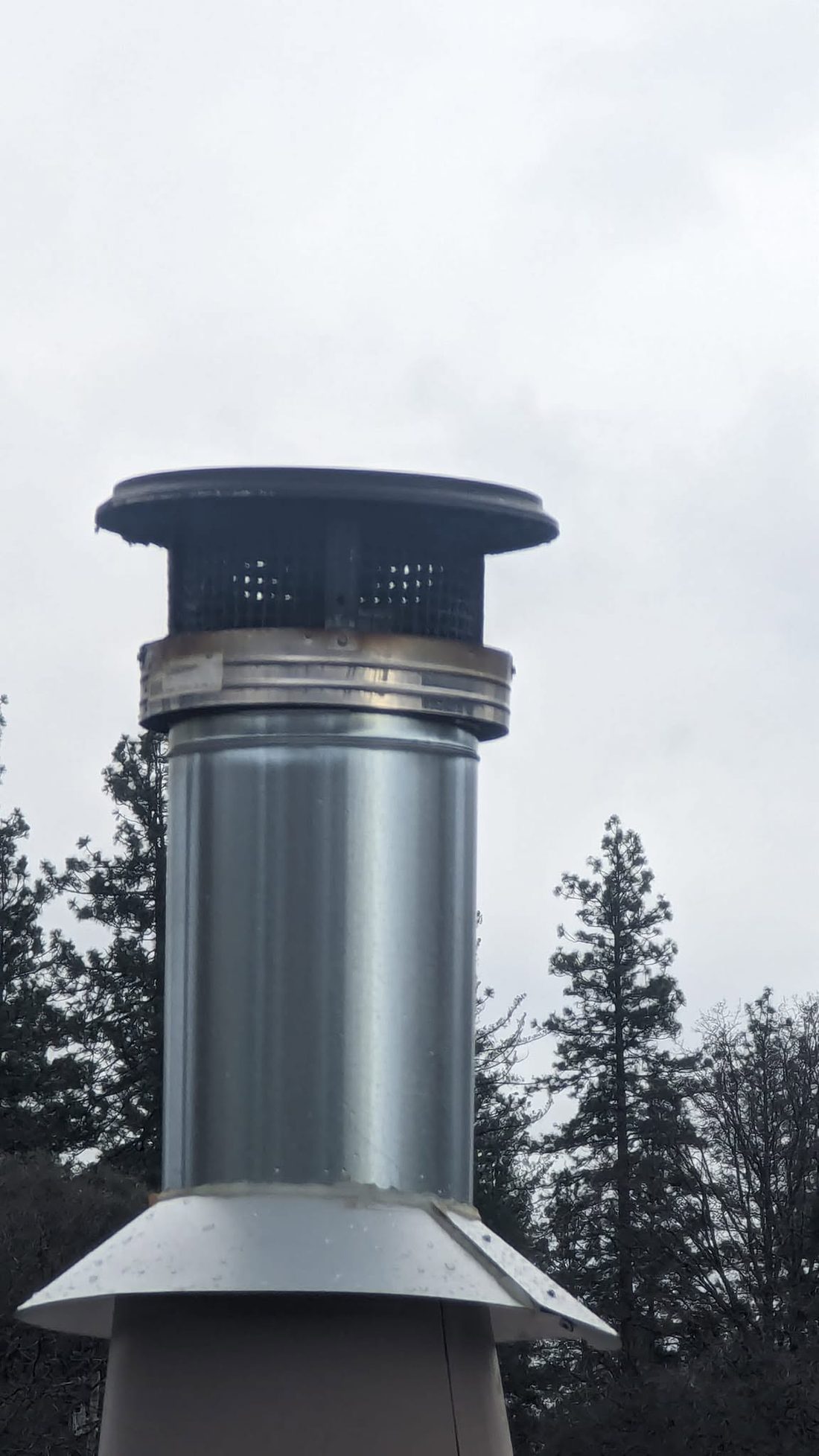
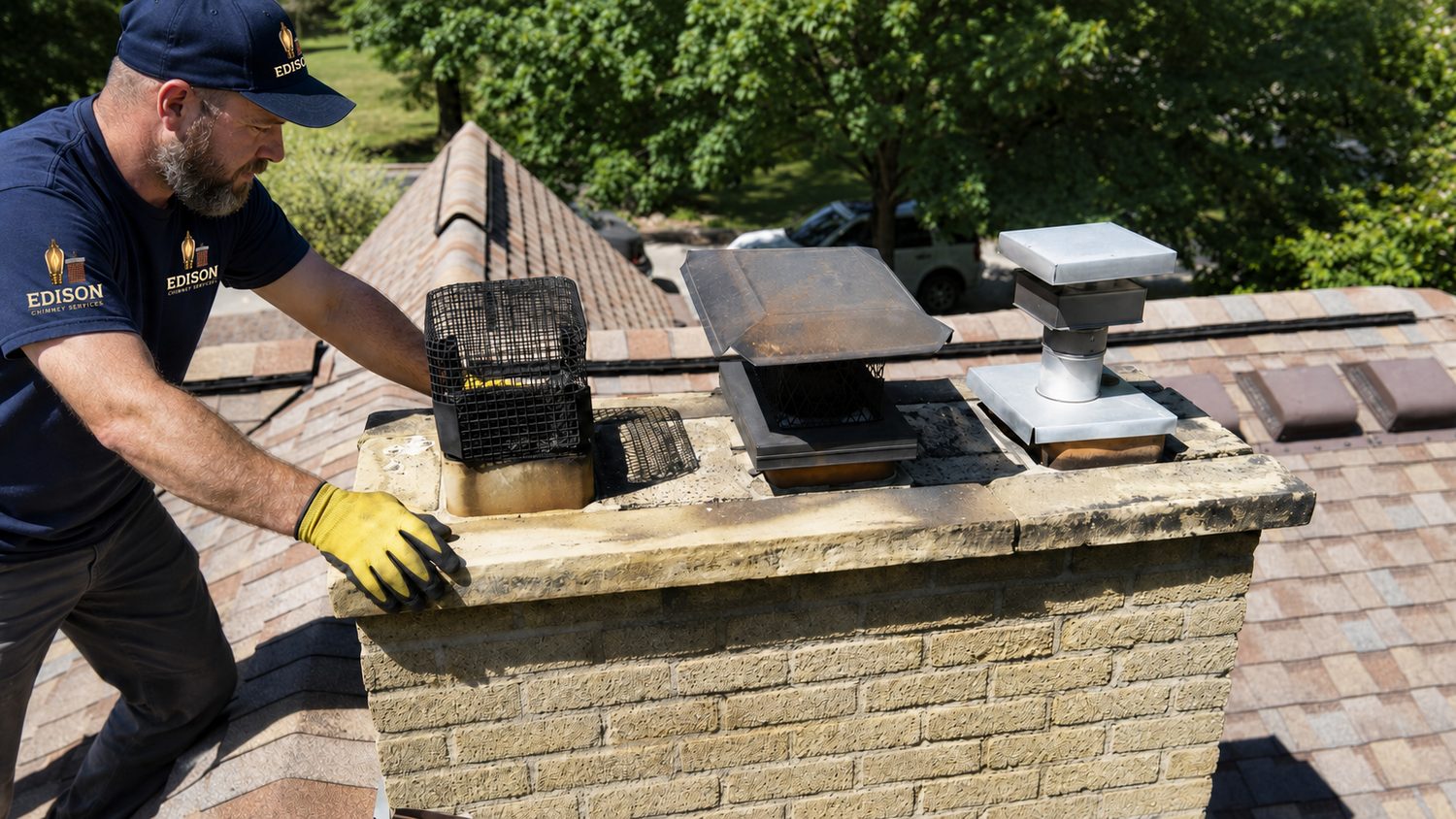
The choice is not limited to flashing versus brick. A crown at the top of a masonry chimney, a missing cap or a rusted chase cover on a factory-built system can let water in. The more complex the structure, the more important it is to avoid choosing a repair from the location of the indoor stain alone.
Ask the inspector to show what was checked. Was the crown visible and sound? Did the cap fit? Was the roof joint examined from all accessible sides? Were the masonry faces and mortar considered? If some surfaces could not be reached safely, ask what remains unknown. A credible finding can include a degree of uncertainty rather than a falsely confident answer.
Chimney leak repair should connect the most likely path with the proposed work. A recommendation can involve more than one component, but it should say why. If the estimate includes waterproofing, ask what underlying defects will be repaired first and where the product is appropriate.
Compare scopes instead of only comparing prices
Two quotes may look wildly different because they address different things. One may include a localized metal repair, another may replace a broader flashing assembly, and a third may add masonry or crown work. Ask each contractor to mark the affected area on a photo and write what is included. If there is a coordination issue with the roofer, settle it before work starts.
A clear proposal should identify materials, access assumptions, what happens to adjacent roofing, and whether a follow-up visit is part of the plan. It should also avoid promising that every leak anywhere near the chimney is fixed by one repair. If the contractor found two credible defects, ask how they would sequence the work and what result to watch after the next comparable rain.
Documentation helps if the stain returns. Keep dates, photographs and invoices together. A persistent leak may need another look under different weather conditions, and a clear record is far better than relying on memory.
A leak map you can make indoors
Draw a rough outline of the fireplace wall on a piece of paper. Mark the top of the stain, the edge it reaches after heavy rain and any point where water actually drips. Add dates beside each observation. If the mark expands only during storms with wind from one direction, write that down. Your sketch is not a roof plan; it simply prevents a moving stain from becoming a vague memory.
A technician can compare that map with the roof slope and chimney faces. The location may suggest which exterior surfaces deserve attention first, but the path must still be checked. If a ceiling was repainted between events, photographs may show a change the fresh paint hides. This little record can also make two contractor opinions easier to compare: each can explain whether its proposed work fits the same observed pattern.
How roof work and chimney masonry can overlap
A roof contractor may find loose material at the joint where shingles or other roof covering meet the chimney. A chimney technician may find a weak mortar joint directly above it. Neither finding automatically cancels the other. Ask each professional to mark the exact location in a photograph and explain where their work begins and ends. If one recommendation depends on work by the other trade, put the order of operations in writing before anyone starts.
For example, a proposal to reset flashing around a deteriorating section of masonry may depend on repairing the brickwork first. A proposal to coat the chimney wall may leave the flashing joint untouched. Compare the two plans against the history of the leak: which rain events produced water, where did it appear, and did the stain change after earlier work? The goal is to establish a plausible route and a measurable result, rather than accepting a broad promise to “seal the chimney.” After repairs, keep watching through ordinary weather and report any recurring mark promptly with the date and photograph.
A practical next step
If you notice an active leak near electrical equipment or major ceiling damage, handle that immediate safety issue promptly. For a chimney-area stain, note the weather and photograph the interior from a safe place. Ask for an investigation that considers flashing, masonry, the crown and the top rather than selecting one component from a picture.
The goal is a repair that follows the evidence. Edison Chimney Services can discuss the symptoms and inspect the chimney components within the scope of the job, coordinating with roofing work when needed. Call 954-408-2734 or send the details and ZIP code through the form.
This guide is general information for South Florida homeowners, not a diagnosis of your specific system. If a fireplace shows smoke indoors, an unusual odour or any sign of unsafe operation, stop using it and request an assessment.