Rain & Leaks
Rust on a Chimney Chase Cover: What It Can Tell You

Rust stains around a framed chimney can point to a cover problem. Learn what a chase cover does and why fit and drainage matter.
A metal top is not the same as a masonry crown
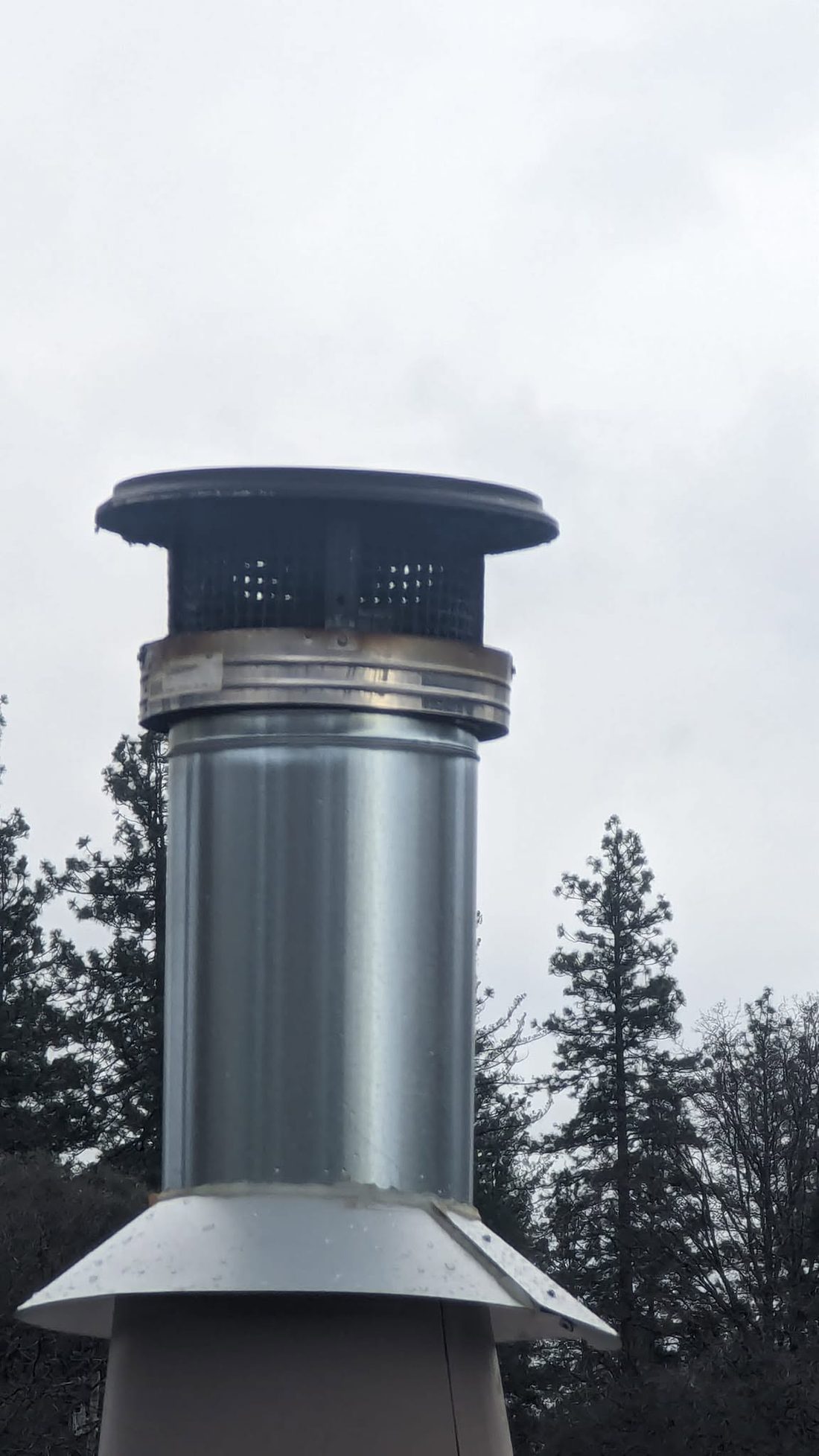
Some homes have a framed chimney chase surrounding a factory-built fireplace or vent. The metal cover across the top is often called a chase cover. It is not the same component as the crown on a masonry chimney, and it is not simply a decorative lid. It helps direct rain away from the enclosure and the vent opening.
If you see orange or brown streaks running down the chase, a rusted cover is one possible cause. The streak is a useful clue, but it does not show the condition of the vent, siding or roof connection. A cover can look corroded without being the source of an indoor leak; a poorly fitted cover can let water in before it develops dramatic visible rust.
In South Florida, the cover faces heavy rain and long periods of humidity. Near the coast, metal exposure may be more demanding. The right response is to inspect the actual assembly rather than assume every rust stain requires the same replacement. Chase cover replacement should address fit, material, water shedding and the condition of the structure below.
What to look for from a safe place
Stand on the ground and take a photograph if you can see the chase top. Note rust streaks, a visibly sagging metal surface, loose edges, damage after wind or staining on the chase walls. Inside, look for water marks near the fireplace, damp material or a recurring odor after rain. Record when each symptom appears. Do not lean from an upstairs window or climb onto a roof to inspect the cover.
A sagging top can allow water to collect instead of moving toward an edge. A failed seal at a collar can leave another path. Loose siding or the joint where chase and roof meet can also matter. A technician should consider these possibilities together. The interior symptom may occur some distance from the actual entry point.
An older photo from a home listing or prior service visit can be useful. It may show whether the cover changed shape or color. It will not prove that the flue below is safe to use, but it gives the inspector a comparison.
The cover needs a sensible water path
A cover should fit the chase and shed water away from vulnerable surfaces. The shape of the top, how it meets the vent pipe, how its edges are formed and how it is secured all affect that job. A flat piece of sheet metal that rests on an uneven frame may not behave like a properly designed replacement.
Ask for a description of the proposed cover, not just a material name. Does it cover the whole opening? How are the edges formed? What happens to water at the perimeter? How is the vent termination treated? Is the underlying framing sound enough for a new cover? An installer should be able to answer in plain language and show how the part relates to your particular chase.
A factory-built vent may require specific listed parts. A new cover does not authorize changing the termination or clearances by guesswork. The manufacturer's information for the fireplace and vent matters. If the label or manual is available, keep it with the service record.
Material choice includes the small parts
Stainless steel and other metal options are often discussed for chase covers. The main sheet matters, but fasteners, collars, joints and compatibility with nearby metals matter too. An attractive new cover can still fail if it was poorly fitted or attached to a deteriorated base. Ask which metal and hardware will be used and whether the quote includes any work below the top.
A coastal property is a reason to ask about corrosion resistance. It is not a reason to accept an unsupported claim that one material will last forever. Exposure, installation and maintenance all affect performance. A written proposal should tell you what you are buying and what remains outside the scope.
If a cover has already leaked, the interior of the chase may need evaluation before it is closed again. Wet or damaged material does not become sound just because a new top is installed. Ask what was observed below the old cover and whether further inspection is needed.
Rust on the exterior versus a leak inside
Rust streaks show that metal is corroding or that rusty water has passed over a surface. They do not, by themselves, tell you whether water has entered the living space. Likewise, a ceiling stain can occur without obvious exterior rust. Separate the observations and ask how the proposed repair addresses each one.
Chimney leak repair may require looking at the chase cover, siding, roof flashing and nearby roofing. If the cover is obviously failed, replacing it can be reasonable, but the estimate should explain why the other visible pathways are or are not involved. When a roof trade must address adjacent material, agree on who handles that part before the job starts.
Take photographs during comparable rain events after work is done. A dry week does not test a repair that showed symptoms only in wind-driven storms. Keeping the timing and images together makes a later conversation much more specific.
Is the fireplace itself affected?
Water entering a chase can reach parts you cannot see from the room. It may affect surrounding material or the vent assembly. Do not assume a clean glass front means the whole fireplace is ready for use. If you have a history of leaks, ask whether the fireplace and vent need inspection before the next cool evening.
A professional should distinguish between making the exterior watertight and evaluating the appliance. They may be related tasks, but one does not automatically complete the other. If the company proposes only an exterior cover, ask what has and has not been checked inside. If the unit is gas, follow its manufacturer's instructions and use qualified service for the appliance.
This distinction also helps with property records. A future owner or manager should know what cover was changed and whether an appliance evaluation was recommended. Keep the model, photographs and invoice in one place.
Distinguish a surface stain from failing metal
A rust streak can remain on painted chase siding long after the original cover has been replaced. Look for whether it grows after new rain, whether the top still holds water and whether fresh staining appears below a seam. A professional may photograph the cover and collar up close to distinguish old discoloration from active corrosion. Cleaning the streak may improve appearance, but it should follow an understanding of whether the metal is still deteriorating.
If the chase is already wet inside, ask what material may need to dry, be repaired or be inspected before a new cover conceals the opening. This is especially important if the fireplace has been left unused because of a leak. Exterior work and appliance readiness are separate conclusions. Keep the unit off if water has reached components whose condition is unknown.
Pay attention to the collar and the edge
A chase cover has openings for the vent or flue to pass through. The metal around those openings and the perimeter of the cover deserve attention along with the broad flat surface. A replacement that looks attractive in a photo can still leave an exposed joint if the collar, storm detail or attachment is poorly matched to the system. Ask how rain is directed away from each penetration and over the outer edge.
In a coastal neighborhood, discuss the whole assembly when choosing a material. The cover sheet, fasteners, seams and surrounding metal may have different resistance to weather. A durable sheet with failing small components will not perform as intended. Also ask whether a visible rust stain will be cleaned and whether that cosmetic work is included in the quote. These details help you compare a complete water-management repair with a quick replacement of only the most obvious panel. Save close-up photographs taken before the new cover hides the top of the chase.
Questions to ask before approving the work
What failed on the existing cover? Is water standing on it? Are the collar and edges sound? Will the replacement be made for this chase rather than selected by rough visual size? What material and fasteners are proposed? Will the condition below the cover be documented? Is any siding or roof work excluded? Will the original vent termination remain compatible?
These questions reveal the scope behind the price. Access to the roof, chase size, number of vents and hidden damage can change the work. A contractor cannot responsibly promise the same solution for every rusted chase over the phone. Ask for a clear description and images where safe to obtain.
The simplest useful takeaway is this: rust deserves investigation, not automatic panic and not a quick cosmetic coat of paint. A properly chosen cover addresses the top; any related water or appliance problem still needs its own evaluation. Edison Chimney Services can discuss your symptoms at 954-408-2734 or through the form.
This guide is general information for South Florida homeowners, not a diagnosis of your specific system. If a fireplace shows smoke indoors, an unusual odour or any sign of unsafe operation, stop using it and request an assessment.