Gas & Wood Fireplaces
Gas Logs, a Gas Fireplace or a Wood Fire: What Changes in Care?

The flame may look similar from the sofa, but these systems operate differently. Learn what to identify before arranging service or choosing a change.
Name the system before choosing the service
“Fireplace” describes what a room looks like; it does not fully describe the equipment behind the opening. One home may have a masonry wood-burning fireplace. Another may have gas logs placed in a fireplace that originally burned wood. A third may have a factory-built gas appliance with a sealed glass front and a dedicated vent. These systems do not have identical maintenance needs or interchangeable parts.
This difference matters when you call for help. A service company needs to know what fuels the unit, whether it has a manual and whether it is part of a masonry chimney or a factory-built venting system. If you are unsure, say so. A safe photo of the room, the front of the unit and a visible model label can be more useful than guessing a category.
Fireplace repair begins with identifying the system. A technician cannot choose a suitable component, cleaning method or vent assessment from a picture of a flame alone. The information below is a guide to better questions, not a substitute for the appliance's instructions.
A wood-burning fireplace
A traditional wood-burning fire sends combustion products through a suitable chimney. The firebox, damper, flue and exterior top each play a part. Cleaning may remove soot and creosote deposits, while an inspection addresses condition, blockage, water damage and other concerns. A clean-looking hearth says little about the full vent route.
The wood itself matters. The U.S. Environmental Protection Agency recommends dry, seasoned wood because wet fuel can make more smoke. Do not burn trash, painted or treated material, or packaging to “clean” a flue. If smoke enters the room, stop using the fireplace and have the cause assessed. A draft complaint can involve the chimney, fire conditions or air movement in the house.
In South Florida, a wood fireplace may be used only occasionally. The roof, cap and masonry still see weather all year. Before the first cool-night fire after a long break, ask whether the system needs chimney inspection and cleaning rather than assuming low use means no change.
Gas logs installed in an existing fireplace
A gas log set can make an existing fireplace easier to use, but its installation and operation depend on the specific product and the fireplace that holds it. Vented and vent-free products are not the same. A homeowner should not identify the vent category solely by whether the opening has a damper or whether a sales photo shows glass doors. The manufacturer's instructions and the actual installation determine how it must be used.
Log placement can be part of the tested design. Moving logs to make a flame look more dramatic may interfere with intended combustion. Burner components, safety controls, gas connections and vent requirements call for qualified service. Gas log installation should be discussed only after the existing fireplace and product compatibility are assessed.
Ask for the model number, manual and a clear explanation of what remains from the original wood-burning system. Converting an existing opening is not merely changing the decorative object in the firebox. If the old chimney has damage, a gas log set does not erase it. If you smell natural gas, leave and call 911 and the gas utility from a safe place.
A factory-built gas fireplace
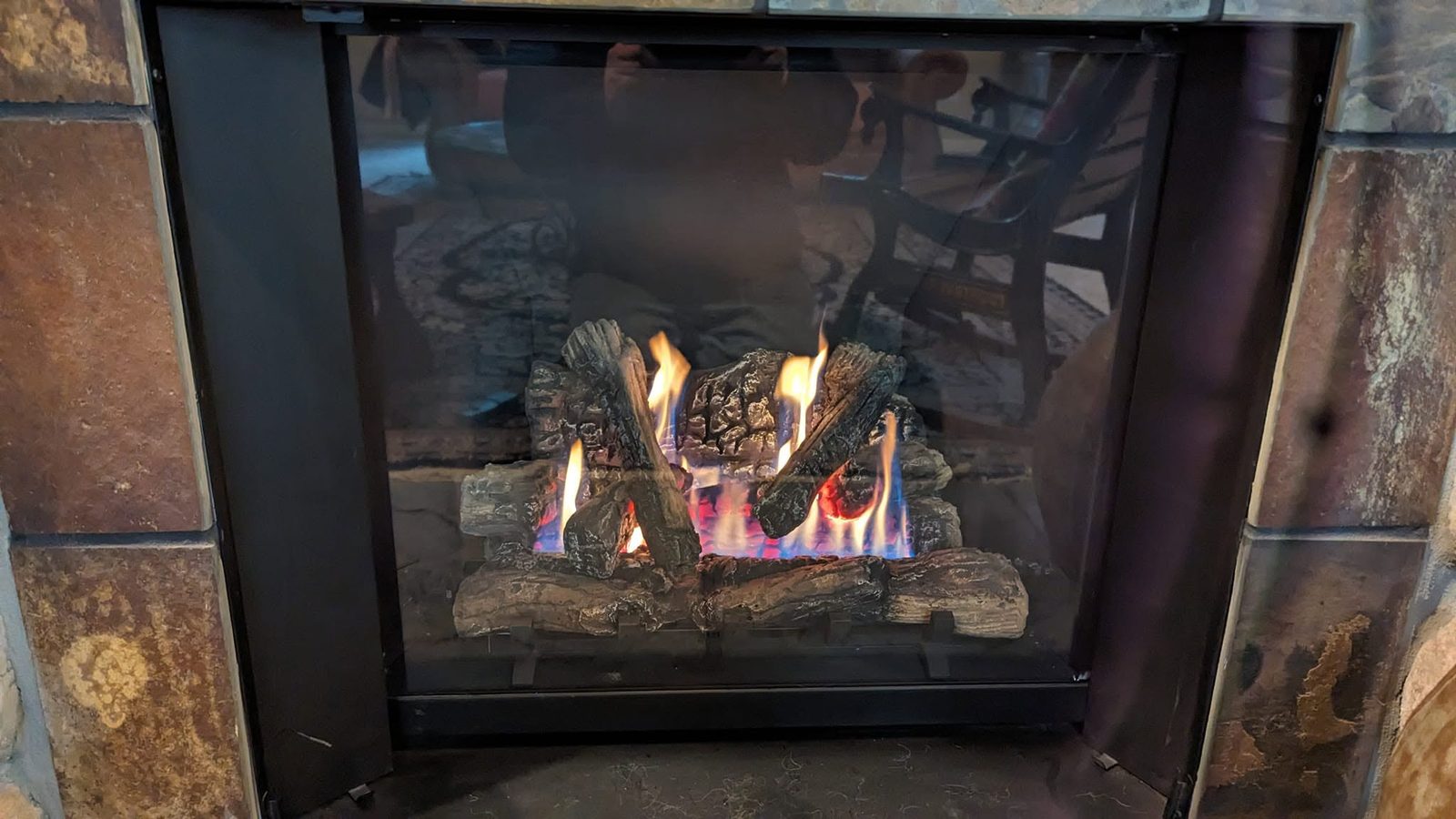
A purpose-built gas unit may have a sealed front, a specific burner and a manufacturer-designed vent. Some use outside air and a direct vent, but do not assume all gas fireplaces have the same configuration. Maintenance depends on the actual model and its manual. The vent termination outside the home, glass assembly, controls and surrounding materials may need attention even if the unit does not burn wood.
An unexplained ignition failure or persistent odor is a reason to stop using the appliance and request gas fireplace repair or inspection. Do not remove a secured glass assembly, bypass a switch or substitute parts from another model. If a component is no longer available, the professional should explain replacement options instead of improvising a part.
A factory-built fireplace can also sit within a chase exposed to South Florida rain. Exterior water management may involve a chase cover or roof detail rather than the burner. The interior and exterior problems should be separated in the estimate.
Maintenance is not one menu for all three
A wood-burning flue may need sweeping based on deposits and use. A gas appliance may need model-specific checks and cleaning. A chimney serving gas logs may still need appropriate inspection. Calling everything “fireplace cleaning” can hide these distinctions and leave the homeowner unsure what was actually done.
Ask the company to describe the scope before the appointment: What appliance will be evaluated? Which vent path? Will the visit include the top of the chimney or only the room? What will be documented? If the equipment type is uncertain, make identification part of the visit rather than booking a fixed repair by name.
A carbon monoxide alarm is relevant for fuel-burning systems. The gas has no smell. If an alarm sounds, get everyone out and follow emergency instructions. It is not enough to say the room smells normal. Maintenance and functioning alarms serve different purposes and both deserve attention.
Thinking about a conversion or new insert
A homeowner may like the simplicity of gas or the feel of a wood fire. The decision should include the existing opening, venting, fuel availability, use habits, service access and the product's instructions. A log set, gas insert and new fireplace are different projects. The most attractive catalog image is not evidence that it fits the home.
If you are considering wood-to-gas fireplace conversion, ask which parts of the old fireplace remain, who handles any gas supply work, what vent route the proposed product requires and which approvals apply to the work. Confirm the qualifications of each trade rather than assuming one crew performs every task. A written scope should distinguish equipment cost, installation, finishes and work on the existing chimney.
Replacement is not the automatic answer to every maintenance problem. An older unit may need a serviceable component; another may have no suitable parts. A clear evaluation lets you compare those possibilities.
Three questions to ask about the vent
First, where do combustion products leave this specific system? An open wood-burning fireplace and a sealed gas appliance may take different routes even if they occupy a similar-looking wall. Second, which parts are required by the manufacturer or system design? A decorative screen, log position or termination should not be changed by guesswork. Third, what was actually inspected? A clean front glass does not tell you about a vent termination, and a photographed cap does not tell you whether a burner is operating correctly.
Ask the technician to answer in terms of your appliance, not a generic “fireplace.” Keep the model and manual with the answer. If you later sell the home or arrange maintenance from another city, those details let the next person start with the right equipment. They also help avoid booking a wood-chimney cleaning for a sealed gas product or a gas-control service for a masonry damper problem.
A change of appliance can change the job
A homeowner may inherit a wood-burning fireplace and want a gas unit for easier use. Before selecting a product, ask what parts of the existing opening, chimney and vent will still be used. An insert can have its own venting requirements; a log set installed in an existing fireplace presents different questions. A photograph of a finished room is useful for choosing a look, but it cannot establish that a specific appliance is suitable for the space.
During a consultation, put the desired result into words: occasional atmosphere, a different way to heat a room, or simply a fireplace that is easier to operate. Ask what the quote includes for the appliance, venting, fuel connection, permits if applicable, surrounding finish and first-use instructions. If several trades are involved, ask who coordinates them. Keep the final make, model and manual. Future maintenance should begin with the equipment actually installed rather than the fireplace that used to occupy the opening.
What to record for the next visit
Keep the model name, serial information if safely available, fuel type, vent type if confirmed, manual and service notes in one place. Record whether a symptom happens only at startup, after rain or when another fan runs. These details can save time and help prevent a technician from arriving prepared for the wrong kind of system.
For a managed or seasonal property, share the basic operating instructions with anyone allowed to use the fireplace. Do not let a guest experiment with controls on a unit whose status is uncertain. If the property has an HOA or shared roof access, clarify permissions before exterior work is scheduled.
The right care begins with a correct name for the equipment and a willingness to say what is not yet known. Edison Chimney Services can help identify the system and discuss an appropriate service visit. Call 954-408-2734 or send your ZIP code and a short description through the form.
This guide is general information for South Florida homeowners, not a diagnosis of your specific system. If a fireplace shows smoke indoors, an unusual odour or any sign of unsafe operation, stop using it and request an assessment.