Fireplaces & Fireboxes
Assessing cracked panels in factory-built fireplaces — and replacing them only with manufacturer-approved parts.
When a prefab fireplace panel cracks, why does it matter so much that the replacement matches the manufacturer?
Factory-built (prefab) fireplaces line the firebox with refractory panels — the light, brick-like panels that take the heat of the fire. They crack over time from thermal cycling and impact, and when they do, they need replacing. The critical detail is that these panels are engineered for one specific model. A panel that merely fits is not the same as the panel the manufacturer approved for that unit.
Matching the manufacturer is a safety requirement, not a preference. Prefab fireplaces are listed as complete assemblies, and using unapproved parts can fall outside that listing — which is why we treat panel replacement as a model-specific job.
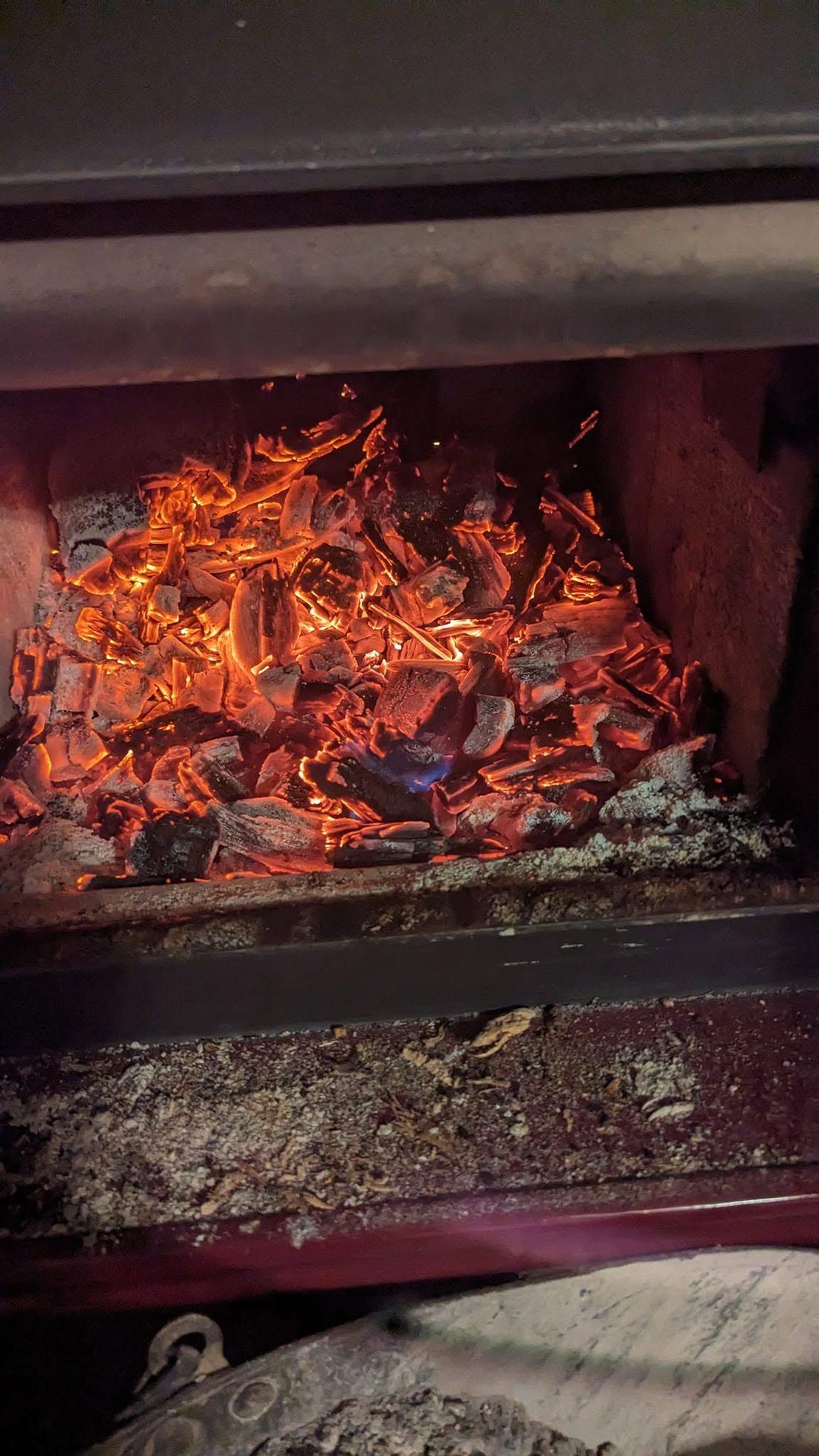
Panels line the back and sides of a prefab firebox and reflect and withstand the fire’s heat, protecting the metal firebox behind them. Fine surface lines can appear with normal use, but cracks that widen, panels that crumble, or gaps that expose what is behind them are signs the panels have reached the point of replacement.
An assessment distinguishes normal aging from damage that warrants new panels, so you are not replacing panels unnecessarily or ignoring ones that need it.
A prefab fireplace is tested and listed as a specific assembly of specific parts. The refractory panels are part of that design. Substituting a generic or ill-fitting panel can change how the unit performs and can take it outside the terms of its listing. The correct approach is to identify the make and model and fit the panels the manufacturer specifies for it.
This is the same logic that governs prefab fireplace repair generally: the unit’s design decides the parts, not what happens to be on the shelf.
Sometimes cracked panels are simply due for replacement and the unit has plenty of life left. Other times, panels are hard to source because the unit is old or discontinued, and that raises an honest question about the unit’s remaining service life. We’ll tell you when a panel replacement is straightforward and when it is worth discussing the unit’s future — including replacement — rather than repeatedly chasing parts.
Refractory panels commonly develop fine surface lines, and not every line is a reason to replace them. The signs that actually matter are cracks wide enough to hold a coin’s edge, panels that are crumbling or flaking, and any gap that exposes the metal firebox behind the panel. Distinguishing a cosmetic hairline from structural damage is what keeps you from replacing panels too soon — or using a unit whose panels are genuinely done.
Because the panels protect the metal firebox from the fire’s heat, the exposure test is the important one: if the metal behind them is showing, the panels are no longer doing their job.
We don’t quote prices online because the right scope depends on the system. These are the factors that usually move an estimate:
If refractory panels are badly cracked, crumbling, or exposing the metal firebox behind them, stop using the fireplace until they are replaced with approved parts.
Before replacing panels, gather:
No. Prefab units are listed with specific approved panels. A panel that fits but isn’t manufacturer-approved can put the unit outside its listing, which is a safety concern.
Fine surface lines can be normal, but widening cracks, crumbling, or gaps exposing the metal behind the panels indicate replacement. An assessment confirms it.
That can happen with older or discontinued units. We’ll tell you honestly, and discuss whether continued repair or replacing the unit makes more sense.
Talk to a technician
You don’t need to know the name of every chimney part. Tell us what you notice, whether the system burns wood or gas, and your ZIP code. If a system shows signs it may be unsafe to use, stop using it until it has been evaluated.
Available 24/7 954-408-2734
