Fireplaces & Fireboxes
Servicing the fireplace and the chimney as one system — because how a wood fire behaves depends on both.
Why does servicing a wood-burning fireplace mean looking at the chimney too, not just the firebox?
A wood fire is a system, not just a firebox. How well it lights, burns and clears smoke depends on the firebox, the damper, the flue, the cap and the draft all working together. Servicing only the part you can see — the firebox — misses the parts that most often cause real complaints, like a smoky start-up or a fire that never draws well.
So wood-burning fireplace service treats the fireplace and chimney as one unit. That is also the honest way to answer the season’s most common question in South Florida: is this fireplace, which has sat unused for months, ready for its first fire?
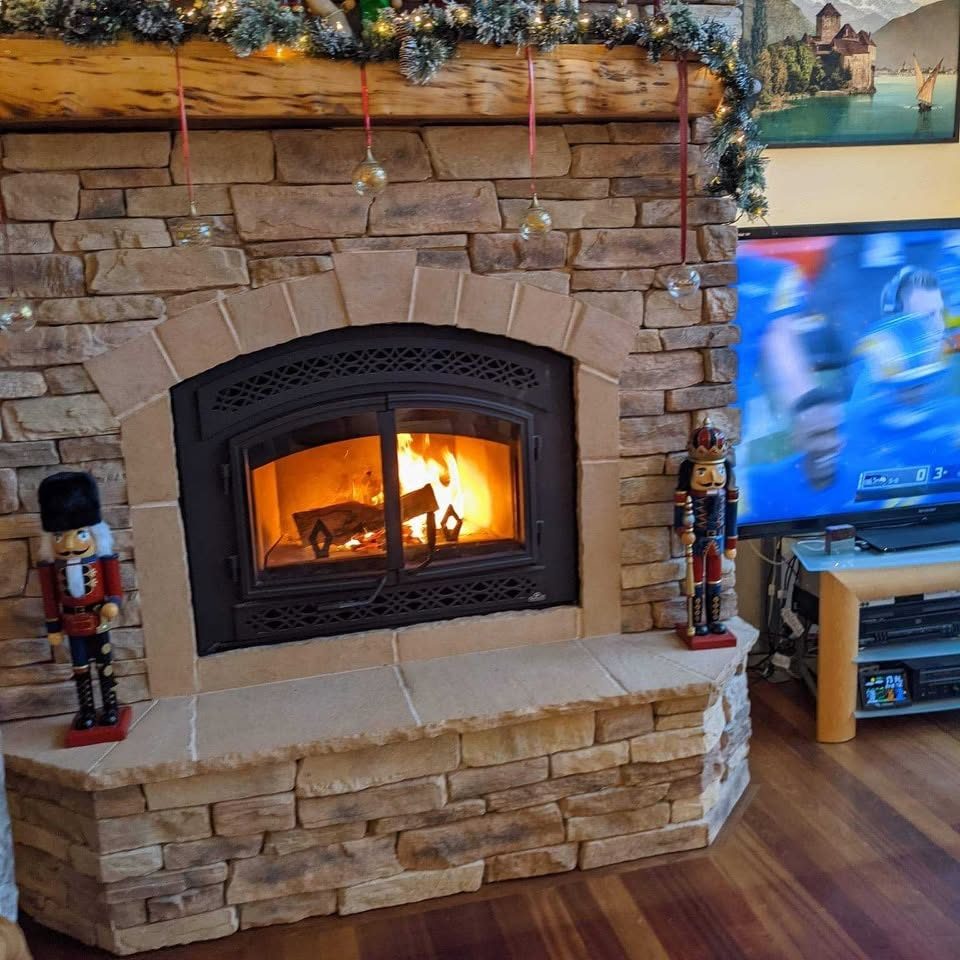
A thorough service looks at the firebox for cracked firebrick or open joints, the damper for movement and seal, and the flue for buildup and blockage that a sweep would clear. It considers the cap and the draft, because a fireplace that smokes is often telling you about the chimney rather than the firebox.
Pairing service with a Level 1 inspection confirms the accessible parts are in the condition you expect before you rely on the fireplace.
Many wood fireplaces here are used a handful of evenings a year and sit idle through a long, humid summer. That pattern brings its own issues: moisture, debris, animal entry and odours that develop while nobody is watching. Service before the first cool night catches those, so the first fire of the season is a pleasant one rather than a smoky surprise.
It is far easier to check and clear a fireplace before you light it than to troubleshoot a room full of smoke afterward.
Sometimes service reveals a problem that routine maintenance cannot solve — a draft issue with several possible causes, a damaged liner, or masonry that needs repair. We separate maintenance from repair clearly, so you know what a service visit fixed and what needs a further, specific piece of work.
In a climate where a fireplace may sit unused for most of the year, the first fire of the season is effectively a test of everything at once: whether the flue is clear, whether the damper moves, whether anything has moved in, and whether the draft still works. Running that test as a controlled service visit — rather than discovering the answers with a room full of smoke — is the whole argument for pre-season service.
It is a small, low-drama way to avoid the two classic first-fire surprises: a smoky room and a musty smell that turns out to be a nest or a leak nobody checked for.
We don’t quote prices online because the right scope depends on the system. These are the factors that usually move an estimate:
If the fireplace smokes into the room, has a damper that will not open, or shows firebox damage, stop and have it assessed before the next fire.
Before the season’s first fire, note:
A look at the firebox, damper, flue and draft as a system, usually alongside a sweep and a basic inspection — so the fireplace is clean, clear and confirmed ready to use.
Yes. Idle fireplaces gather moisture, debris and sometimes animals. A service before the first fire is the most useful timing in our climate.
Often a draft or blockage issue rather than the firebox. Servicing the whole system — and draft troubleshooting if needed — finds the real cause.
Talk to a technician
You don’t need to know the name of every chimney part. Tell us what you notice, whether the system burns wood or gas, and your ZIP code. If a system shows signs it may be unsafe to use, stop using it until it has been evaluated.
Available 24/7 954-408-2734
